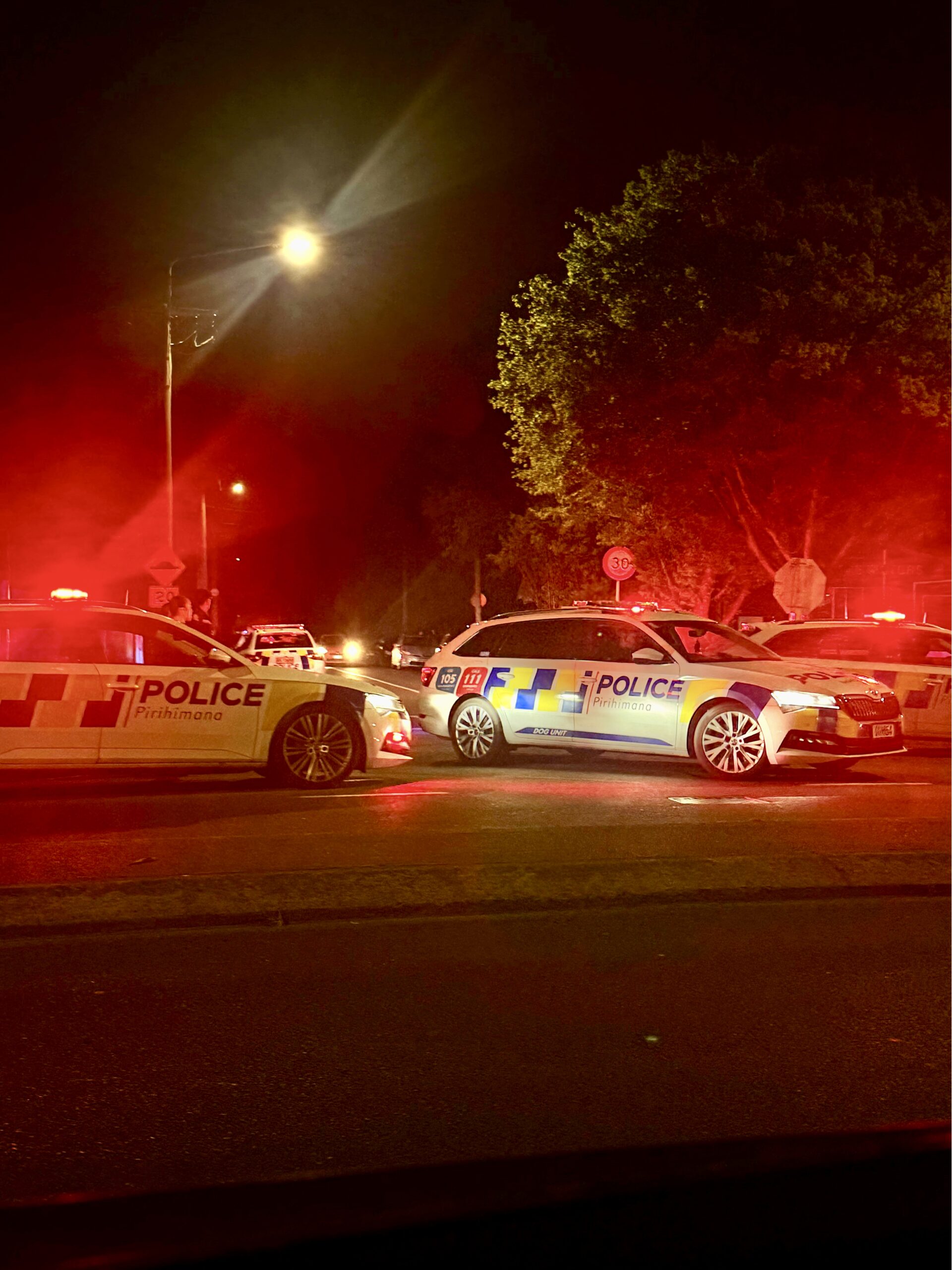
Escaped youth tracked by Eagle helicopter, found hiding in New Brighton
The young person who escaped from a youth justice facility in Rolleston has been located...


The young person who escaped from a youth justice facility in Rolleston has been located...

A person has been seriously injured on State Highway 75, Christchurch Akaroa Road. A police...

BodyFix Gym Christchurch in Phillipstown has taken out two major honours at the Exercise New...

Local MPs have found areas of agreement on major Resource Management Act reforms, during a...

A series of public events have been organised across Christchurch and Lyttelton over the coming...

A woman was taken to hospital after a ‘water incident’ at Parakiore Recreation and Sport...

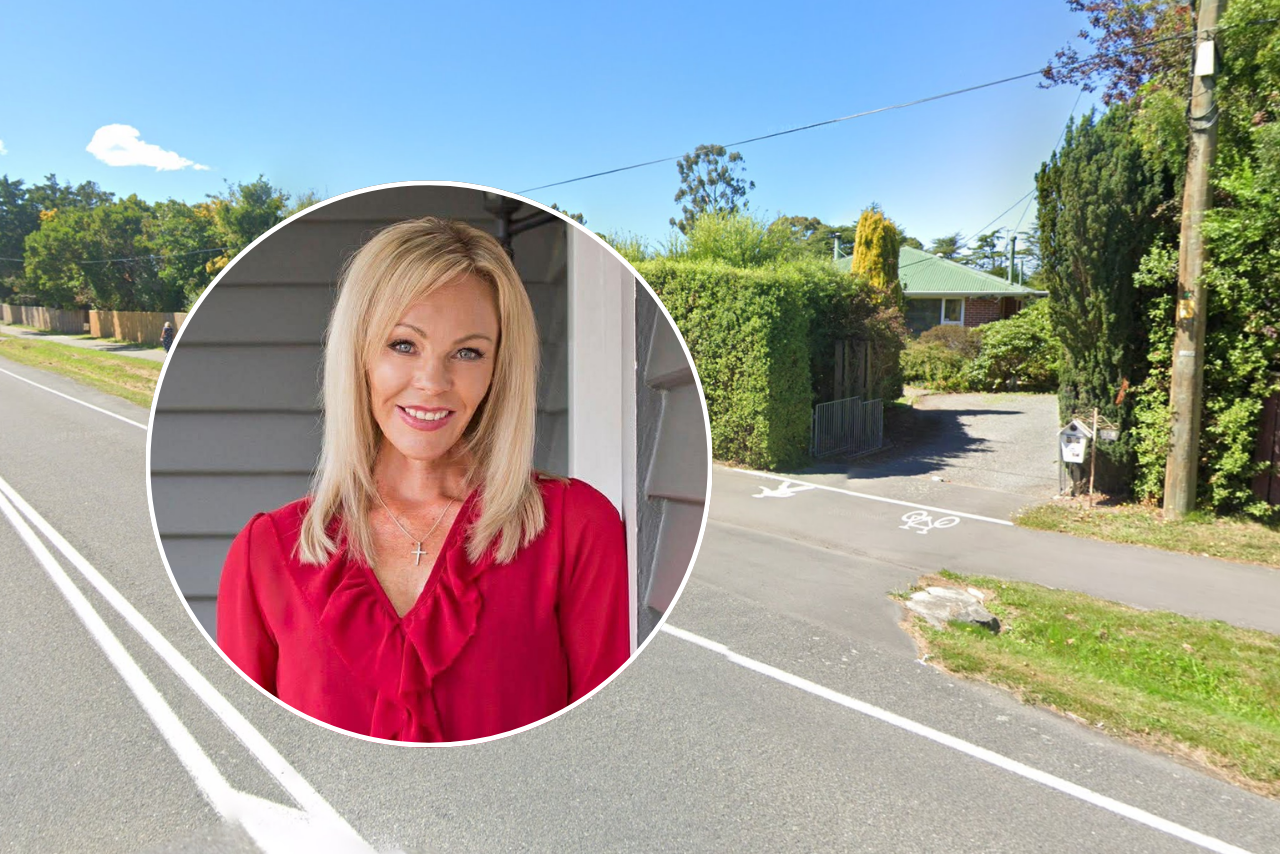
A Christchurch man whose wife was left with a string of serious injuries after being hit by a cyclist on a shared pathway is calling on the city council to rein in dual use paths, saying cyclists need more awareness of pedestrians and consequences when things go wrong.
Mike Fitzgerald’s wife Sally, a real estate agent, was knocked down on 4 November last year as she stepped out of a property she was selling on Wooldridge Road in Harewood.
The road, which Fitzgerald says used to be a rural road, runs alongside a hockey ground and a park, with a footpath now used by both pedestrians and cyclists.
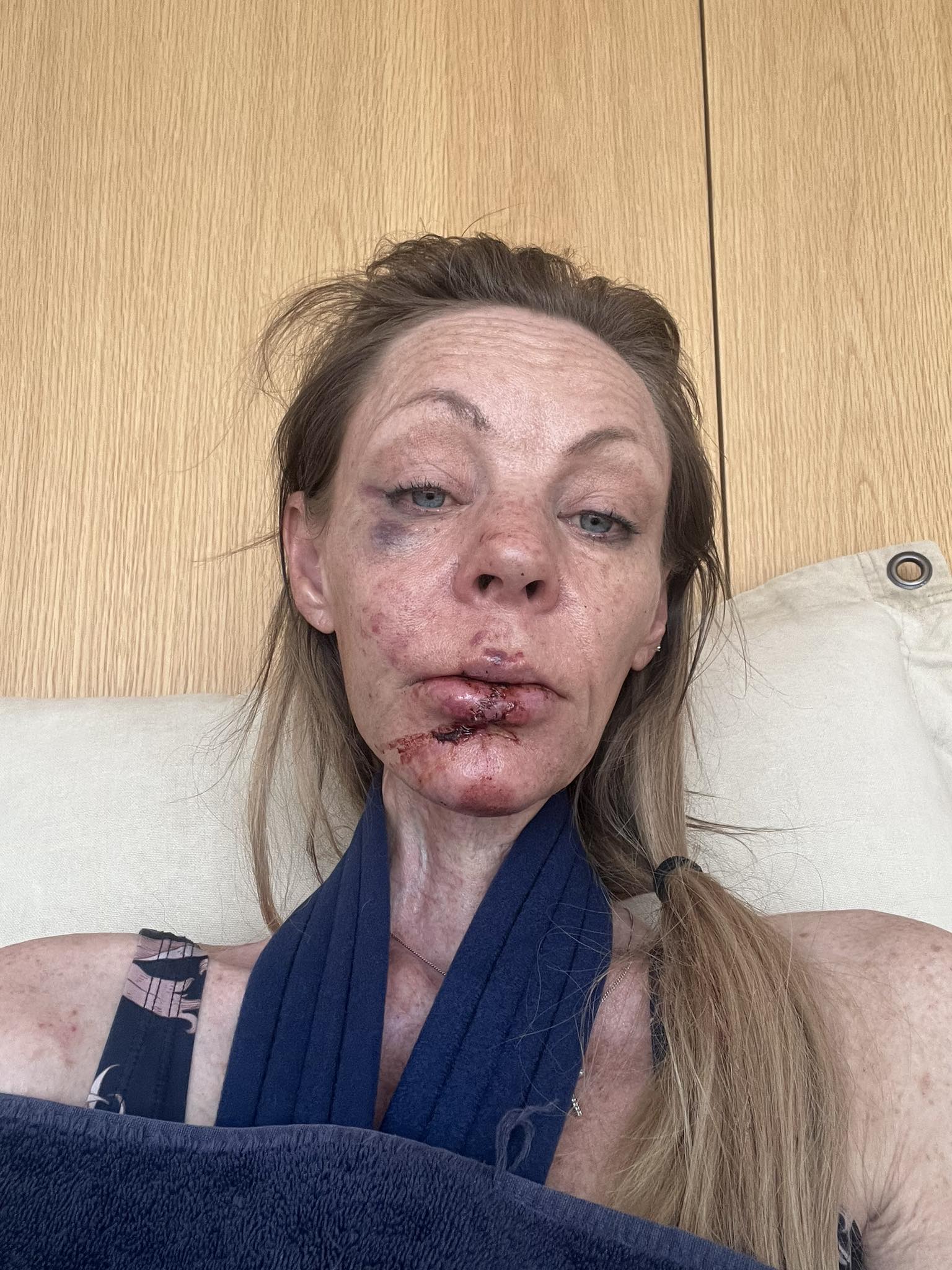
Sally suffered concussion, broken nose, chipped teeth, 14 stitches to her lip. She had a cut lip, black eyes, broken rib, broken shoulder, broken elbow
“She came out of that property and basically just got mowed down,” Fitzgerald said. “The property itself has substantial plantings on the boundary and alongside the drive, so there’s no real visibility.
She couldn’t see him, he couldn’t see her, and he was travelling at speed, a reasonable speed I’d imagine, because he did a fair bit of damage, even to himself.”
He acknowledged the council put up warning signs at each end of the path flagging driveways, but said they did little to prevent the crash.
The injuries Sally sustained were extensive.
“She had a concussion, a broken nose, chipped teeth, 14 stitches to her lip. She had a pretty badly cut lip, black eyes, broken rib, broken shoulder, broken elbow, and just a lot of bruising and skinned knees and stuff like that.”
Six months on, Sally is still working her way back, undergoing ongoing physiotherapy alongside Pilates sessions designed to rebuild strength on her right side.
“She’s only just in the last couple of weeks been able to sort of sign her name with her right hand again, because she’s got nerve damage and a lot of lack of feeling and no real strength in her right arm,” Fitzgerald said.
Despite the severity of Sally’s injuries, the cyclist who hit her has never faced any repercussions. The police were not notified, and Fitzgerald said the rider never reached out.
“He’s never even made any attempt to contact Sally, I don’t think. Her name was on the signboard outside this house, so he probably knows who she is, but no, he’s never said anything.”

Sally Fitzgerald
After Fitzgerald posted publicly about the crash, another woman got in touch to say she had been raising similar concerns with land transport authorities.
He said she was told there is a rule giving pedestrians priority on shared pathways, something he doubts most cyclists or pedestrians are aware of.
Under the Land Transport (Road User) Rule 2004, a person using a wheeled recreational device on a footpath must give way to pedestrians and drivers of mobility devices.
“Most people wouldn’t know that,” Fitzgerald said. “If a few more cyclists were held accountable, and there’s a bit more awareness about the fact that they could actually be fined or prosecuted or whatever, maybe there might be a bit of a behavioural change.”
The crash has also prompted Fitzgerald, who lives on Mount Pleasant, to take a closer look at how shared pathways are designed across Christchurch.
He points to the main road through Redcliffs, on the regular run out to Sumner, as a particular example of what he sees as overkill.
“It’s got a painted cycle lane on both sides of the road. And then on the left hand side, as you’re going out, there’s a dual use pathway there as well. It just seems ridiculous that they’ve got so much for cyclists that perhaps isn’t quite necessary.”
He said the risk is sharpest outside private properties.
“A lot of them have high fences and stuff. Perhaps not so much of a problem if you are the resident there, because you’re going to be aware of it. But if someone is coming to visit you, or for whatever reason they’re coming out of your property, they’re not necessarily going to know what they’re stepping out onto.”
Fitzgerald is careful to acknowledge the benefits of off road routes, particularly for families.
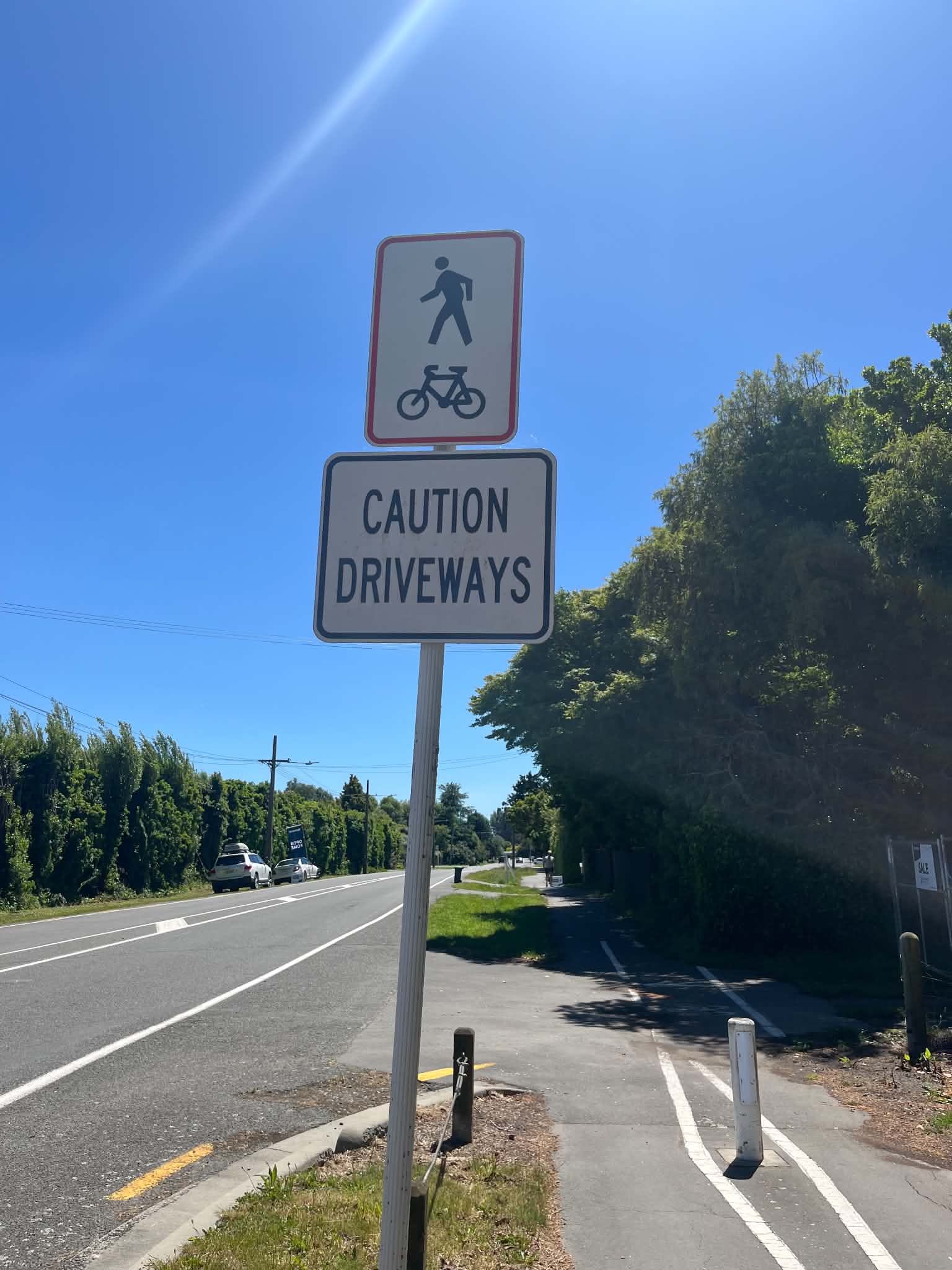
Sign on Wooldridge Road
“I can understand the benefit to people using that particular pathway, because it’s out to Redcliffs and Sumner, and it’s a pretty well used area, and it’s great for people to be able to take their kids, trailers on bikes, off the road as well.”
But his broader concern is that cycling culture in parts of Christchurch has tipped into overconfidence, with riders running red lights and travelling at speed in places where pedestrians are sharing the same space.
He is not asking the council to scrap shared pathways altogether, but he wants planners to stop layering cycle lanes on top of dual use paths, and to think harder about what happens at every driveway in between.
“I think there needs to be more awareness from cyclists, and probably needs to be some more consequences.”
Harewood Councillor Aaron Keown said the incident highlighted a wider issue with how shared paths are used.
“It is an absolute tragedy what has happened to Sally Fitzgerald as a pedestrian should be able to use a footpath safely at all times,” Keown said.
I am a fan of shared paths in the right places and for the right people. Obviously the priority goes to the pedestrian and then cyclists can legally use these paths with care.
“If you are a competent cyclist who gets along at pace then just use the road but if you are not very confident or are a small child then yes these paths are very helpful.”
Keown said “I do feel strongly that all cyclists that use a shared path should use a bell and give plenty of warning, it’s just courtesy.
“If you are on any path and there are pedestrians use a bell and the same goes for approaching blind corners or driveways like the one on Wooldridge Road, use a bell. I use a bell and I often get a polite ‘thank you’ back from other path users. Personally I think a bell law would be more beneficial than a helmet law.”
Christchurch City Council transport operations manager Kathy Graham said the council was aware that concerns about shared pathways were occasionally raised through customer service channels, but said identifying all reports relating to cyclist and pedestrian interactions over the past two years would require a substantial manual review across multiple systems.
“Near miss reporting also relies on members of the public choosing to report incidents to the Council, meaning not all events or concerns will necessarily be captured in the Council records,” Graham said.
She said under reporting of walking and cycling incidents in official crash datasets was an ongoing issue, also identified in transport safety research elsewhere in New Zealand.
The council does not have a specific policy prescribing when and where shared paths are installed alongside roads that already have painted cycle lanes.
Graham said decisions were made on a case by case basis, taking into account factors including the types of users expected, traffic volumes, vehicle speeds, surrounding land use, and the number and type of potential conflict points.
“The aim is to provide a safe and appropriate environment for all users of the transport network which can range from families with young children, less confident riders, through to cyclists who are comfortable and experienced in traffic,” she said.
Graham said visibility and safety at driveways were considered as part of the design process, and that property owners also carried responsibilities relating to vegetation and fencing adjacent to the transport corridor.
She said the council encouraged all shared path users to keep left unless passing, sound a warning before approaching, and move off the path when stopped, and that signs and markings encouraging these behaviours had been installed on many shared paths.
“The Council regularly runs education and awareness activity on these issues. This has taken the form of social media messaging, videos, skills training through the Cycle Safe in schools programme and adult bike skills training,” Graham said.
“These activities are usually most effective when targeted at particular locations rather than the wider universal approach, however we are currently looking into resurrecting one of our previous educational videos about general behaviours to raise more awareness.”
In locations with particularly high numbers of people walking, cycling and scooting, or where higher cycling speeds were expected, Graham said the council may instead provide separated facilities, such as along Rolleston Avenue.
Christchurch Cycling advocacy group SPOKES did not respond for a request for comment.