Escaped youth tracked by Eagle helicopter, found hiding in New Brighton
The young person who escaped from a youth justice facility in Rolleston has been located...


The young person who escaped from a youth justice facility in Rolleston has been located...

A person has been seriously injured on State Highway 75, Christchurch Akaroa Road. A police...

BodyFix Gym Christchurch in Phillipstown has taken out two major honours at the Exercise New...

Local MPs have found areas of agreement on major Resource Management Act reforms, during a...

A series of public events have been organised across Christchurch and Lyttelton over the coming...

A woman was taken to hospital after a ‘water incident’ at Parakiore Recreation and Sport...

BREAKING: Christchurch Mayor Phil Mauger has questioned why Orion is paying $30 million in dividends to its council shareholders while Canterbury households face a potential $21 a month increase in their electricity bills.
The criticism follows a draft Commerce Commission decision allowing the electricity lines company to invest approximately $1.3 billion in its network over the next five years.
Speaking exclusively to chrislynchmedia.com, Mauger questioned whether Orion should be retaining more of its profits to help pay for major infrastructure upgrades rather than passing additional costs on to consumers.
“It begs belief to me.”
“We should let them hang on to it to put some stuff in the bank for a rainy day.”
Orion’s latest annual report shows the company paid $30 million in dividends for the financial year ending March 2026, up from $25 million the previous year.
Its profit after tax rose from $24 million to $35.4 million.
Christchurch City Council, through Christchurch City Holdings Limited, owns 89.275 percent of Orion, while Selwyn District Council holds the remaining 10.725 percent.

Christchurch Mayor Phil Mauger
Mauger acknowledged the council relied on some of that dividend income but questioned whether more should be retained within the business.
“They should have some put aside, in my view.”
The Commerce Commission’s proposal would allow Orion to increase spending on replacing ageing infrastructure, accommodating population growth and protecting its network against earthquakes and severe weather.
The company originally sought approval to spend approximately $1.5 billion, but the Commission has proposed reducing that amount by about $200 million.
Under the draft decision, the average Orion customer would pay around $21 more a month by 2032, compared with an estimated $33 under the company’s original proposal.
In a separate interview with chrislynchmedia.com, Associate Commerce Commissioner Nathan Strong revealed the regulator was unconvinced by the timing of some of Orion’s proposed projects.
“We felt that some of that expenditure was just a little bit too much too soon.”
Strong said the company already operated a reliable network and could potentially spread some replacement work over a longer period.
However, he said greater investment was necessary after the Canterbury earthquakes and the subsequent rapid expansion of communities, particularly in Selwyn.
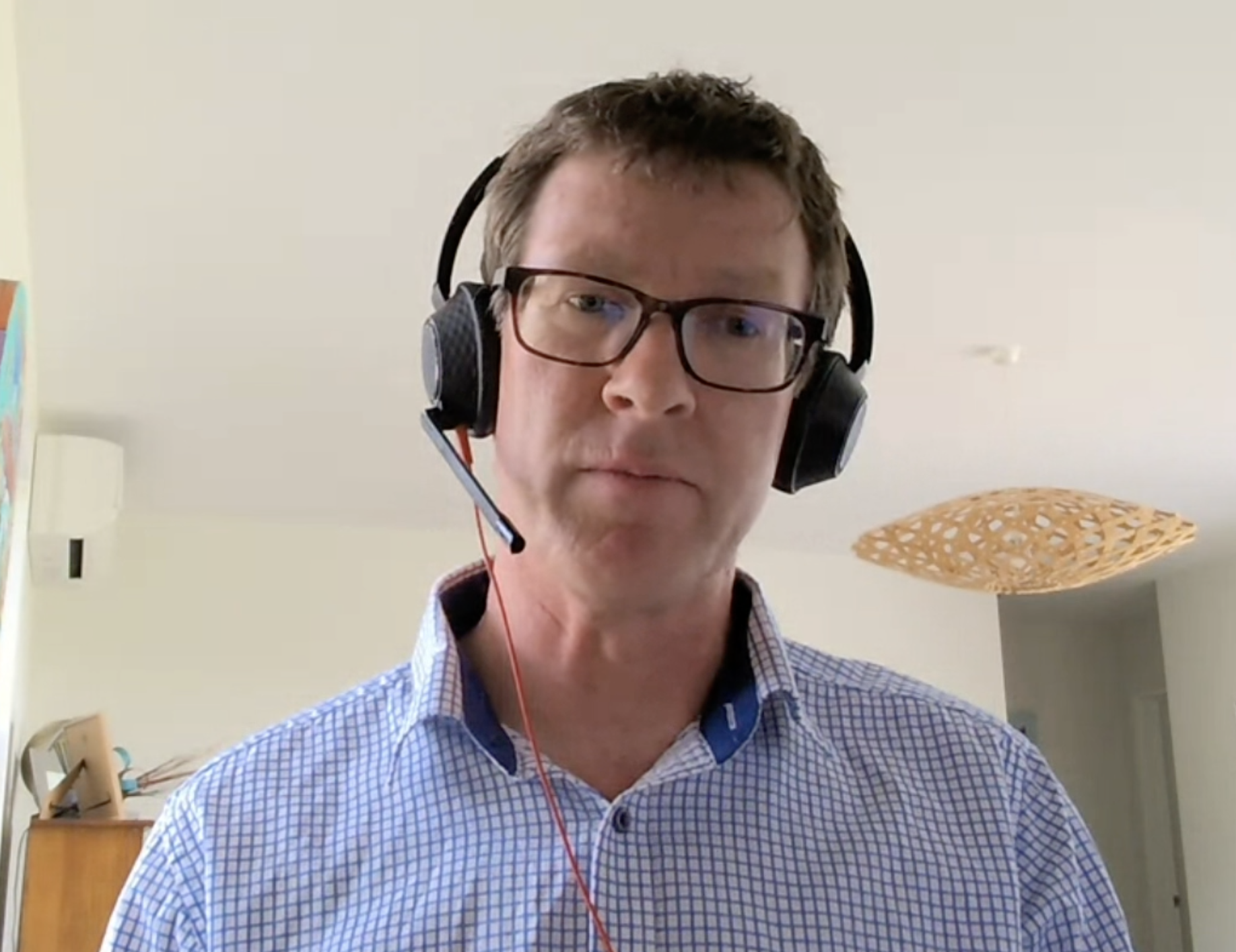
Associate Commerce Commissioner Nathan Strong
Orion had spent years recovering from the earthquakes while responding to rising electricity demand, leaving some older infrastructure requiring attention.
Strong acknowledged the additional financial pressure facing households, but said the Commission had to balance affordability against the risk of allowing critical infrastructure to deteriorate.
He also explained that customers would not be expected to fund the entire investment immediately.
“We spread those costs over the 60 to 80 year life of those assets.”
Mauger accepted the importance of strengthening Christchurch’s electricity network, pointing to major underground cable installations along Sparks Road and through to Bromley.
He said the council could engage with Orion through Christchurch City Holdings Limited, but acknowledged he had not yet examined the investment proposal in sufficient detail to judge whether better financial planning could have reduced the need for higher charges.
“I’m not deep enough into that.”
Orion’s $905,000 man
The mayor also raised questions about executive remuneration after being told Orion chief executive Nigel Barbour received a total pay package of $905,000 in the last financial year.
That was an increase of $25,000, or approximately 2.8 percent, on his previous remuneration of $880,000.
Mauger stopped short of questioning Barbour’s performance but suggested organisations needed to consider whether annual increases were appropriate once salaries reached such substantial levels.
“There must come a time where you say, ‘Righto, this year no increase,’ and just run it from there.”
He acknowledged that senior executives at comparable companies received similar remuneration, but questioned what the public was getting for such large sums.
“900 grand seriously is a lot of dough, and it makes you wonder what you get for that?”
Orion’s annual report says its board determines the chief executive’s remuneration after receiving independent expert advice and considering market data.
The Commerce Commission does not regulate Orion’s shareholders, determine executive salaries or decide how much dividend the company distributes. Its responsibility is to assess whether the proposed network expenditure is justified and set limits on the revenue Orion can recover from consumers.
Strong said the regulator was proposing strict reporting requirements to ensure the company delivered the improvements it promised.
That includes public scrutiny of technology investments intended to improve how the electricity network is managed.
Orion would be expected to demonstrate the value of those projects through cost benefit analysis.
The Commission has also examined alternatives to conventional network upgrades, including rooftop solar, batteries, electric vehicles and more flexible electricity use.
Asked whether existing Christchurch households could end up subsidising infrastructure needed to support Selwyn’s growth, Strong said new connections were expected to fund that investment over time.
“As the network grows and more people connect to it, their annual lines charges will pay for that investment over time.”
The draft decision remains open for public feedback, and Orion can provide further evidence to support the expenditure the Commission has proposed reducing.
Mauger said he wanted to examine the business case before reaching a conclusion on whether the full programme was justified.
“I’m sure they’d put up a business case for it, but I’ll be interested to see what it is.”
Public submissions close on 8 December, followed by cross submissions on 23 December.
The Commerce Commission expects to issue its final decision in March 2027, with any revised charges beginning from 1 April 2027.