Escaped youth tracked by Eagle helicopter, found hiding in New Brighton
The young person who escaped from a youth justice facility in Rolleston has been located...


The young person who escaped from a youth justice facility in Rolleston has been located...

A person has been seriously injured on State Highway 75, Christchurch Akaroa Road. A police...

BodyFix Gym Christchurch in Phillipstown has taken out two major honours at the Exercise New...

Local MPs have found areas of agreement on major Resource Management Act reforms, during a...

A series of public events have been organised across Christchurch and Lyttelton over the coming...

A woman was taken to hospital after a ‘water incident’ at Parakiore Recreation and Sport...
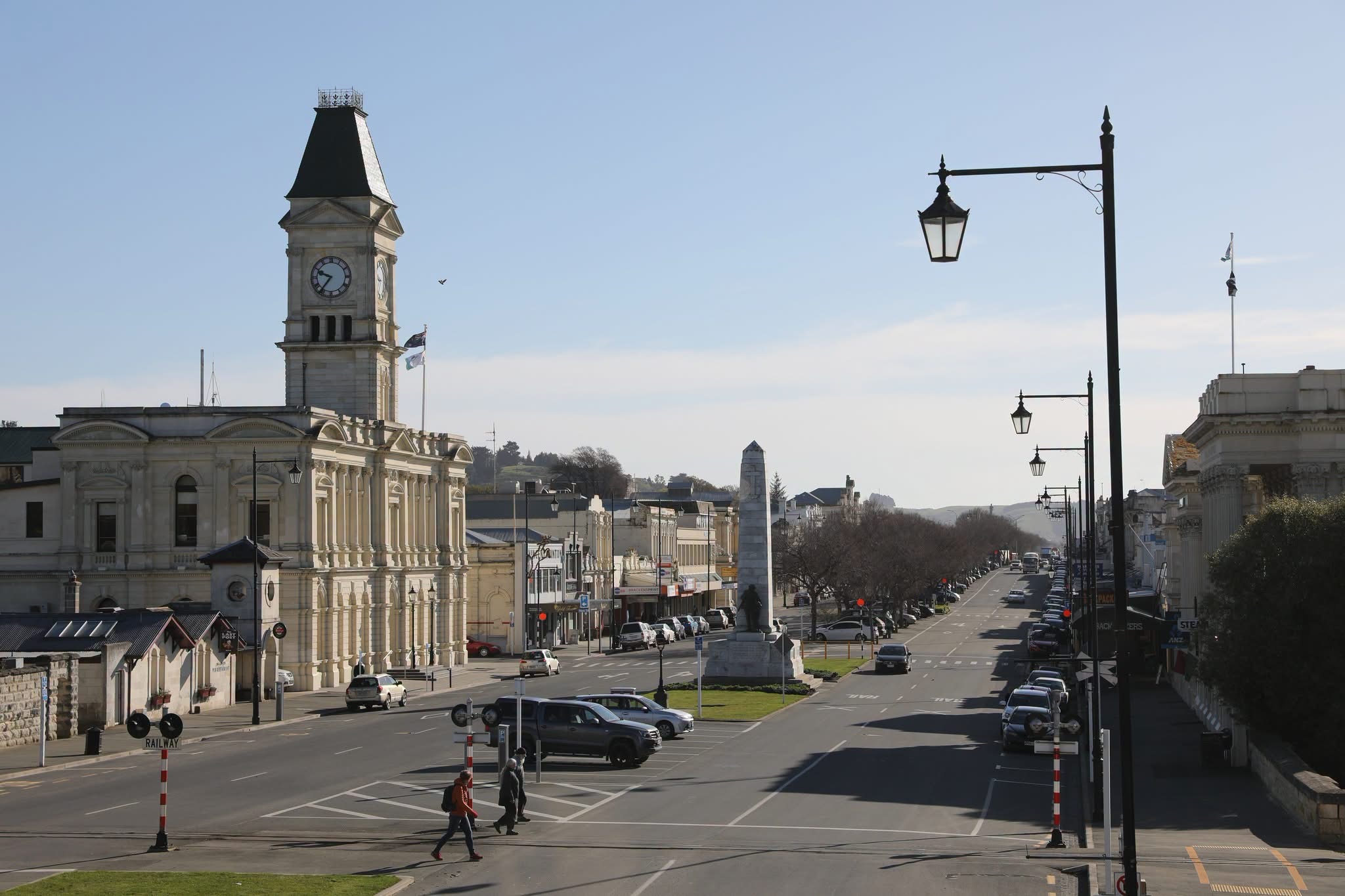
Waitaki District Council has cut its planned rates rise from 22 percent to 17 percent, but will break a legal deadline and take on new debt to get there.
Councillors voted at Tuesday’s meeting to overturn the 22 percent increase they set on 26 May, after Mayor Melanie Tavendale put forward a Notice of Motion to lower it.
The motion passed on a majority vote.
Staff must now rewrite the Annual Plan, and the council does not expect to have it ready until 9 July.
That means it will miss the 30 June deadline to confirm the plan and set rates for the 2026/27 year.
Under the Local Government Act 2002, councils must adopt an annual plan and set their rates before the financial year begins on 1 July.
The council will tell the Minister for Local Government, Simon Watts, that it has breached the deadline, and wait for his response.
The council said it could afford the smaller increase because of falling fuel prices, a one-off $1 million dividend from its contracting company Whitestone Contracting Ltd, and an instruction to staff to find savings. It acknowledged those savings could mean cuts to some services.
To make the lower figure work, the council will also borrow to help cover its everyday running costs this year.
That debt will have to be repaid, and the council said it would push up rates in later years and feed into its next 10 year budget, the 2027 to 2037 Long Term Plan.
The 17 percent figure is still a steep rise.
The 22 percent increase it replaces was agreed only last month, at an extraordinary meeting, to help close a forecast $14 million operating deficit. Tavendale said at the time the council had not collected enough in rates to cover its costs, having run deficits in nine of the past 10 years.
The earlier decision came after months of public anger.
The council had consulted on rises of 19, 27 or 45 percent and received more than 500 submissions.
Hundreds packed a meeting at the Oamaru Opera House, and some ratepayers called for a government inquiry into the council’s books.
has described the increases as a tough ask in a district where the median income is about $32,000, roughly $10,000 below the national average.