Escaped youth tracked by Eagle helicopter, found hiding in New Brighton
The young person who escaped from a youth justice facility in Rolleston has been located...


The young person who escaped from a youth justice facility in Rolleston has been located...

A person has been seriously injured on State Highway 75, Christchurch Akaroa Road. A police...

BodyFix Gym Christchurch in Phillipstown has taken out two major honours at the Exercise New...

Local MPs have found areas of agreement on major Resource Management Act reforms, during a...

A series of public events have been organised across Christchurch and Lyttelton over the coming...

A woman was taken to hospital after a ‘water incident’ at Parakiore Recreation and Sport...


Environment Canterbury has warned that flood protection, public transport and water management must continue without disruption as the Government considers a major restructuring of local government across the region.
Canterbury councils have submitted a range of proposals through the Government’s Head Start process, including models that would replace existing councils with new unitary authorities.
Ashburton District Council was the only territorial authority in Canterbury not to submit a proposal.
Environment Canterbury chair Dr Deon Swiggs said the regional council was not supporting any particular model, but wanted essential services protected throughout the transition.
“There are a range of governance models being proposed across Canterbury, and our focus is not on favouring a particular structure,” he said. “What matters is that Canterbury communities continue to receive the services they rely on.”
Swiggs said flood protection, public transport, water management, biosecurity, environmental regulation, emergency management and regional planning needed to remain integrated and resilient.
The proposed reforms would bring an end to regional councils in their current form.
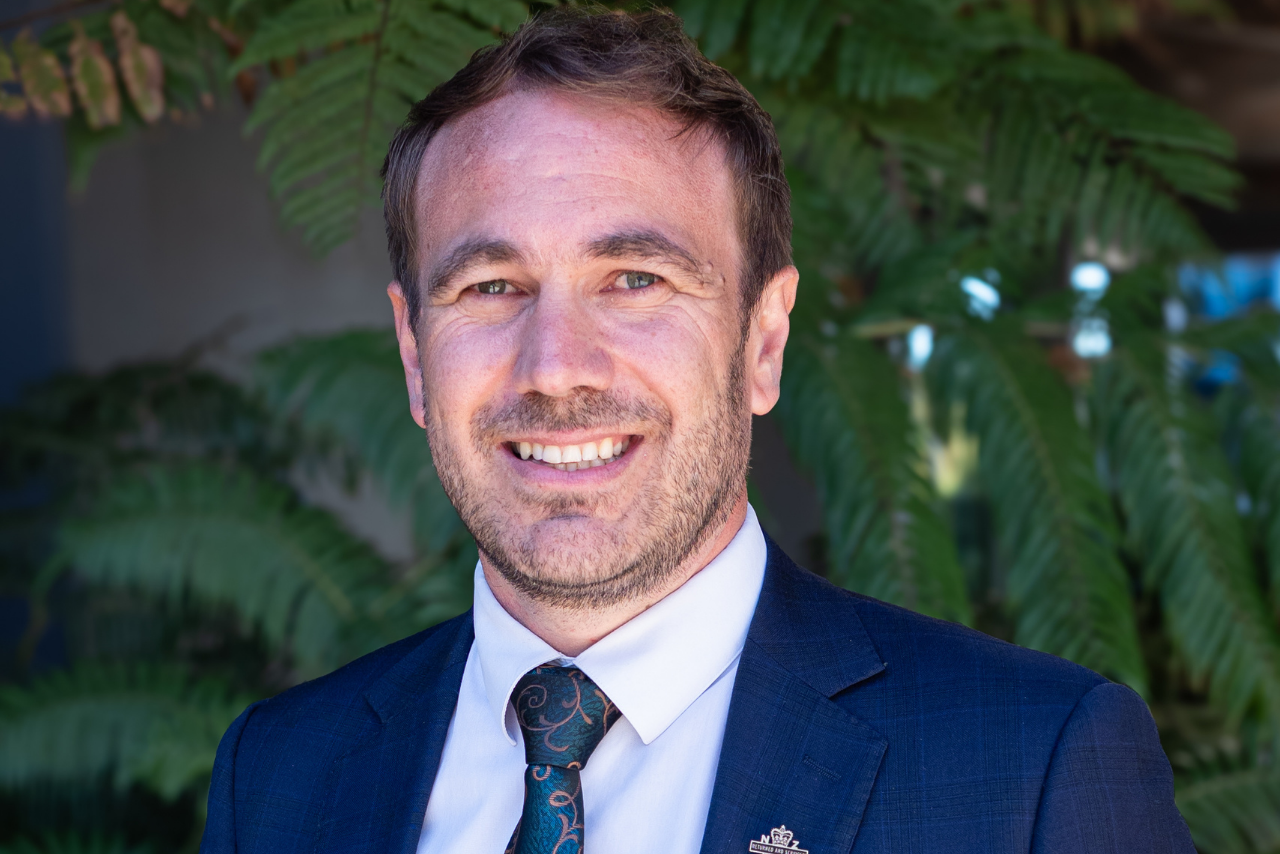
Dr Deon Swiggs / Environment Canterbury Chair
“Regional councillors won’t be re elected in 2028 under any of these models. The Government’s guidance is also clear that Head Start proposals are for territorial authorities, not us. Our job is making sure the work we deliver carries through seamlessly to whoever takes on those responsibilities.”
Swiggs said many regional services relied on specialist expertise, coordinated decision making and long term investment.
“Our rivers, catchments, transport systems, natural hazards and ecosystems don’t stop at council boundaries. Effective management requires coordinated planning and a region wide perspective.”
He said services such as freshwater monitoring, biosecurity, consenting and compliance operated every day and could not simply be stopped and restarted while new organisations were established.
Environment Canterbury has offered its operational systems, environmental data and technical expertise to the Government and Canterbury councils during the detailed design process.
Swiggs said this would help any new authorities continue delivering services from their first day of operation. “What matters is whether these functions keep being delivered at the scale Canterbury needs.”
He also called for existing Treaty settlement arrangements and relationships with Ngāi Tahu to be carried into any new governance structure.
That included obligations under the Ngāi Tahu Claims Settlement Act, relationships with Te Rūnanga o Ngāi Tahu and the region’s ten Papatipu Rūnanga, and existing iwi management plans.
“Those relationships are part of how the work gets done, and they need to be embedded in whatever model emerges,” Swiggs said.
Cabinet is expected to decide in September which proposals will proceed to detailed design.
Final plans will be due by March next year, with Cabinet approval expected in May.
The new governance arrangements are expected to be introduced before or shortly after the October 2028 local body elections.
Where no proposal is submitted or accepted, the Government has indicated an interim arrangement will apply from the 2028 elections.