Escaped youth tracked by Eagle helicopter, found hiding in New Brighton
The young person who escaped from a youth justice facility in Rolleston has been located...


The young person who escaped from a youth justice facility in Rolleston has been located...

A person has been seriously injured on State Highway 75, Christchurch Akaroa Road. A police...

BodyFix Gym Christchurch in Phillipstown has taken out two major honours at the Exercise New...

Local MPs have found areas of agreement on major Resource Management Act reforms, during a...

A series of public events have been organised across Christchurch and Lyttelton over the coming...

A woman was taken to hospital after a ‘water incident’ at Parakiore Recreation and Sport...

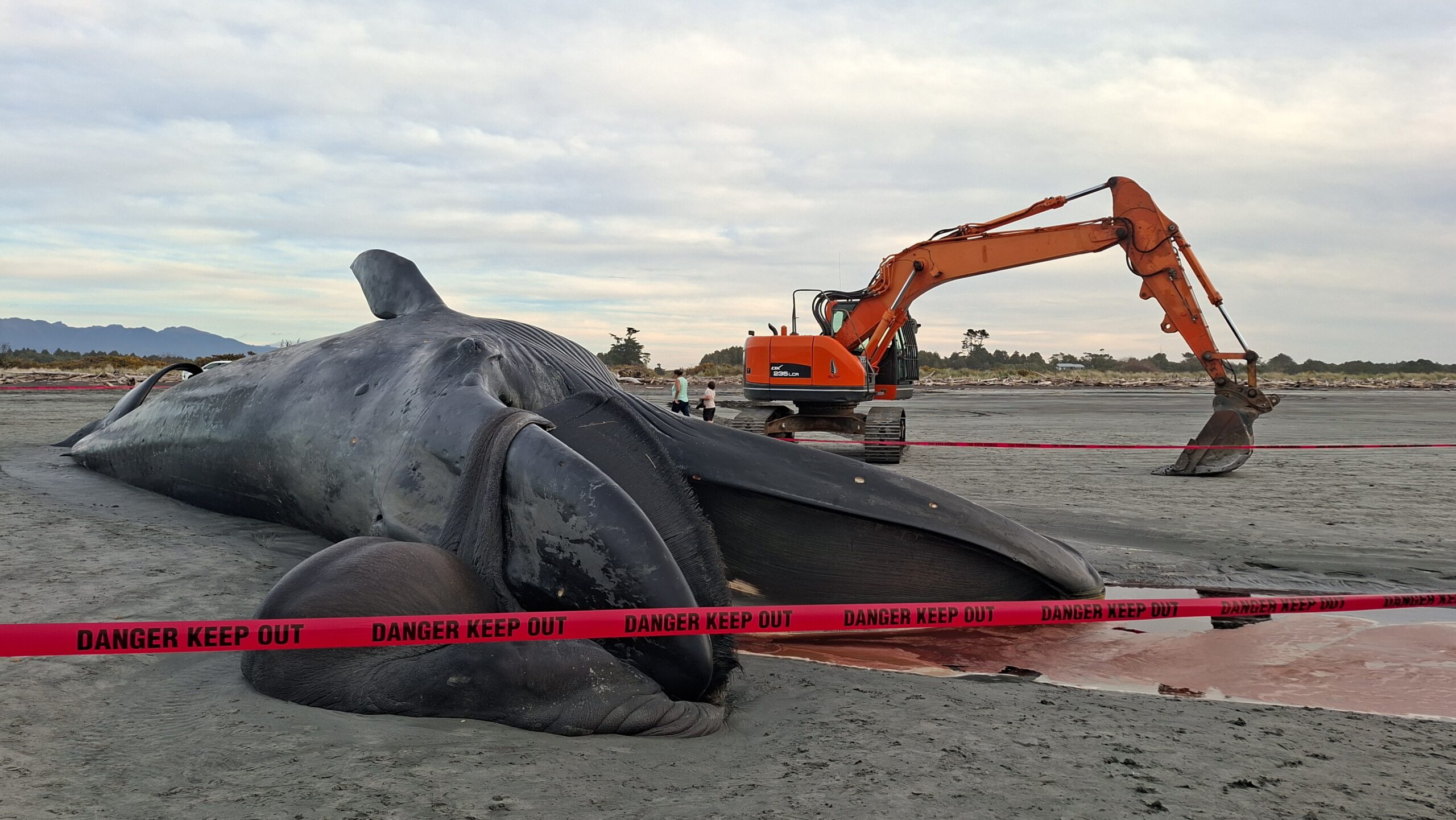
A 21.7 metre pygmy blue whale weighing an estimated 20 tonnes has washed ashore at Carters Beach near Westport.
The whale was first spotted dead in the surf on 10 August before its body became stranded on the beach on Tuesday.
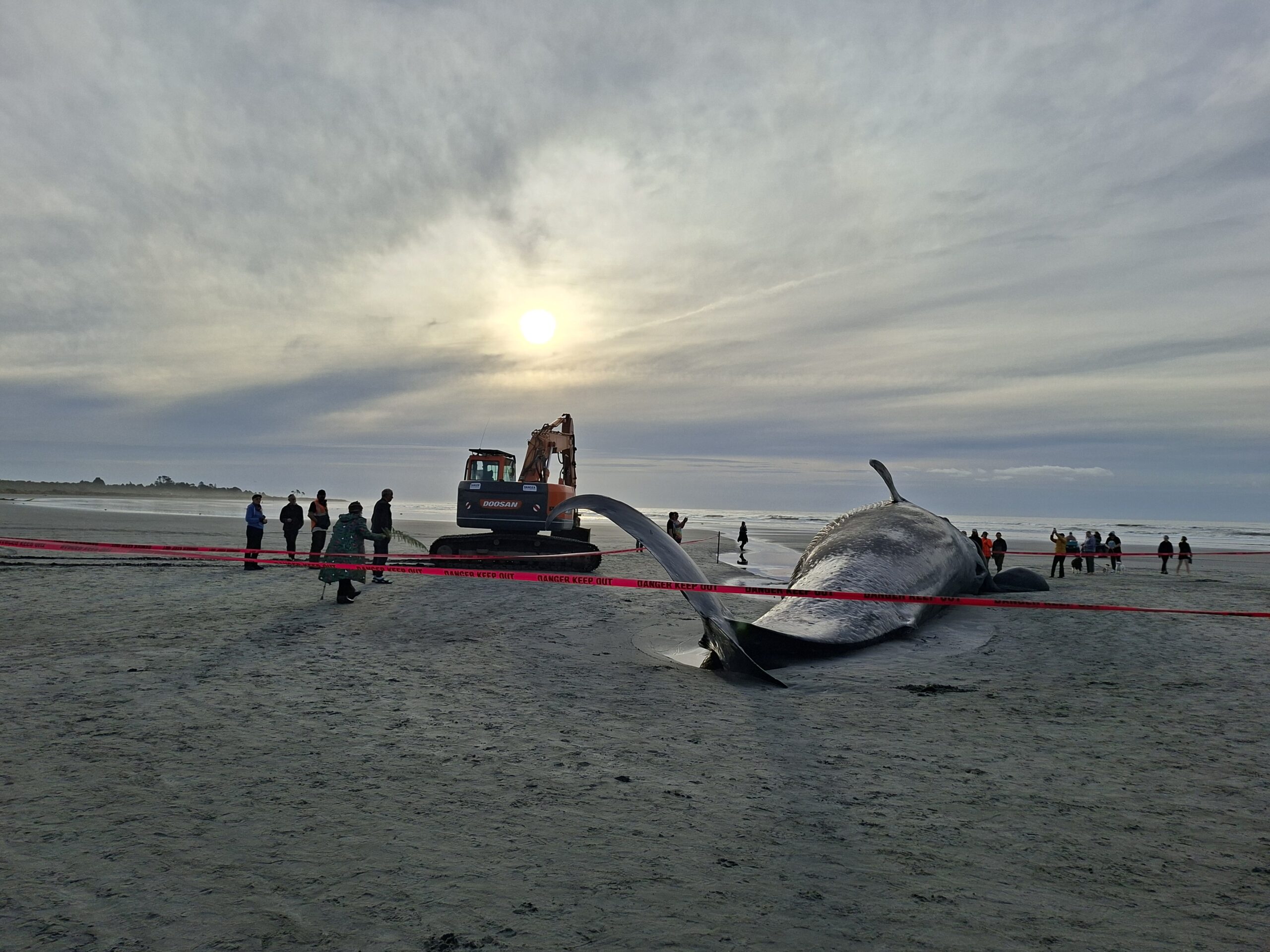
Photo supplied by the Department of Conservation
Local resident Satnam S said seeing the whale on the beach was an emotional experience. “It was incredibly sad to see a pygmy blue whale beached on Carters Beach,” Satnam said.
“I couldn’t help but shed a tear. Such a magnificent and gentle giant of the ocean, lying helpless on the beach, was a heartbreaking sight.”
Pygmy blue whales are a smaller subspecies of blue whale, although they can still grow to around 24 metres long and weigh many tonnes.
They are found throughout the southern oceans, including in waters around New Zealand, and feed mainly on tiny krill.
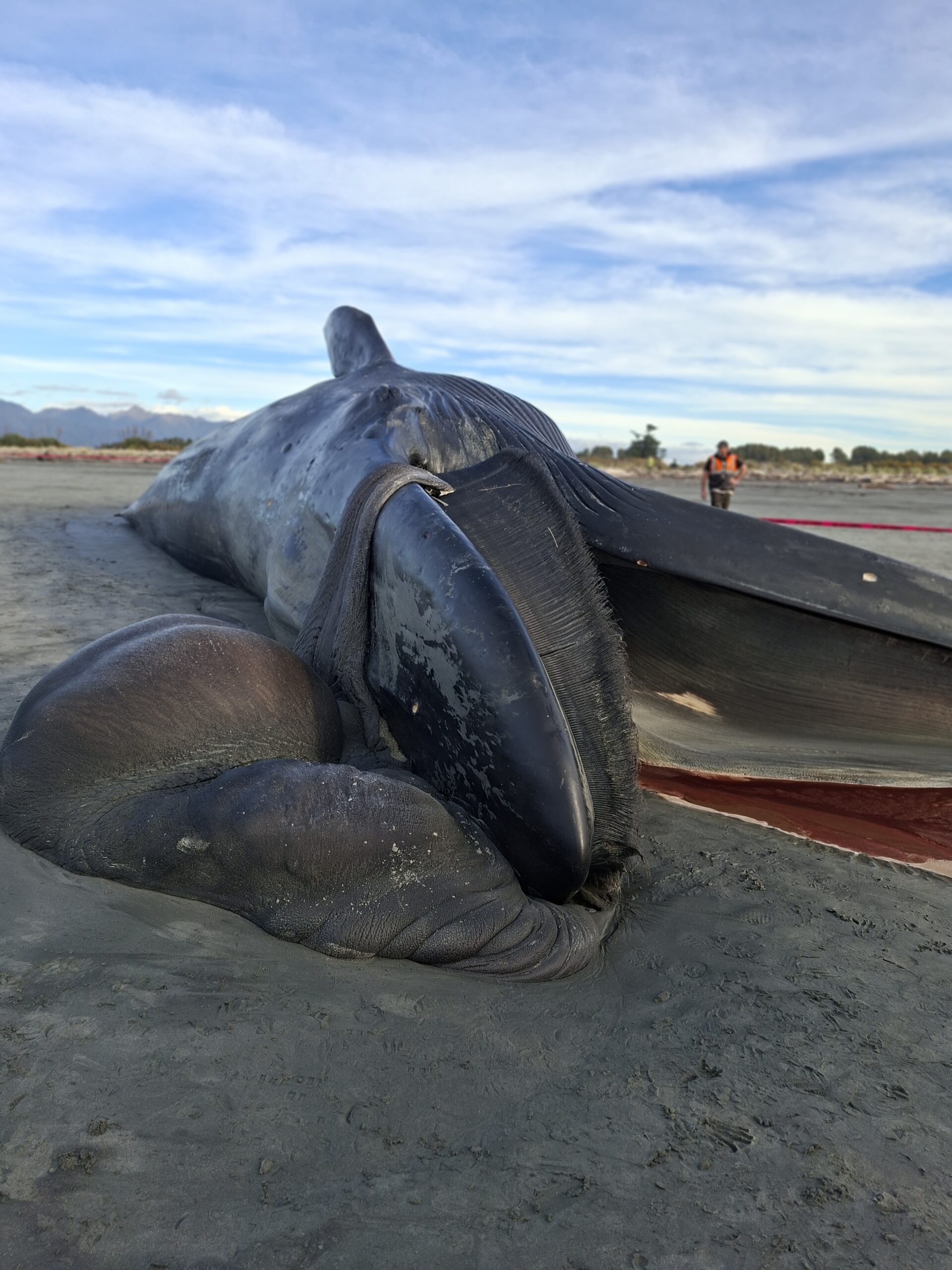
Pygmy blue whale on Carters Beach, West Coast, NZ. Photo supplied by the Department of Conservation
Despite their size, pygmy blue whales are gentle filter feeders. They consume large quantities of seawater before filtering out the krill on which they feed.
Satnam said seeing one at such close range was an incredibly rare experience.
Department of Conservation Acting Operations Manager for Buller Kushla Tapper said staff had visited the site and were working with local iwi to observe tikanga while decisions were made about the body.
“A lot of locals have come down to see this beautiful creature,” Tapper said. “It’s unusual and impressive to have a whale of this size on the beach.”
The whale appeared to have died recently, but the cause of death was not known.
Tapper said tissue samples had been collected for future research. Contractors with diggers were preparing to bury the whale in the sand near the dunes.
People visiting Carters Beach have been asked to keep their distance and not touch the whale or the surrounding sand.
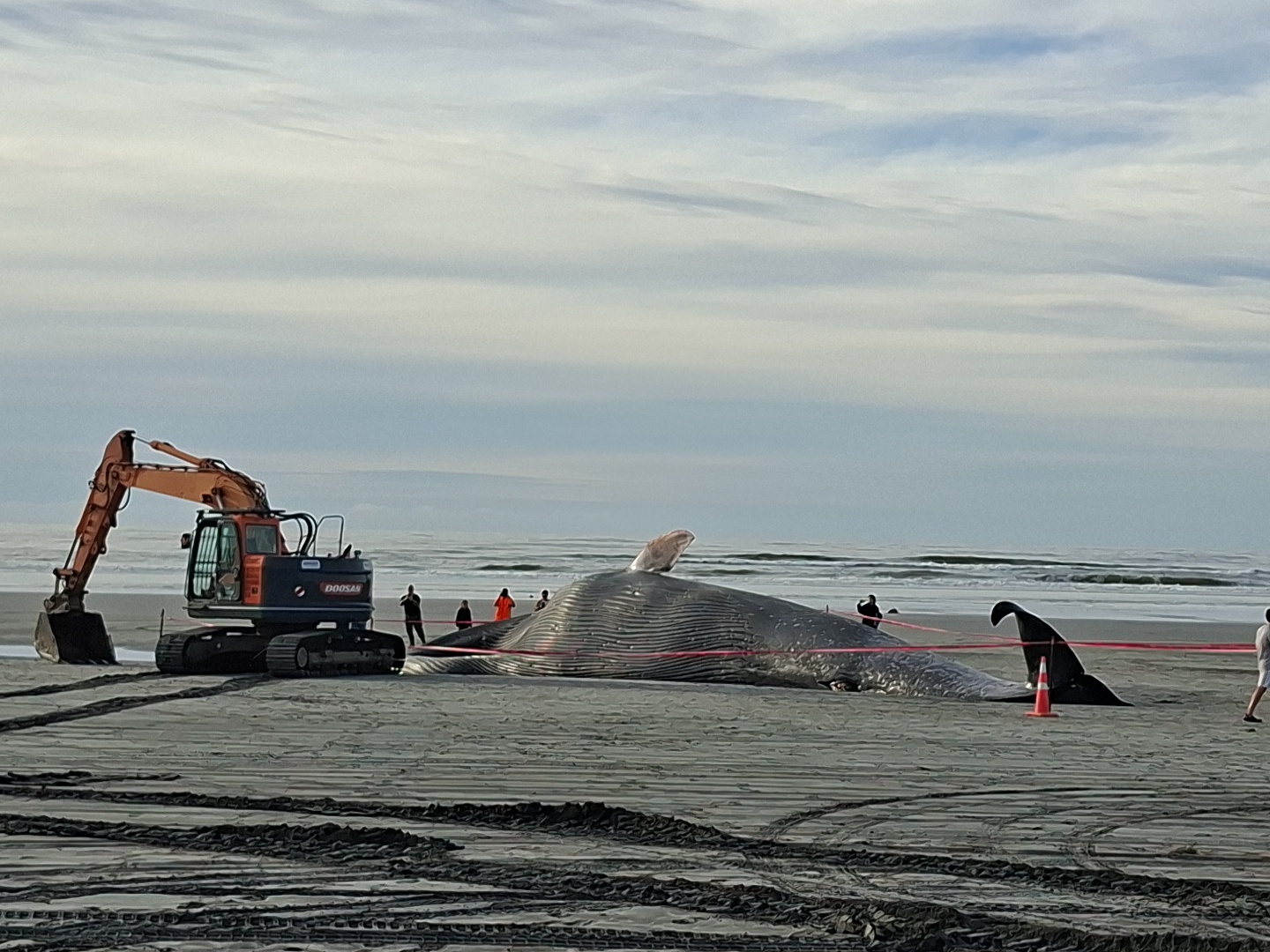
Photo supplied by the Department of Conservation
Tapper said contact with the body could leave an oily smell that was extremely difficult to remove.
Interfering with a whale without authority is also an offence under the Marine Mammals Protection Act 1978, regardless of whether the animal is dead or alive.
Tapper said people could support whale conservation by reporting sightings to the Department of Conservation. Sightings provide valuable information about the distribution and movements of whales around New Zealand.