Escaped youth tracked by Eagle helicopter, found hiding in New Brighton
The young person who escaped from a youth justice facility in Rolleston has been located...


The young person who escaped from a youth justice facility in Rolleston has been located...

A person has been seriously injured on State Highway 75, Christchurch Akaroa Road. A police...

BodyFix Gym Christchurch in Phillipstown has taken out two major honours at the Exercise New...

Local MPs have found areas of agreement on major Resource Management Act reforms, during a...

A series of public events have been organised across Christchurch and Lyttelton over the coming...

A woman was taken to hospital after a ‘water incident’ at Parakiore Recreation and Sport...

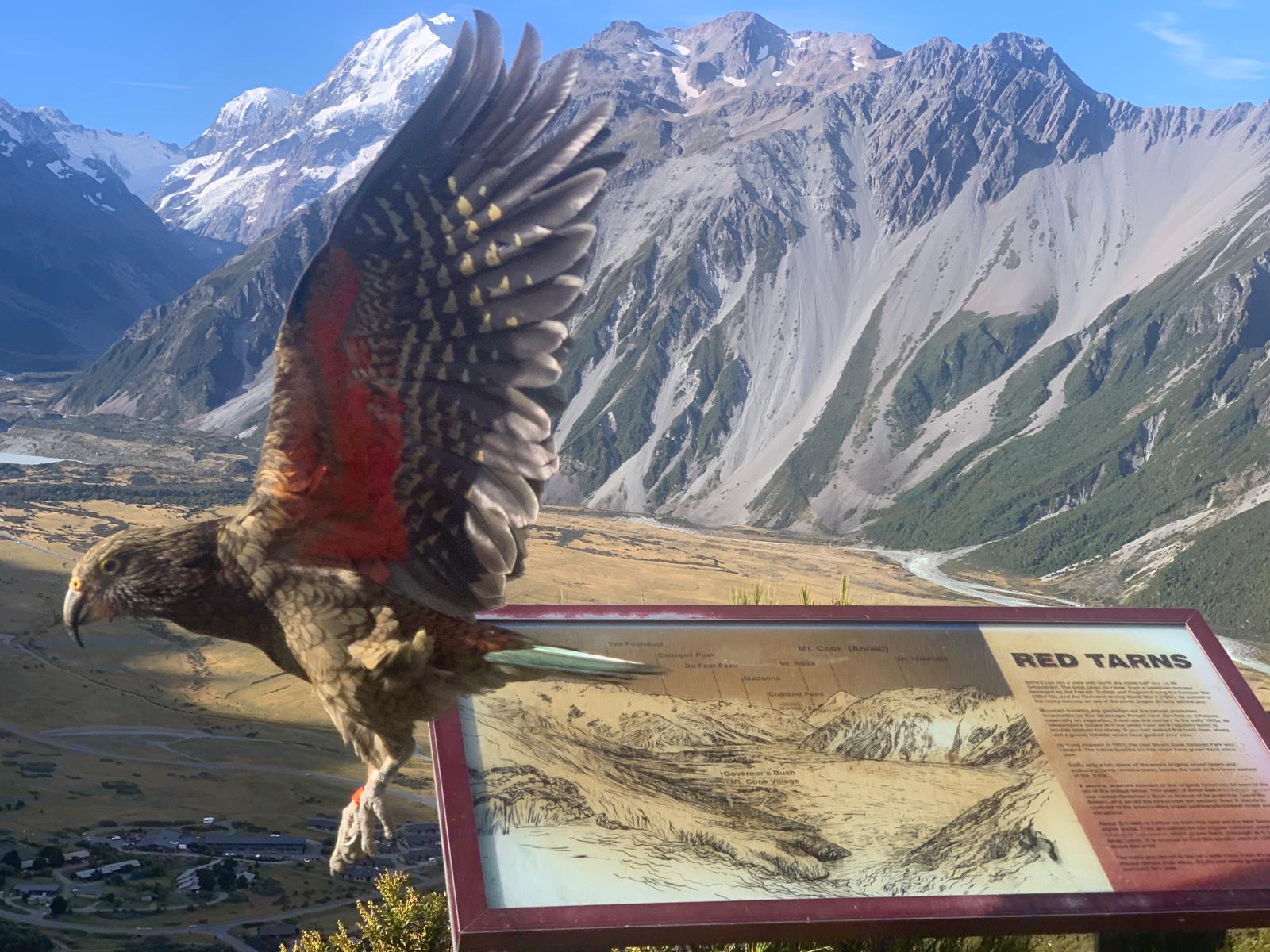
An unusually large flock of kea in Mount Cook National Park has become part of a new trial aimed at tracking the movements of the endangered alpine parrot.
Department of Conservation science staff and rangers recently caught and tagged 31 birds from a flock of about 36 kea spotted at Red Tarns above Aoraki Mount Cook Village.
Each bird was fitted with a leg band containing a tiny microchip, allowing researchers to monitor their travels as they move through the Southern Alps.
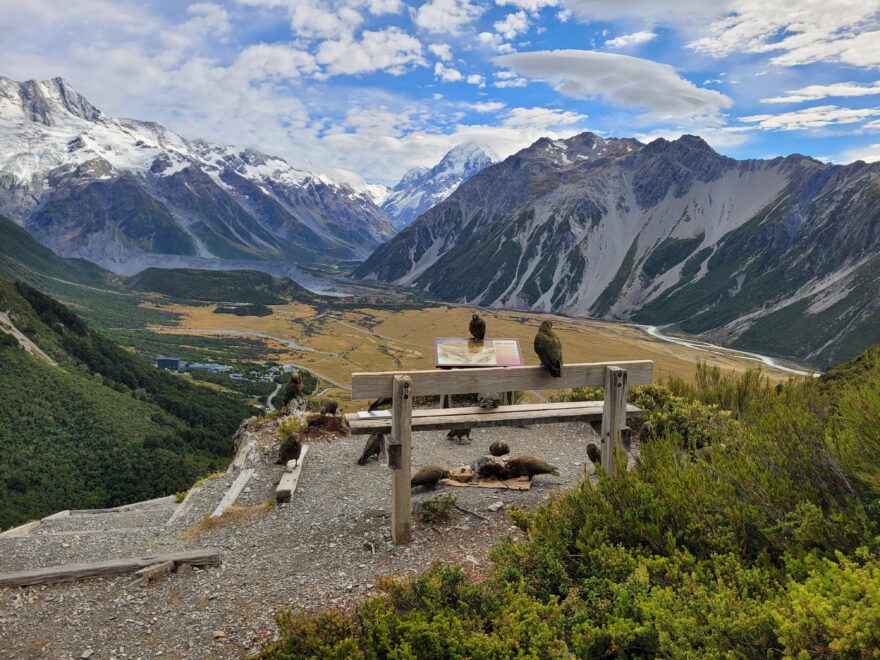
Kea flock, Aoraki, credit Andrew Simmons, DOC.jpg
DOC Senior Science Advisor Kerry Weston said the group is the largest flock recorded at Mount Cook since kea surveying began in 2019. Most of the birds were young, recently fledged kea.
“This is the largest flock of kea I’ve seen at Aoraki or anywhere,” Weston said. “Combined with increased sightings of kea around the park, it’s a positive sign that the local population may be increasing.”
The microchipped leg bands are scanned by solar-powered readers installed on hut roofs and other sites kea commonly visit. The technology allows scientists to track the birds’ movements automatically when they land near the readers.
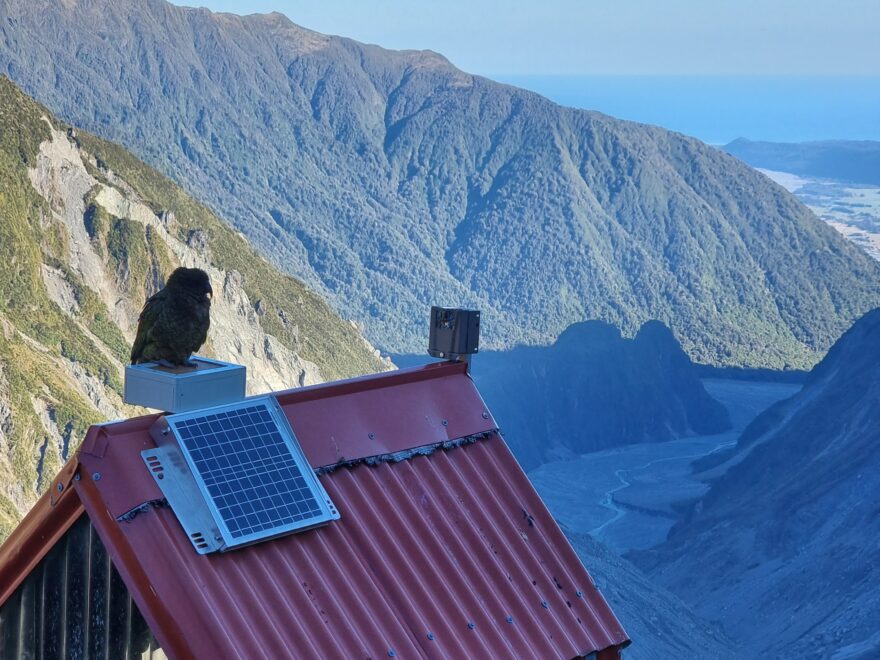
Kea on reader, Chancellor Hut toilet, Credit Rose Lanman, DOC
So far, around 420 kea have been fitted with RFID tags during the past two summers. Thirteen scanning stations have been installed across Mount Cook and Westland national parks, with more planned for huts run by the New Zealand Alpine Club and other conservation areas.
Early data already shows kea are travelling large distances across the Southern Alps. One bird from the recent flock had flown about 40 kilometres from Whymper Hut on the West Coast, while another previously tracked kea travelled more than 30 kilometres from a nest near Ōkārito to Chancellor Hut above Fox Glacier.
DOC says understanding these long-distance movements will help inform predator control efforts and other conservation measures, as stoats and feral cats remain major threats to kea that nest and forage on the ground.
Visitors to alpine areas are also being reminded not to feed kea and to secure their belongings to avoid attracting the curious birds.