Escaped youth tracked by Eagle helicopter, found hiding in New Brighton
The young person who escaped from a youth justice facility in Rolleston has been located...


The young person who escaped from a youth justice facility in Rolleston has been located...

A person has been seriously injured on State Highway 75, Christchurch Akaroa Road. A police...

BodyFix Gym Christchurch in Phillipstown has taken out two major honours at the Exercise New...

Local MPs have found areas of agreement on major Resource Management Act reforms, during a...

A series of public events have been organised across Christchurch and Lyttelton over the coming...

A woman was taken to hospital after a ‘water incident’ at Parakiore Recreation and Sport...

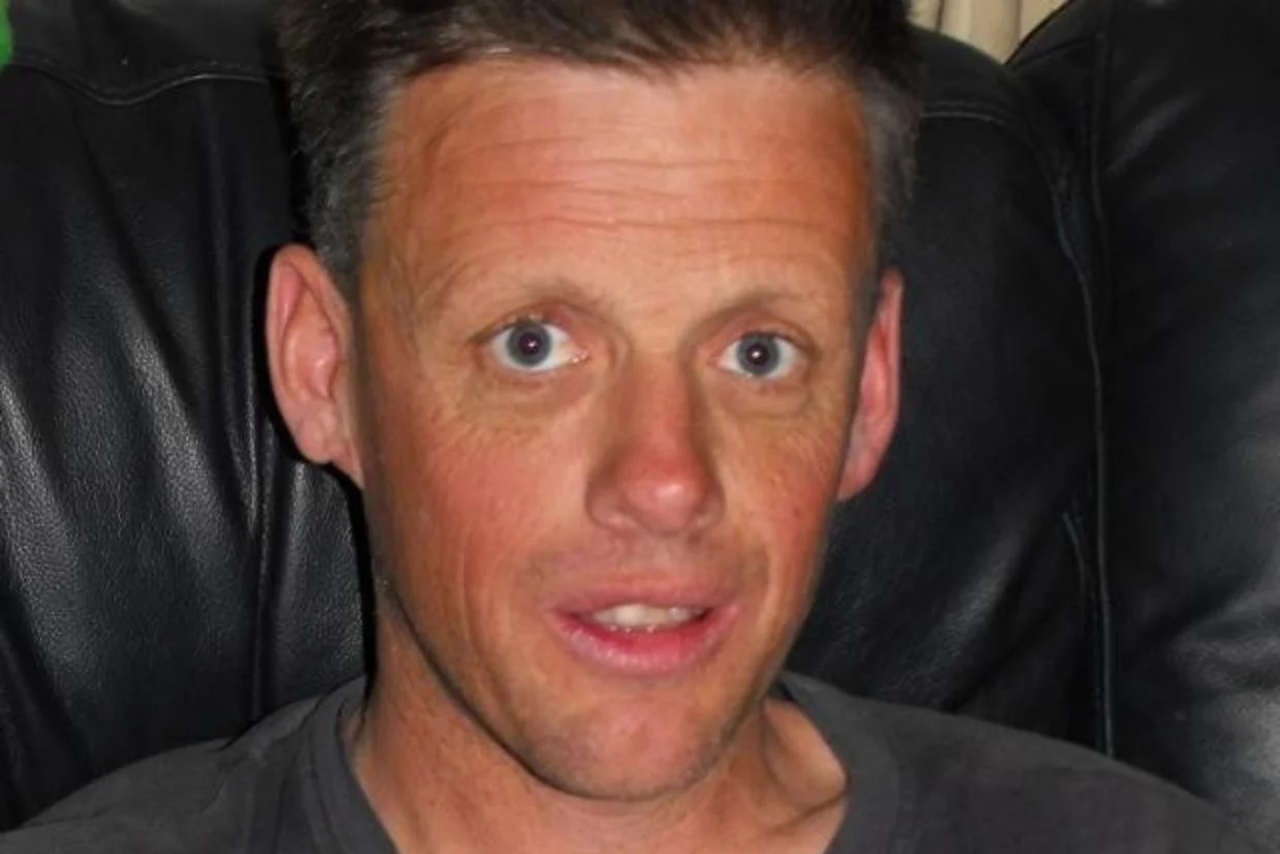
A long running campaign by the family of murdered Christchurch builder Michael McGrath has moved a step closer to becoming law, with a members’ bill that would block convicted murderers from parole if they refuse to reveal the location of their victim’s body now drawn from the ballot.
Michael McGrath was murdered by his childhood friend David Benbow in 2017.
Despite extensive police searches, his body has never been found, and his family has been left without the ability to lay him to rest.
His brother Simon McGrath has spent years calling for a “no body, no parole” law in New Zealand.
That campaign has now been picked up by Bay of Plenty MP Tom Rutherford, whose Concealment of Location of Victims Remains Bill was drawn from the members’ ballot.
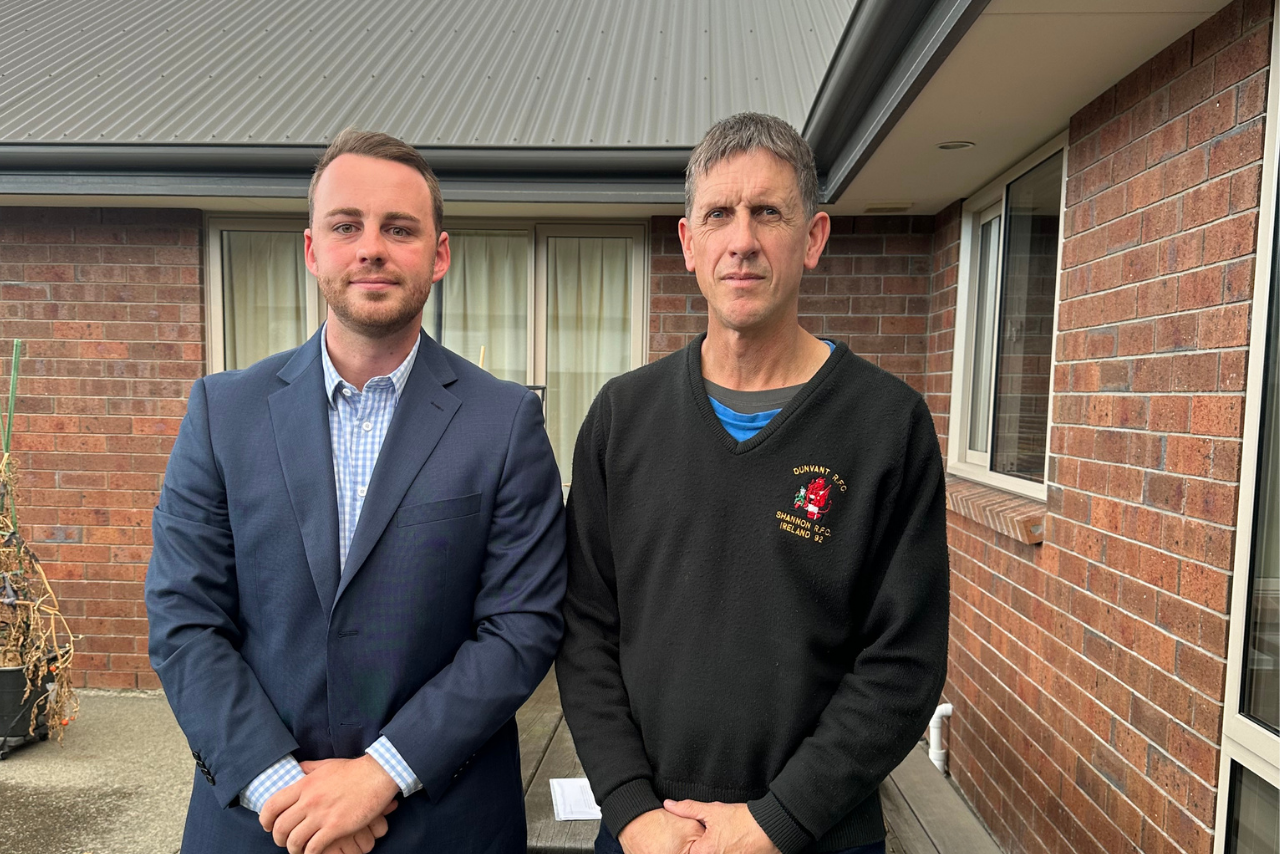
Tom Rutherford and Simon McGrath
“I spoke with Simon about this bill and was immensely moved by what this family continues to experience,” Rutherford said.
“Despite extensive police searches, Michael’s body has yet to be found, and Simon and his family have not had the closure they deserve.”
“I’m proud that today we are one step closer to helping families in New Zealand facing similar situations, ensuring our justice system prioritises victims over offenders.”
If passed, the bill would make convicted murderers ineligible for parole unless they cooperate in identifying where their victim’s body is located.
It would amend section 9 of the Sentencing Act 2002 so that an offender’s failure to disclose the location of a victim’s body must be considered by sentencing courts as an aggravating factor.
It would also insert a new section 28A into the Parole Act 2002, requiring the Parole Board to refuse parole unless it is satisfied the prisoner has cooperated satisfactorily in identifying the victim’s location.
Rutherford said the legislation was about recognising the ongoing torment endured by families who cannot bury their loved ones.
“The Concealment of Location of Victims Remains Bill acknowledges the additional anguish faced by families who are unable to lay their loved ones to rest,” he said.
“It also reflects this Government’s tough on crime, victims first approach. The intention is to deny offenders the opportunity for parole while they selfishly withhold closure for families.”
The bill is modelled on similar legislation passed in the United Kingdom in 2020 and in New South Wales in 2022.
Rutherford said both laws had acted as incentives for those concealing victims’ remains to disclose their whereabouts, and had prevented those who continued to refuse from being released on parole.