Escaped youth tracked by Eagle helicopter, found hiding in New Brighton
The young person who escaped from a youth justice facility in Rolleston has been located...


The young person who escaped from a youth justice facility in Rolleston has been located...

A person has been seriously injured on State Highway 75, Christchurch Akaroa Road. A police...

BodyFix Gym Christchurch in Phillipstown has taken out two major honours at the Exercise New...

Local MPs have found areas of agreement on major Resource Management Act reforms, during a...

A series of public events have been organised across Christchurch and Lyttelton over the coming...

A woman was taken to hospital after a ‘water incident’ at Parakiore Recreation and Sport...

The closure of the Wattie’s factory in Hornby after more than 50 years of production is a sign of wider pressure facing New Zealand workers and businesses, according to New Zealand Council of Trade Unions President Sandra Grey.
The Christchurch frozen vegetable closed on Wednesday, with about 80 permanent workers losing their jobs. Heinz Wattie’s has previously pointed to pressures including inflation, energy and transport costs, imported competition and difficult growing seasons.
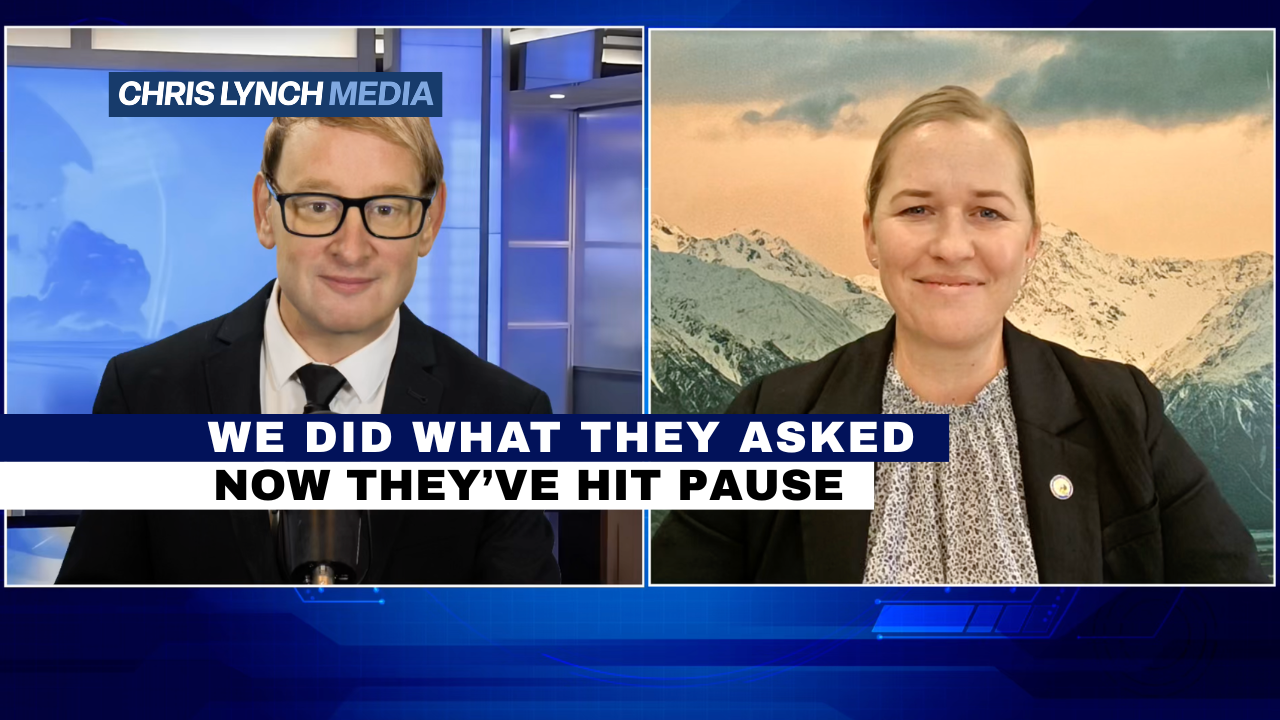
Speaking to Chris Lynch Media, Grey said the closure should not be viewed in isolation.
“We are seeing across the economy and in communities, obviously like Christchurch, closures of a whole range of manufacturing production companies,” she said.
Grey said high energy costs were placing additional pressure on businesses and believed the economic environment would make the transition particularly difficult for workers losing long held jobs.
“My heart goes out to all those workers who are about to find themselves in the worst of all positions in the growing unemployment lines of New Zealand.”
Her comments come alongside a new NZCTU report examining how people are responding to rising household costs. The survey was conducted between 6 and 31 August and received 683 responses.
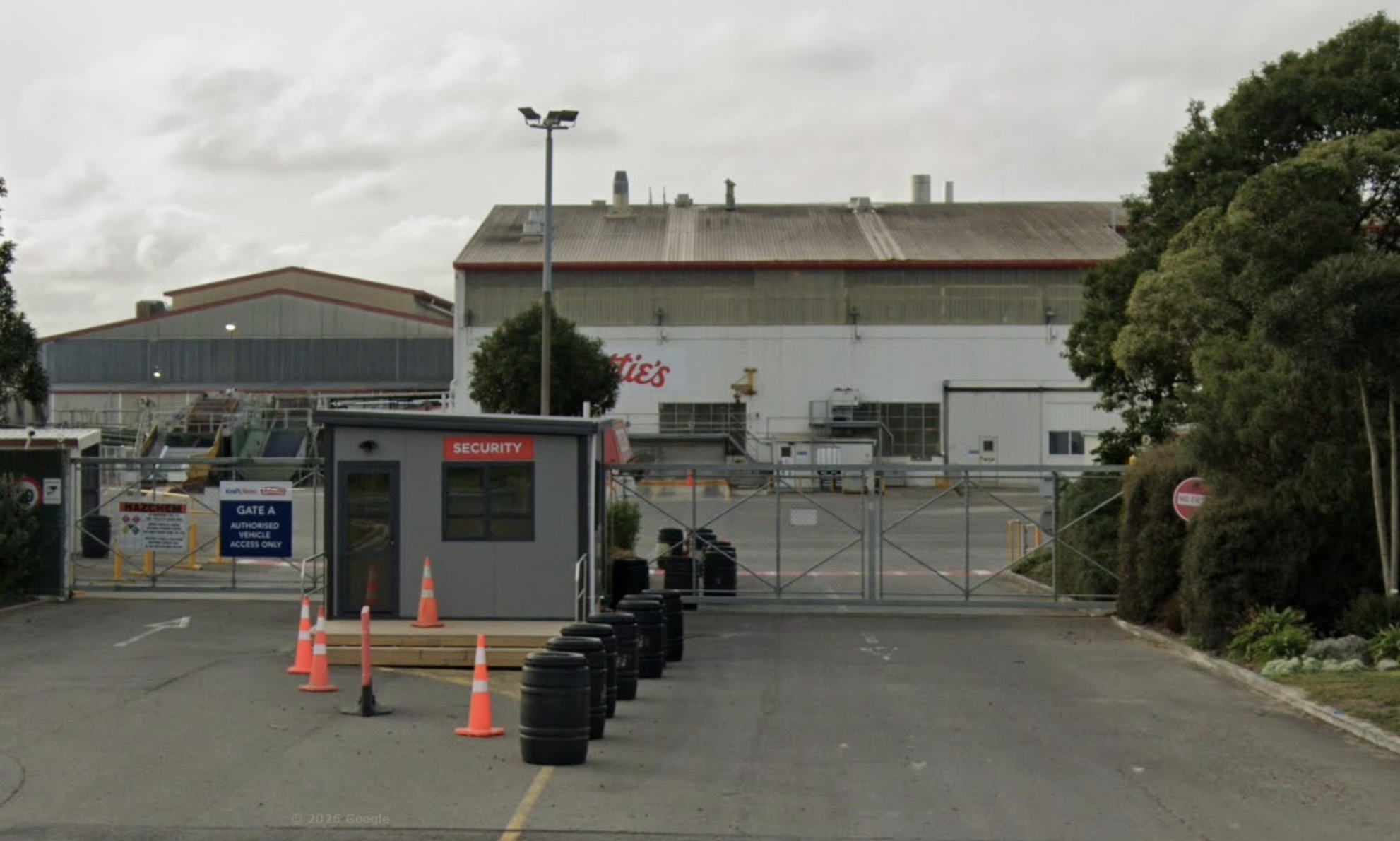
Heinz wattie’s factory Hornby closed on Wednesday
Among respondents, 64 percent said they were buying cheaper food, 25 percent had skipped meals, 56 percent had delayed dental care, 45 percent had put off seeing a doctor, half had reduced heating and 42 percent were drawing on savings to meet everyday costs.
Grey said some of the responses that concerned her most involved people sacrificing healthcare and nutritious food. “There are workers who are in full time employment that can’t afford healthcare.”
She said respondents described delaying trips to doctors and dentists, missing prescriptions and cutting fresh fruit and vegetables from their shopping.
Others were sacrificing their own meals to ensure their children could eat. Grey said the consequences went beyond immediate financial hardship because food, warm homes, healthcare and maintaining connections with family and friends were all important to long term wellbeing.
Asked how much weight should be placed on a survey that was not representative of the population, Grey said the 683 personal accounts should be considered alongside wider economic and social data. She said workers across different income levels were reporting financial pressure, including some earning considerably more than the minimum wage.
Grey said one of the more concerning themes was people withdrawing money from savings simply to maintain their existing standard of living.
“It wasn’t just workers on low incomes that were talking about the cuts they’re making.” She said some respondents earning about $150,000 reported having little left after bills and were beginning to use savings to cover household expenses.
Grey argued the pressure facing households required more fundamental policy changes rather than small adjustments. She said workers wanted changes to electricity, wage setting and taxation, and argued for stronger collective bargaining, the return of fair pay agreements and further progress on pay equity.
Grey also backed changes to the tax system that would require wealthy individuals and large multinational companies to contribute more.
She said inequality was contributing to growing frustration among workers. “Workers are definitely wanting a change to the rules of the game right now.”
Asked how additional government spending could be achieved without adding to inflation, Grey said the NZCTU believed stronger wage bargaining and pay equity could improve the position of lower paid workers.
She argued continually reducing public spending was causing wider harm and said the next government should be prepared to invest more in public services.
“It’s not going to fix everything. We’ve got a long term project ahead of us.” Grey said a wider conversation was also needed about taxation and government spending.
The NZCTU is an active participant in the election campaign and launched its own campaign on 26 September opposing another term of the National led Government.
Grey also raised concerns about the impact of artificial intelligence on employment, saying New Zealand had yet to seriously confront what the technology could mean for workers.
She said AI could improve productivity and workplace safety without necessarily replacing entire occupations, but workers needed to be involved when businesses introduced new technology. “The government, employers, and workers need to be around a table saying, ‘How do we deal with this?’”
Grey said technology should be introduced in consultation with the people doing the jobs rather than imposed on them, particularly when changes could affect safety or working conditions.
Despite her concerns about unemployment, living costs and job security, Grey said she remained hopeful that workers were increasingly engaged in debates about the country’s economic direction. She said maintaining employment in communities and supporting local businesses would be critical.
“We’ve got to stop this hollowing out of our communities and make sure we support local businesses and we support local workers who need those jobs.”