Escaped youth tracked by Eagle helicopter, found hiding in New Brighton
The young person who escaped from a youth justice facility in Rolleston has been located...


The young person who escaped from a youth justice facility in Rolleston has been located...

A person has been seriously injured on State Highway 75, Christchurch Akaroa Road. A police...

BodyFix Gym Christchurch in Phillipstown has taken out two major honours at the Exercise New...

Local MPs have found areas of agreement on major Resource Management Act reforms, during a...

A series of public events have been organised across Christchurch and Lyttelton over the coming...

A woman was taken to hospital after a ‘water incident’ at Parakiore Recreation and Sport...

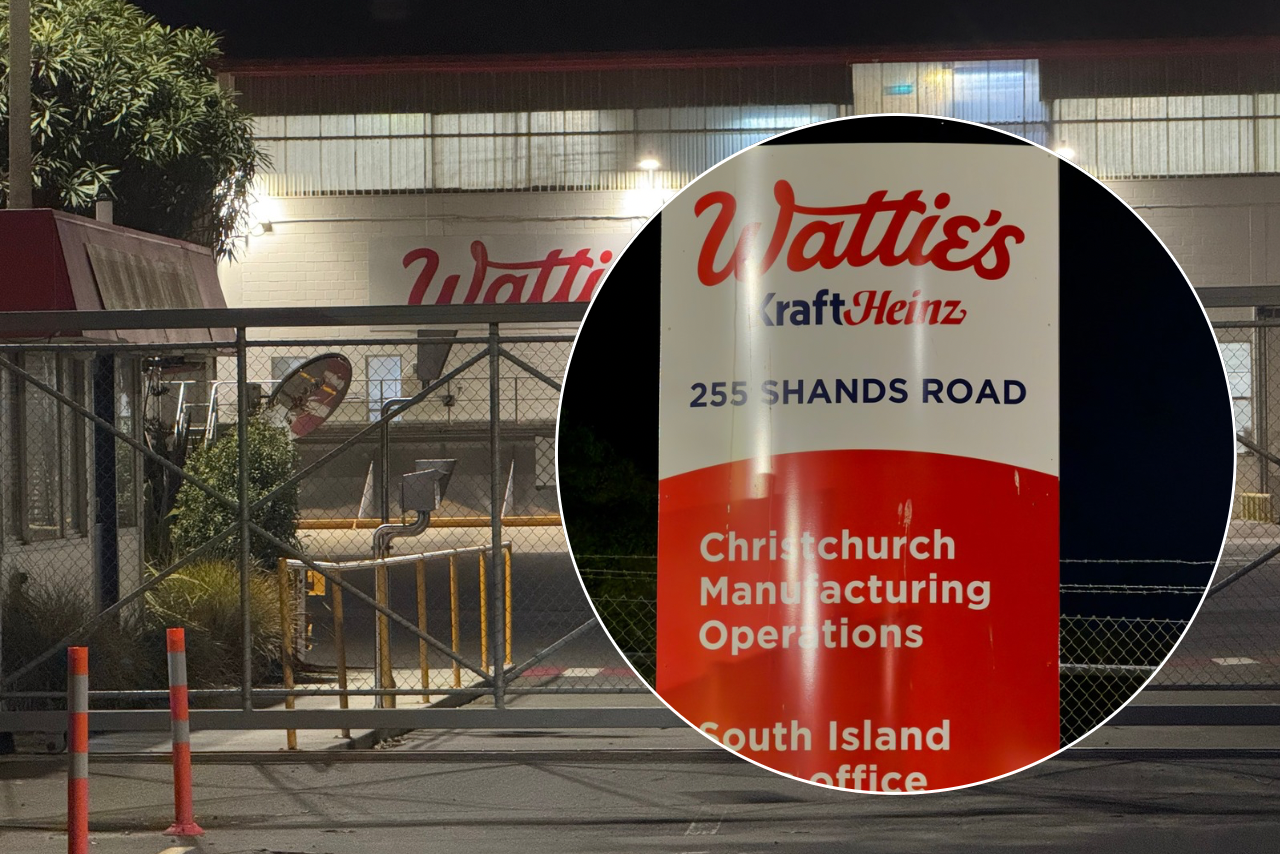
After 47 years at Wattie’s in Hornby, Kathy Perrin never imagined she would be preparing to leave because the factory itself was disappearing.
The E tū union delegate is among about 80 permanent workers losing their jobs as the Christchurch frozen vegetable operation closes, ending more than half a century of food production at the Shands Road site.
For Perrin, Wednesday is not simply the end of a job. “I thought I would be ending my relationship with Wattie’s on my terms, not their terms.”
She joined the factory nearly five decades ago and has worked across numerous roles during that time. “I certainly never saw it coming.”
Perrin said workers had initially believed some jobs might disappear, but the complete closure was something many had not expected.
The Hornby factory has been part of Christchurch’s manufacturing landscape for more than 50 years.
Wattie’s bought land near Hornby in 1969 as it expanded into the South Island, with the new plant designed initially to process about 8000 tonnes of peas a season.
Pea processing began in December 1970 and the factory was formally opened in early 1971.
Over the following decades the operation expanded into a major Canterbury vegetable processing site, handling crops including peas, beans, potatoes, carrots, broccoli and other produce.
That history is part of what has made the closure difficult for workers who have spent much of their lives there. “We’ve made friendships. We’ve all grown up together.”
Perrin said those relationships extended well beyond the factory floor. “My grandkids are known by other members. I know their grandkids. It’s been a really family environment.”
Heinz Wattie’s first announced the proposed closure of its Christchurch operation in March as part of a major restructuring of its New Zealand manufacturing business.
The proposal also involved manufacturing sites in Auckland and Dunedin and frozen packing operations in Hastings.
After consultation with staff and unions, the company confirmed later that month it would proceed with the closures and withdraw from frozen vegetables, Gregg’s coffee and several dips businesses.
About 300 jobs were expected to disappear nationally over the course of the year. The company said the changes were necessary for the long term viability of its New Zealand business after years of pressure from inflation, energy and transport costs, imported competition and difficult growing seasons.
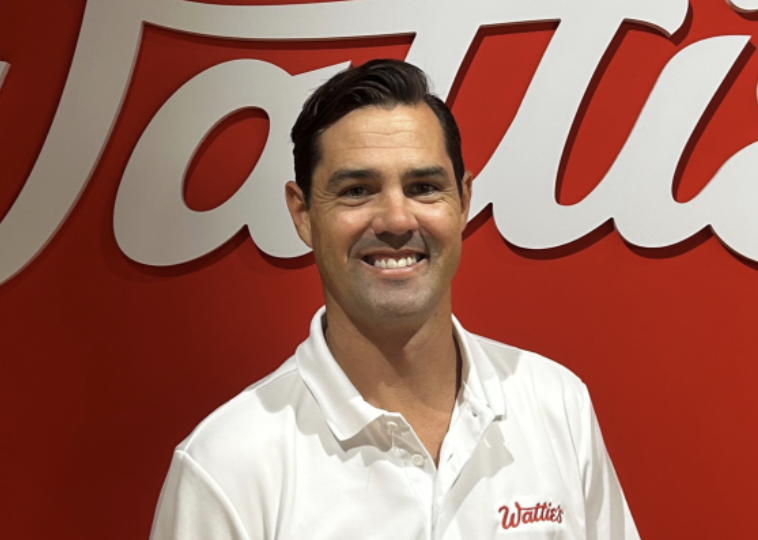
Heinz Wattie’s Managing Director Andrew Donegan / LinkedIn
Heinz Wattie’s Managing Director Andrew Donegan previously described the situation as a combination of pressures that had made some parts of the business no longer commercially sustainable.
The closure also reaches far beyond the Hornby factory gates.
When the proposal was announced, Heinz Wattie’s said about 220 growers in Canterbury and surrounding areas supplied crops to the Christchurch operation.
The company had been an important buyer of locally grown vegetables, particularly peas, and its departure from frozen vegetable production prompted concerns throughout Canterbury’s arable sector.
Inside the factory, workers were simply hoping something might happen to prevent the closure. Perrin said staff put forward ideas during the formal consultation process.
“We hoped somebody would bail us out. Somebody would come to the rescue.”
There had been speculation another processor or investor might take over the operation, but no rescue emerged.
Processing finished last week, earlier than some staff had expected. Many workers have already completed their final shifts, while the remaining factory staff will gather for lunch on Wednesday.
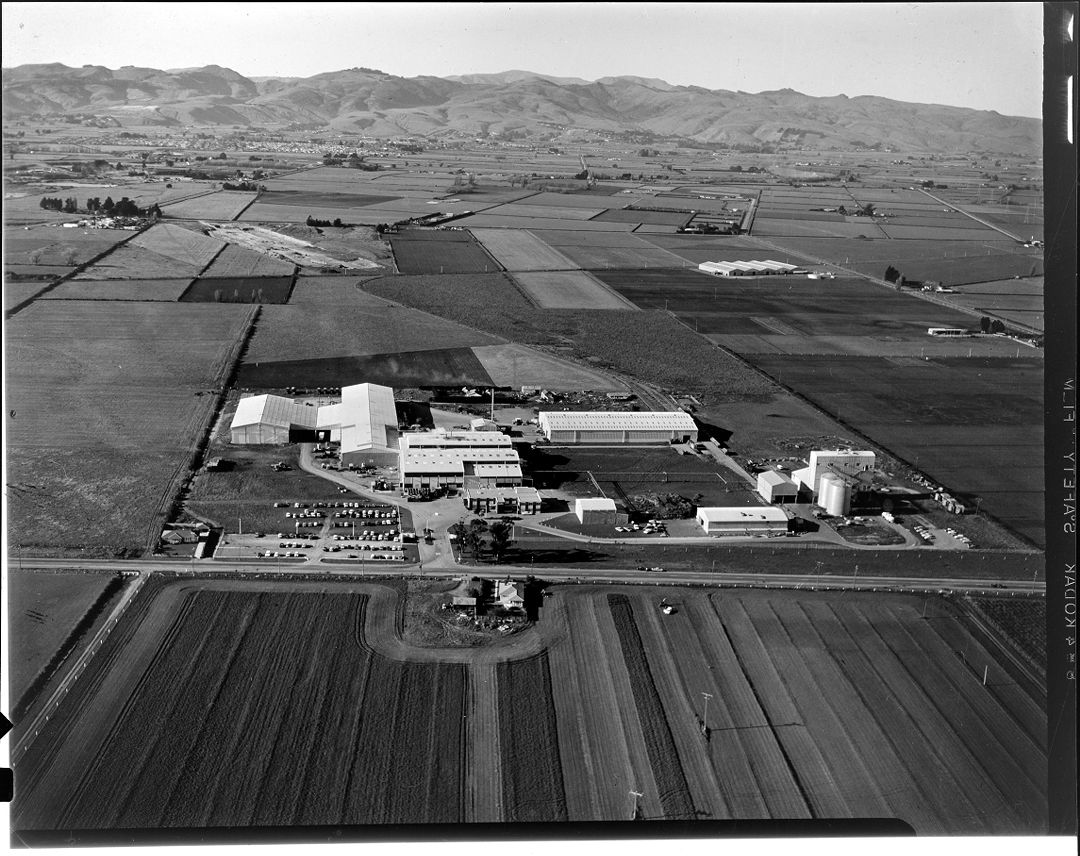
Hornby factory 1974, J Watties Canneries Ltd, Christchurch. Whites Aviation Ltd: Photographs. Alexander Turnbull Library, Wellington, New Zealand.
Perrin said the atmosphere had been deeply emotional. “A lot of our people that are in their 50s are scared of what next, where to next.”
For some, Wattie’s is the only major workplace they have known. Perrin is one of them.
“I didn’t need to go off anywhere else. I knew Wattie’s would look after me.”
Despite the circumstances, she praised management and human resources staff at the Christchurch operation for supporting workers through the final weeks.
“They have been amazing.” A job fair was held at the factory on Tuesday involving MSD and about 12 prospective employers, giving staff an opportunity to consider work beyond the plant.
Perrin said management staff were also dealing with the loss of their own jobs. Her own plans remain uncertain.
“I’m going to take a break, but then I don’t know what.”
She said retraining was one possibility, but she had always expected her career at Wattie’s to last considerably longer. “I thought I would be retiring more when I was 70 than now.”
The plant has also provided seasonal employment to generations of Christchurch workers and university students. Perrin remembered future doctors, dentists and other professionals spending their summers working at Wattie’s while studying.
“It’s been a real community for Hornby and the wider suburbs of Christchurch.” For the workers gathering together on Wednesday, the closure ends a chapter that began when the Hornby plant started processing peas in 1970.
For Perrin, it closes almost five decades of her own life.
“I have made lifelong friends.”