Escaped youth tracked by Eagle helicopter, found hiding in New Brighton
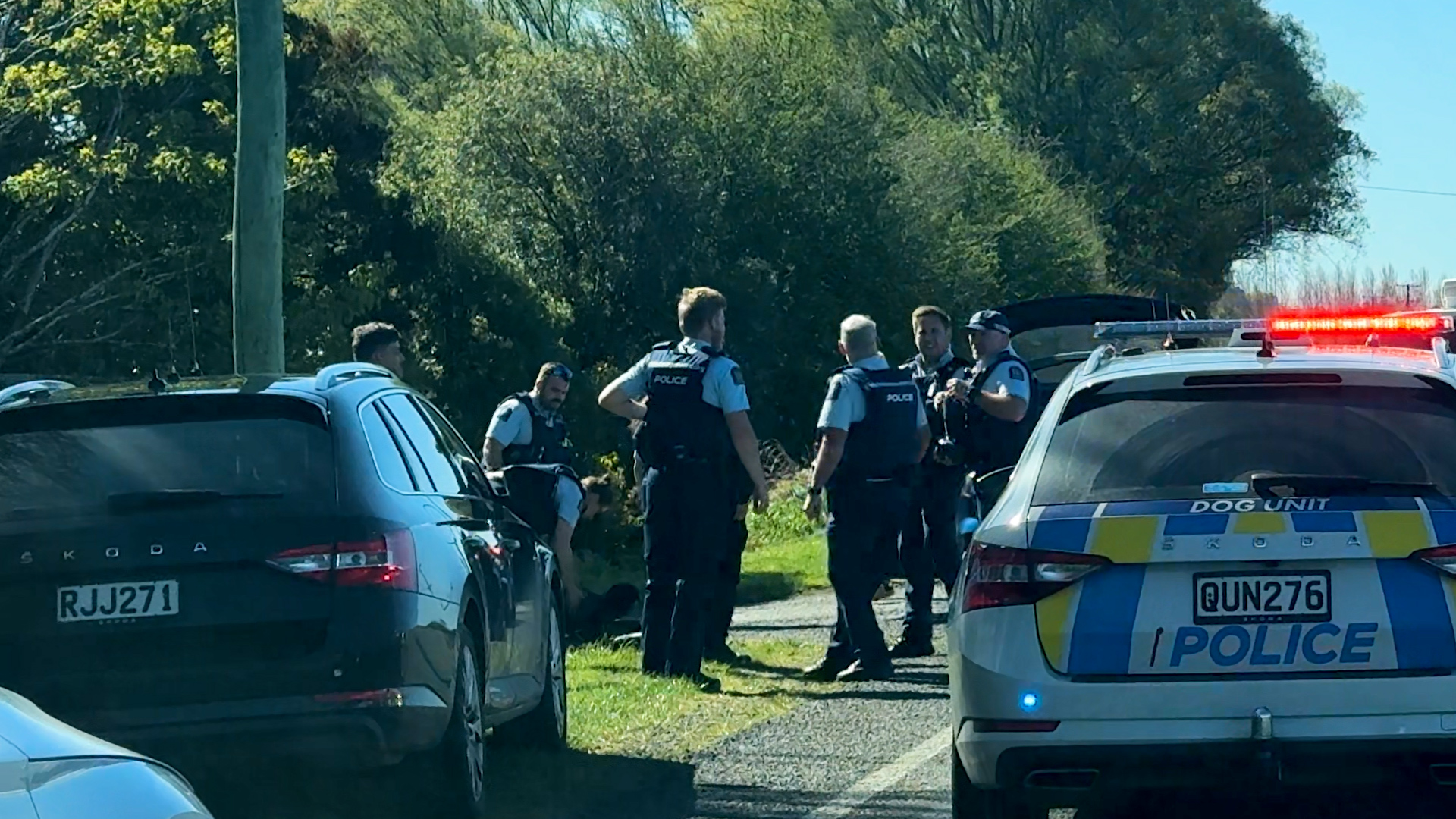
The young person who escaped from a youth justice facility in Rolleston has been located...


The young person who escaped from a youth justice facility in Rolleston has been located...

A person has been seriously injured on State Highway 75, Christchurch Akaroa Road. A police...

BodyFix Gym Christchurch in Phillipstown has taken out two major honours at the Exercise New...

Local MPs have found areas of agreement on major Resource Management Act reforms, during a...

A series of public events have been organised across Christchurch and Lyttelton over the coming...

A woman was taken to hospital after a ‘water incident’ at Parakiore Recreation and Sport...

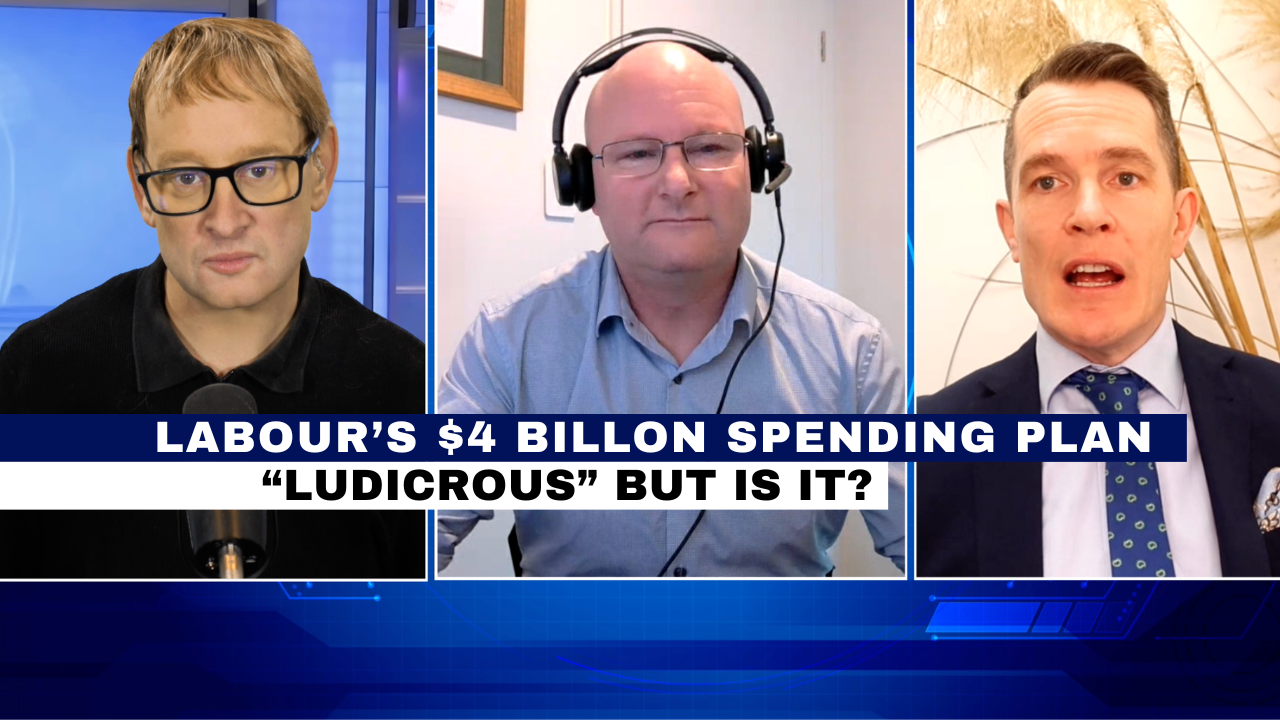
Labour MP Dan Rosewarne has accused the Government of wasting council time and ratepayer money after decisions on its Head Start local government reform programme were pushed beyond the election.
But National’s Ilam MP Hamish Campbell has defended the decision, saying councils had put forward a wide range of proposals and more work was needed before major structural changes were made.
The Government launched Head Start in May as a voluntary pathway allowing councils to propose new unitary authorities ahead of wider local government reform.
Councils were given three months to submit proposals, with Cabinet decisions originally expected in September. Those decisions have now been deferred until after the November election.
Rosewarne told Chris Lynch Media councils he had spoken with were furious.
“I don’t know what planet Hamish is on because the councils I’ve talked to are absolutely fuming by this.
“For months the Government has told councils that local government reform was a major priority. Councils responded in good faith to that three month deadline imposed on them. They spent time, resources, ratepayer money preparing for what ministers called a Head Start process.
“Now, after all of that, the Government has effectively decided nothing’s going to happen before the election.”
Rosewarne called the process “an absolute debacle” and said ratepayers were entitled to ask what they had received for the money spent.
“Labour is not opposed to local government reform. There are sensible conversations that need to be had about sharing services and getting better value for ratepayers, but those discussions need to be led locally, where locals have a say.”
The criticism has been echoed by some councils. Mackenzie District Council said it was disappointed by the delay after committing staff time and ratepayer funded resources, while Environment Canterbury said councils had spent hundreds of thousands of dollars and almost a year working on reform. Other councils have welcomed the extra time to consider the complexity of the changes.
Campbell rejected Rosewarne’s criticism and said the work had not been wasted.
“What we’ve seen is, of course, there’s been a wide range of responses from local councils, some really well thought out logical schemes, and others which probably are various different spaces along the spectrum.”
He said there was no clear agreement in Canterbury over what future local government should look like.
“There’s not really consensus of what’s the best way to go forward. We see differences between Christchurch City, Waimakariri and Selwyn.
“So this is the ability for us to do some more work to make sure that these are lasting reforms that can actually benefit New Zealand going forward.”
Campbell also turned the criticism back on Labour, pointing to the former Government’s Three Waters programme.
“You were part of a government that pushed Three Waters, which was about confiscating council assets. You wanted to merge it to four entities.
“This is a process led by local councils. They are putting forward their proposals and what they see councils should look like going forward.”
The MPs also clashed over Labour’s newly announced plan to spend more than $4 billion on social housing, schools and hospital repairs.
Labour is promising at least 6000 additional social housing places over four years, improvements at more than 2000 schools and funding to address hospital repairs.
The party says $2.9 billion of capital funding would go to Kāinga Ora, with $450 million for school improvements and $200 million for hospital remediation. Labour says the programme would be funded through future operating and capital allowances.
Campbell questioned both the funding and the level of detail behind the promise.
“This is a $4 billion policy. Where is that money going to come from? They said they’re going to discover it in operating expenses. That’s ludicrous.”
He accused Labour and other parties on the left of planning additional taxes to fund their policies and said National was instead focusing on longer term infrastructure planning.
“We don’t want the boom and bust cycles in the infrastructure sector. That’s why we’ve tasked the Infrastructure Commission to come up with a 30 year plan, so we can actually have that consistent pipeline of projects.”
Rosewarne said the spending would leave New Zealand with assets for future generations.
“The bigger point here is looking at what we’re actually investing in. This is investment that leaves something for future generations.”
When Campbell pressed him on what would actually be built, Rosewarne pointed to housing and infrastructure.
“These are important things that future generations can take advantage of, and I think that’s a good thing.”
Rosewarne said the construction industry needed a more predictable pipeline of projects after years of work stopping and starting.
“What Canterbury businesses keep telling me is that approach is hard on everybody.
“Labour’s plan is to get a consistent and sequenced pipeline of building again, things like social housing, schools, hospitals, and that allows us to support more apprentices and trainees into those skilled jobs.”
Campbell remained unconvinced.
“There is no plan. There is no way to actually pay for it.
“Dan couldn’t actually answer any specific examples of what they were going to build.”
Christchurch Hospital also came under scrutiny after Chris Lynch raised figures showing 4528 patients had been treated in emergency department corridors during the previous year, more than three times the number three years earlier.
Rosewarne said corridor treatment should never become accepted as normal.
“When people go to an emergency department, it’s usually one of the worst days of their lives. They could be injured or facing a serious medical emergency. They shouldn’t be spending hours treated in corridors.”
He blamed part of the pressure on reduced access to primary healthcare.
“People wait for things to get worse, and then they go into ED when something could have been addressed six weeks earlier had they had the opportunity to go to a GP.”
Campbell said Christchurch had one of the busiest emergency departments in Australasia and frontline staff were doing an “amazing job”.
“I don’t think anybody wants to see statistics like that.”
He said increasing hospital capacity was part of the Government’s response.
“That’s one of the reasons why we want to put 96 more beds in Christchurch Hospital. You have someone turn up to ED. If we can’t get them back out through into the hospital, it clogs up at ED.”
Campbell also pointed to greater use of nurse practitioners, telehealth and after hours services as ways of reducing pressure on emergency departments.
“There’s not one silver bullet. It’s about trying to make sure we have the efficiencies like those extra beds, so we can actually relieve the pressure on our EDs.”
Both MPs agreed the cost of living remained a major concern heading into the November 7 election, although they sharply disagreed over who was best placed to address it.
Rosewarne said conversations across North Canterbury were dominated by household costs, healthcare, jobs and uncertainty among tradespeople and small businesses.
“Families feel like every bill has gone up faster than their pay packet.”
Campbell agreed cost pressures remained significant but warned voters against what he described as a return to a “high tax, high spend environment”.
“Cost of living is a huge, huge issue.
“We need our wages to catch up to counter that. People don’t want to risk going back to a high tax, high spend environment where they know that they’re not going to get the outcomes they need.”