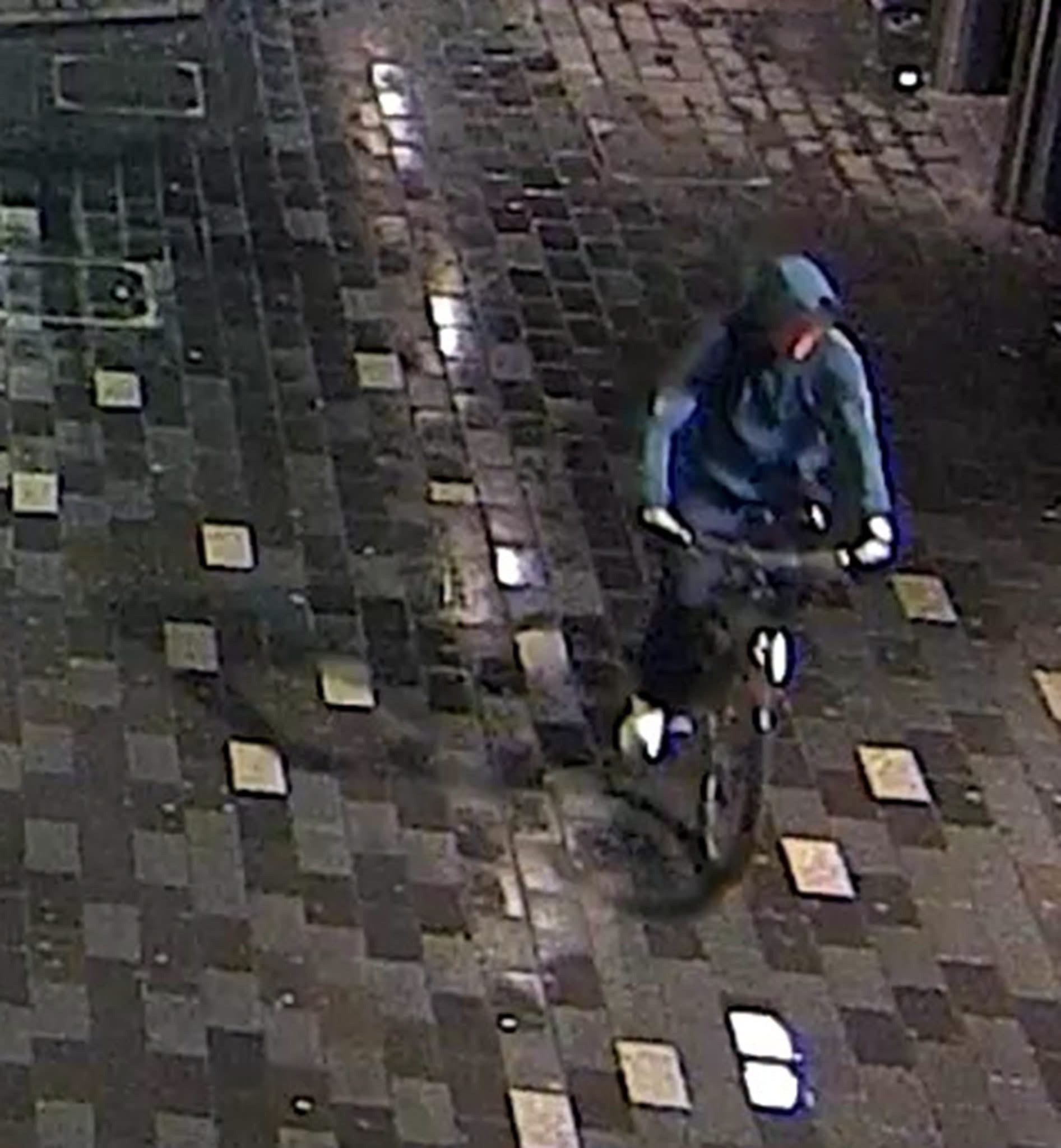
Escaped youth tracked by Eagle helicopter, found hiding in New Brighton
The young person who escaped from a youth justice facility in Rolleston has been located...


The young person who escaped from a youth justice facility in Rolleston has been located...

A person has been seriously injured on State Highway 75, Christchurch Akaroa Road. A police...

BodyFix Gym Christchurch in Phillipstown has taken out two major honours at the Exercise New...

Local MPs have found areas of agreement on major Resource Management Act reforms, during a...

A series of public events have been organised across Christchurch and Lyttelton over the coming...

A woman was taken to hospital after a ‘water incident’ at Parakiore Recreation and Sport...


A Christchurch couple faced a $132,940 bill to reclad their townhouse after buying a property with monolithic cladding, with the selling agent later found to have inadequately disclosed the potential weathertightness risks.
The Real Estate Agents Disciplinary Tribunal has upheld a finding of unsatisfactory conduct against listing agent Elliott Street over the 2018 sale.
The townhouse was one of five in a Christchurch complex built in about 1996 and 1997, with plaster over polystyrene fixed directly to timber framing and no cavity.
The vendors had a 2012 moisture report which warned weathertightness was a concern with that type of exterior cladding.
It recorded elevated moisture readings of 24 percent in part of the lounge and kitchen and 22 percent in the garage.
Street was also told about a previous garage roof leak, which the vendors said had been repaired in 2014.
Street said he discussed the cladding and the risk of water ingress with the buyers on three occasions.
The buyers disputed that account and said Street told them the cladding was “Rockcote” and “fine”.
Before they made an offer, Street emailed them the earlier moisture report and an invoice for the garage roof repairs.
But the Tribunal found his email provided no explanation or context about the potential seriousness of the weathertightness risk.
The couple bought the property for $382,000, with settlement taking place on 5 March 2019.
They did not obtain a professional building report before completing the purchase.
In 2023, the couple commissioned a weathertightness inspection which identified visible cracking, water staining, mould or lichen growth and elevated moisture levels.
The report described the exterior cladding as being in poor condition and identified several areas that were not weathertight.
The couple subsequently received a $132,940 quote to reclad the townhouse.
The Tribunal found Street knew the property had monolithic cladding and was required to do more than simply pass information from the vendors to prospective buyers.
It said he should either have obtained evidence or expert advice confirming the property was not affected by defects, or ensured the buyers clearly understood the significant potential risks so they could seek their own expert advice.
The Tribunal said simply telling the buyers the cladding was “direct fixed” was not enough.
Street should also have explained the absence of a cavity and the potential consequences for weathertightness.
His appeal against the unsatisfactory conduct finding was dismissed.
A censure and $3,500 fine imposed on Street remain in place.
However, Street successfully challenged a separate decision referring the case to the Tribunal to consider compensation.
The Tribunal found the legislation allowing that referral did not come into force until after the property transaction had been completed.