Escaped youth tracked by Eagle helicopter, found hiding in New Brighton
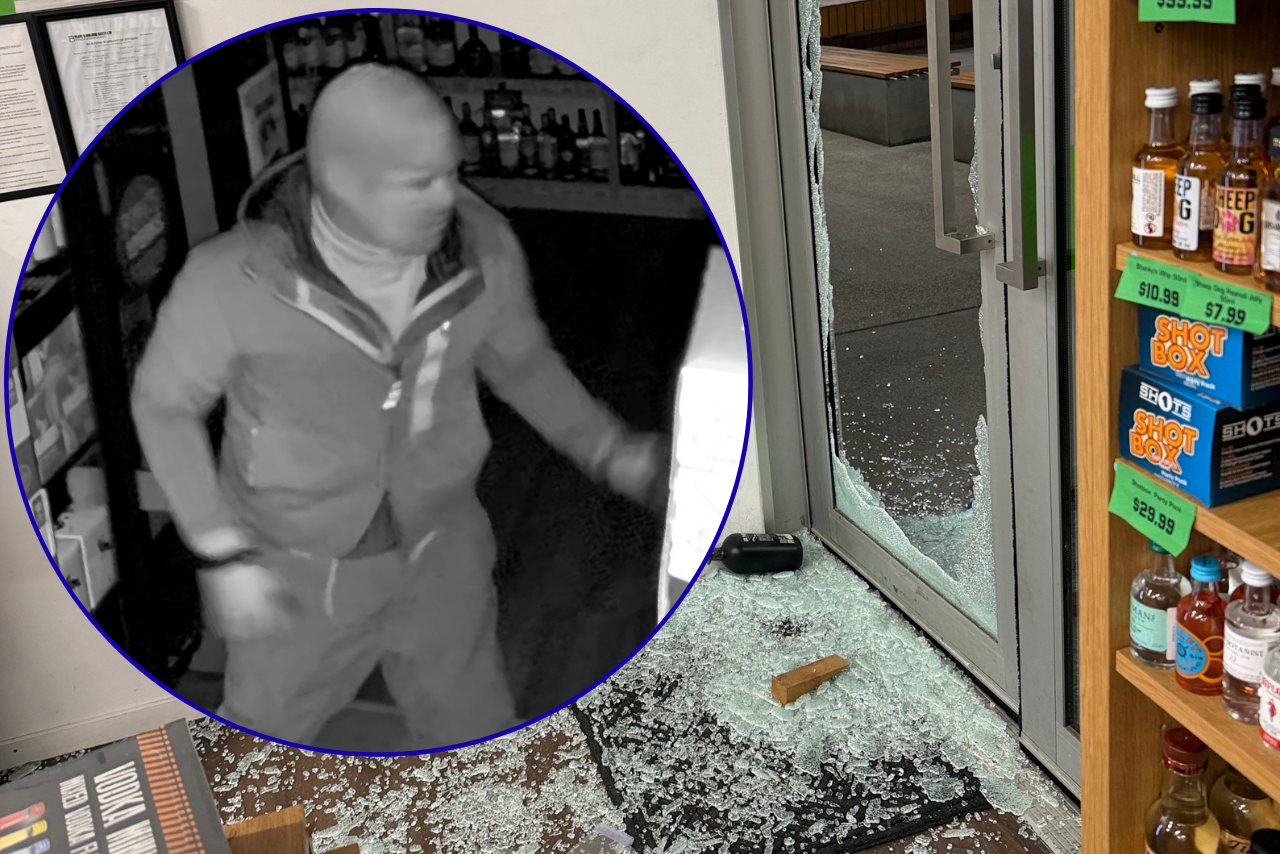
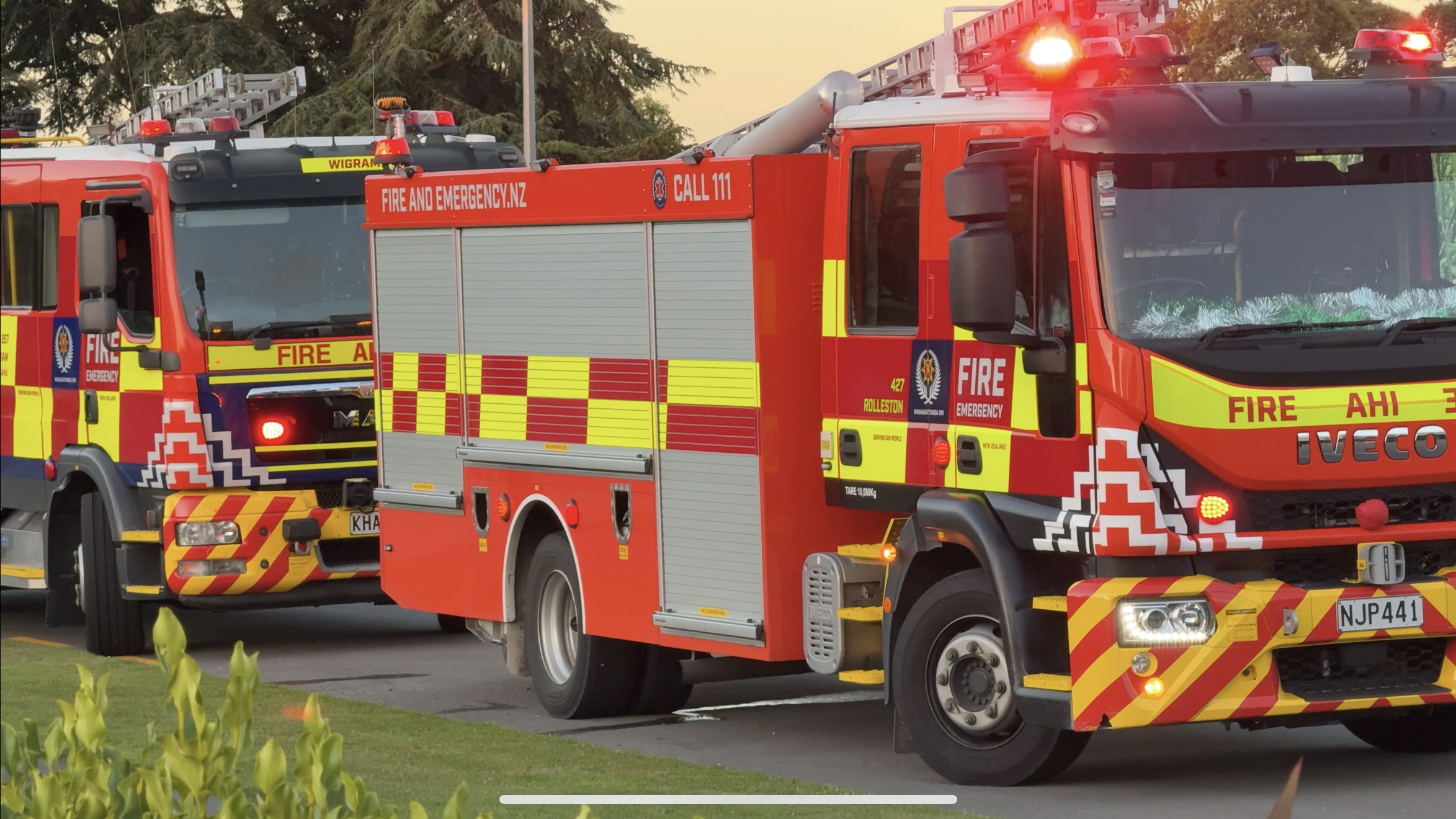
The young person who escaped from a youth justice facility in Rolleston has been located...


The young person who escaped from a youth justice facility in Rolleston has been located...

A person has been seriously injured on State Highway 75, Christchurch Akaroa Road. A police...

BodyFix Gym Christchurch in Phillipstown has taken out two major honours at the Exercise New...

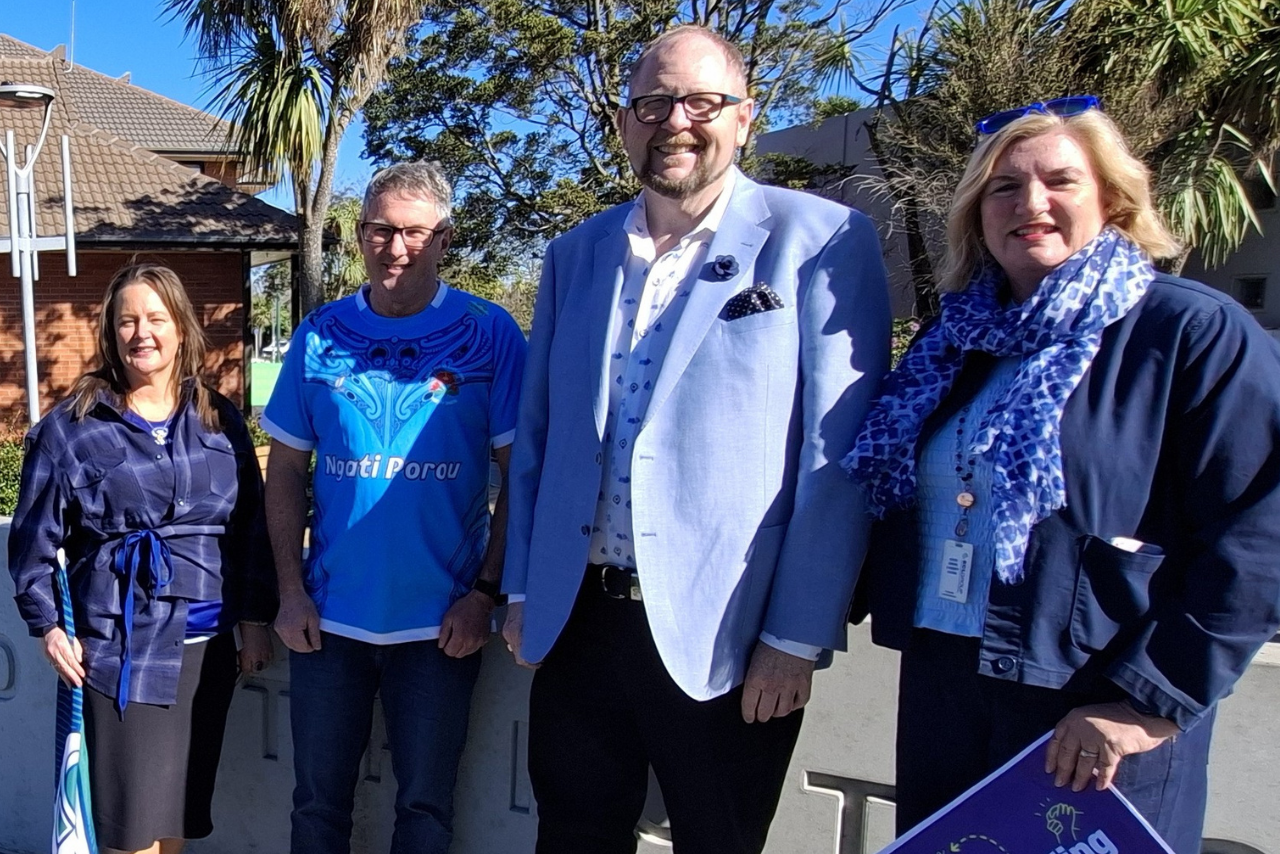
Local MPs have found areas of agreement on major Resource Management Act reforms, during a...

A series of public events have been organised across Christchurch and Lyttelton over the coming...

A woman was taken to hospital after a ‘water incident’ at Parakiore Recreation and Sport...

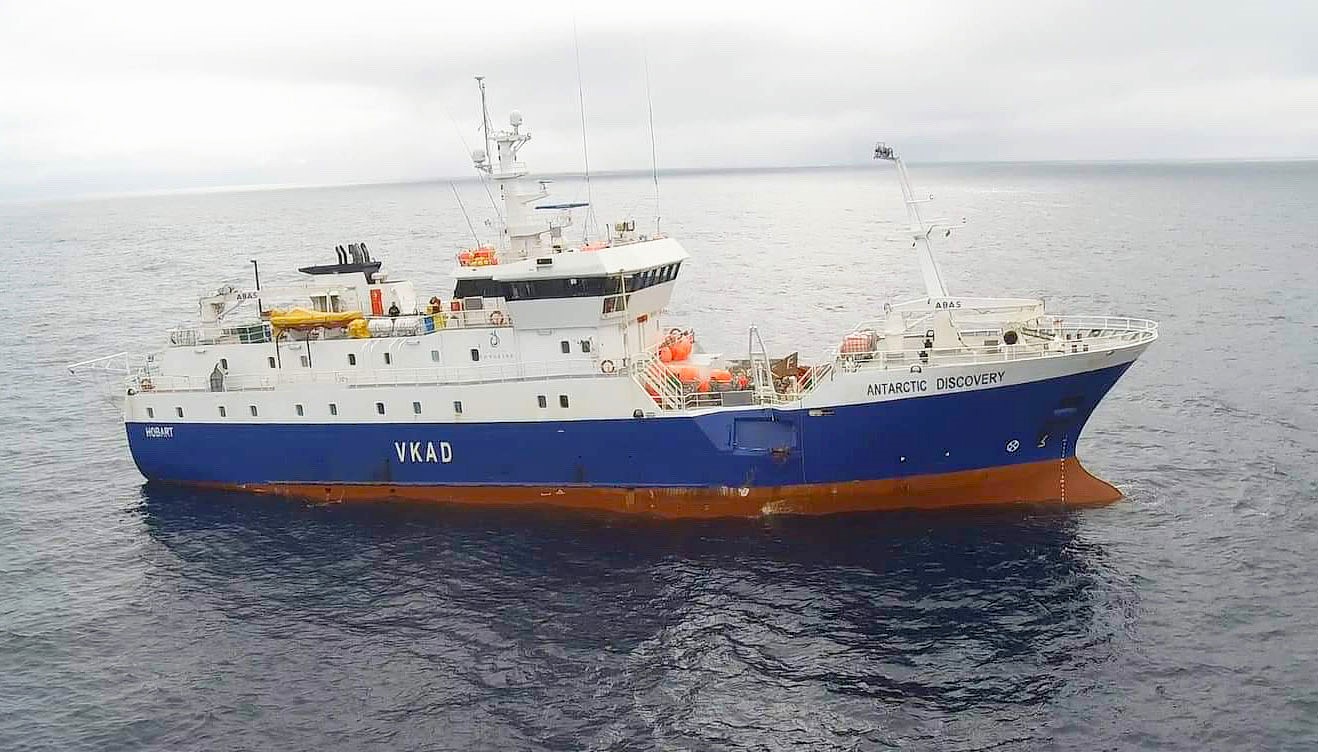
A routine maintenance job aboard a fishing vessel at Lyttelton Port became a near-fatal emergency after workers were showered with decomposing fish waste and exposed to toxic hydrogen sulphide gas.
The Transport Accident Investigation Commission (TAIC) has released its final report into the February 2025 incident aboard the Australian-registered fishing vessel Antarctic Discovery, which left four workers in hospital.
The vessel was in dry dock at Lyttelton on February 21 when two apprentice fitters climbed into the bow thruster machinery space to work on pipe components positioned behind a tank containing decaying fish offal and seawater.
About a month earlier, while the vessel was at sea, a valve used to discharge fish waste from the tank had become blocked.
The chief engineer installed a temporary hose so the waste could be pumped into another tank. However, when that work was completed, part of the hose remained connected to the offal pump, with its open end secured near the top of the ladder leading into the bow thruster machinery space.
The tank outlet remained open and the pump had not been isolated, leaving the system ready to operate.
The pipework the apprentices were working on was immediately beside the offal pump control panel.
Investigators found the panel had been painted over, obscuring its labels and the indicator light showing whether the pump was operating.
TAIC concluded it was “about as likely as not” that one of the fitters accidentally pressed the pump’s unlabelled start button.
Contaminated seawater and rotting fish waste then poured from the open hose above the workers, while toxic hydrogen sulphide gas began accumulating inside the machinery space.
With the hose positioned above their only route out, the fitters were forced to climb the ladder through the falling waste to reach fresh air.
The vessel’s superintendent went below to investigate and was briefly overcome by the gas.
The chief engineer and second engineer entered the area from another direction but collapsed.
Crew wearing breathing apparatus entered the space and rescued them.
Emergency services were called at about 9.40am. Four people were transported to Christchurch Hospital, three in a serious condition and one in a moderate condition. All later recovered.
Acting Chief Investigator of Accidents Tahlia Fisher said the accidental starting of the offal pump was the immediate cause of the emergency, but the investigation uncovered broader safety failures relevant to industries well beyond the maritime sector.
“First, it’s essential that before work begins all machinery be made safe, and that includes not just the equipment being worked on, but also nearby systems that could create danger if activated,” Fisher said.
The report found the vessel’s procedures largely focused on isolating the specific equipment being worked on, rather than identifying connected or nearby systems that could also place workers at risk.
Investigators also found the bow thruster machinery space had many of the hazards and characteristics of an enclosed or confined space, including restricted access, the potential for toxic gas to accumulate and a limited escape route.
However, the space had not been identified or managed as one.
“If a space has the hazards or characteristics of an enclosed or confined space, manage it as such, regardless of what it is called,” Fisher said.
TAIC also raised concerns about the management of risk when several organisations were working within the dry dock.
The vessel’s owner, Lyttelton Port Company and maintenance contractors all had health and safety responsibilities, but investigators found the systems in place did not adequately protect dry dock workers from hazardous liquids or gases that could be released from vessels.
Fisher said active coordination was essential when multiple organisations shared a workplace.
“Where multiple organisations are operating in the same workplace, there will be overlapping responsibilities, and safety depends on active coordination between everyone working on site,” she said.
The investigation also uncovered a separate safety concern involving modifications to the vessel’s forepeak tank.
TAIC found materials used during the modifications had compromised the vessel’s watertight integrity and potentially endangered its crew.
The work had not been approved by the vessel’s classification society and had not been identified during several classification surveys.
Australian Longline’s safety management system had also failed to ensure modifications to safety-critical systems received approval from shore-based management and the classification society before work was carried out.
“Safety-critical modifications need proper oversight with formal approval, documentation and oversight,” Fisher said.
TAIC issued three recommendations following the investigation.
Australian Longline has been told to review its safety management system and operating procedures to ensure modifications to safety-critical systems are formally approved before work begins.
Lyttelton Port Company has been asked to verify that vessel systems capable of compromising dry dock safety are isolated before a ship enters the dock and remain closely monitored throughout its stay.
The port has also been directed to improve its procedures for managing the overlapping responsibilities of companies and contractors working within the dry dock.
TAIC acknowledged Australian Longline had already introduced a range of safety improvements.
These included stronger isolation procedures, improved contractor inductions and toolbox meetings, and an updated register of enclosed and hazardous spaces.
Hydrogen sulphide detectors and cameras have been installed in the bow thruster machinery space, crew have been issued wearable gas detectors and sight glasses have been added to the offal pumping system so waste flow can be seen while the pump is operating.
Hydrogen sulphide is a highly toxic gas produced when organic matter such as fish waste decomposes.
Although it can smell like rotten eggs at low concentrations, higher levels can rapidly impair a person’s sense of smell, cause unconsciousness and lead to death.
TAIC said the accident showed the importance of isolating all potentially dangerous machinery before maintenance began, managing spaces according to their actual hazards and ensuring organisations sharing a workplace clearly coordinated their safety responsibilities.