Escaped youth tracked by Eagle helicopter, found hiding in New Brighton
The young person who escaped from a youth justice facility in Rolleston has been located...


The young person who escaped from a youth justice facility in Rolleston has been located...

A person has been seriously injured on State Highway 75, Christchurch Akaroa Road. A police...

BodyFix Gym Christchurch in Phillipstown has taken out two major honours at the Exercise New...

Local MPs have found areas of agreement on major Resource Management Act reforms, during a...

A series of public events have been organised across Christchurch and Lyttelton over the coming...

A woman was taken to hospital after a ‘water incident’ at Parakiore Recreation and Sport...

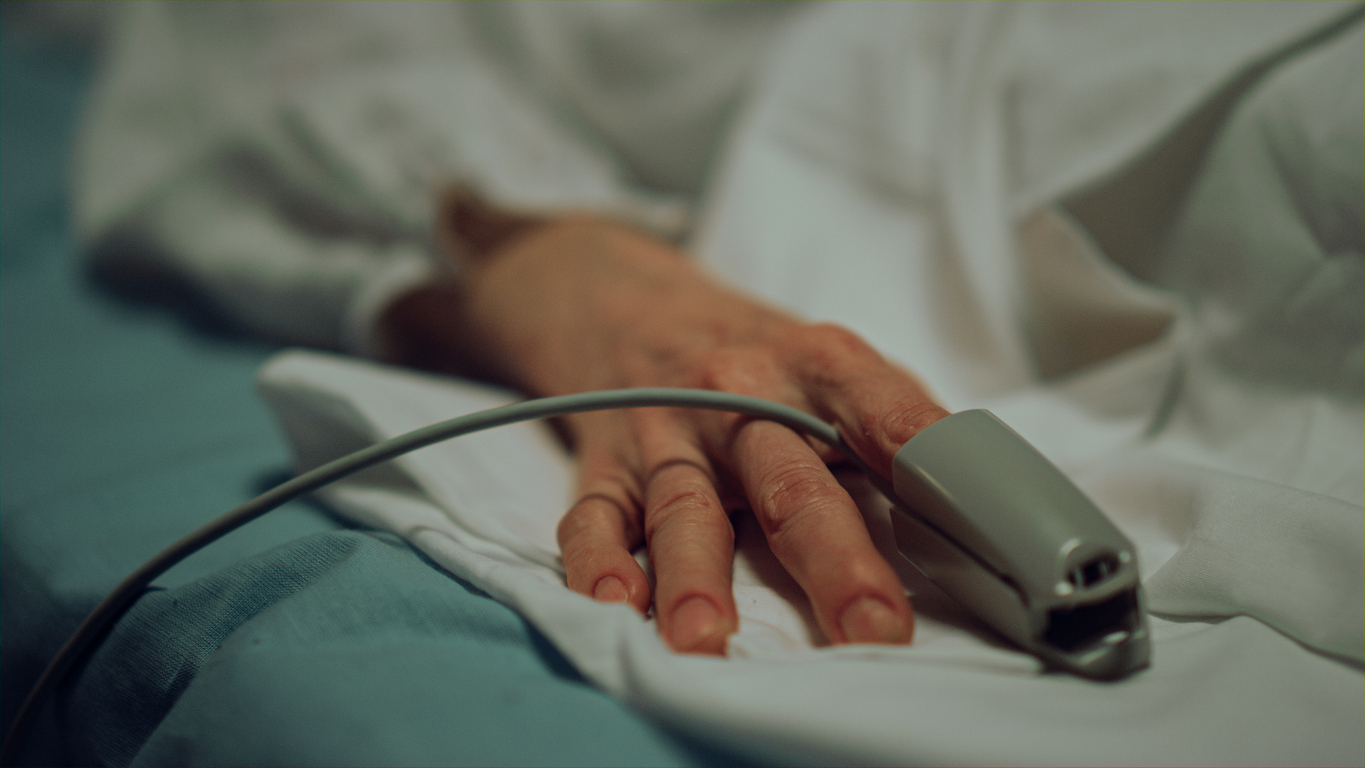
Annette Watson, 75, is receiving palliative care after bowel cancer spread to her liver, spine and lungs. She has weeks to live.
In a statement to chrislynchmedia.com, Canterbury Chief Medical Officer Dr Alan Pithie said a review was now underway. “We are very sorry for the distress this situation has caused Mrs Watson and her whānau, and we acknowledge the concerns raised about her care.”
“We have apologised to her for aspects of her care, including delays in follow up” Pithie said.
Speaking from her bed, Watson said she wanted her story made public because she feared other patients were being left in similar situations.
Watson, who has an intellectually disabled daughter and spent much of 2024 as a full time carer for her dying husband, said she was speaking out so others would not face the same outcome.
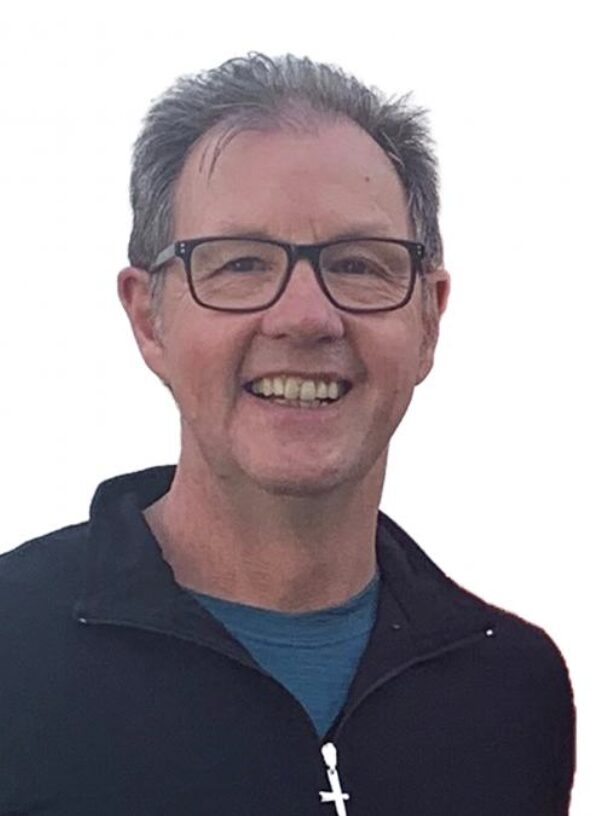
Canterbury Chief Medical Officer Dr Alan Pithie
She was diagnosed with bowel cancer in 2024 while caring for her husband, who was undergoing chemotherapy for stomach cancer.
Watson had surgery on September 18, 2024, and said she was told she was cancer free. “When the doctor comes in and says to you, ‘That’s good, you’re fully clear, no sign of cancer,’ you take their word for it, don’t you?” Watson said. “What do you take from that? You’re cancer free.” She said there was no discussion at the time about further follow up appointments with a specialist.
Dr Pithie said “Following surgery for stage 1 colon cancer in September 2024, Mrs Watson’s results were favourable and no further treatment was required,” Pithie said. “She was enrolled in a clinical nurse specialist led surveillance programme, with regular blood tests and clinic reviews that occurred as planned.”
However, Pithie acknowledged a check that should have happened at the one year mark was six months late. “A surveillance colonoscopy, due at 12 months, was completed in March 2026 and was normal. “We acknowledge this wait and apologise for this delay.”
“An 18 month CT scan was completed on time and identified findings suspicious for metastatic disease in the liver.”
Watson said she was feeling fine at the time. “It was just because of this follow up scan that they found a lesion on the liver,” she said. A biopsy was carried out, but Watson said four weeks passed and she was never told the result. “I never heard a thing, Chris,” she said.
“Mrs Watson was contacted to discuss these findings and a liver biopsy was arranged,” Pithie said. “However, we acknowledge a formal letter could also have been sent.”
Weeks later, her close friend Janice Bateman took her to hospital after Watson became seriously unwell. “I was screaming with pain every time I coughed or went to stand up,” Watson said. “It would catch me and I couldn’t breathe.”
That admission, she said, was when she learned the truth. “This was the first thing that was said to me, the cancer had metastasised. “I hadn’t heard anything regarding my liver biopsy and this was four weeks on since the liver biopsy had been taken.”
Shortly afterwards, Watson received a letter saying she had been referred to oncology for an assessment and was on a 10 week waiting list. “This is after I’d been in hospital screaming with pain,” she said.
Bateman said Watson had still not been told the biopsy result when the oncology letter arrived. She rang oncology after Watson continued to deteriorate. “I said, ‘I have a woman here who is in excruciating pain, and I have no alternative other than to take her back into hospital again,'” Bateman said.
She said she was told Watson could not be moved up the list. “The only option would be to go back to her GP, who would then write a letter to oncology requesting the urgency of this appointment. This letter would have then been triaged, and I was told more than likely she would be unable to be moved up the chain due to the backlog and demand for oncology appointments.”
Bateman said she challenged the response. “I said, ‘In other words, what you’re saying to me is you’re sending people home to die.'”And the response was, ‘Well, virtually, yes.”
“Mrs Watson received treatment through Radiation Oncology in May to help manage her symptoms, and was seen by a Medical Oncology specialist on 27 May 2026,” Pithie said.
“This six week wait is longer than we would like, and we apologise for the delay. While the wait was not acceptable, clinical advice is that it is unlikely to have altered Mrs Watson’s overall treatment pathway at that stage.” Bateman rejected that assessment. She believes Watson may have had a chance of survival if she had been followed up earlier.
“I am finding it quite hard to believe that when someone has had bowel cancer there is no follow up as in this case. This can be a silent killer and quite often the possibility of the primary cancer metastasising in time is a very real possibility.
“In this case, if Annette had been monitored and followed up accordingly, as one would expect from Christchurch Hospital Oncology, she would have had a fighting chance of survival.”
Watson said further scans showed lesions on her spine and lungs. “I’ve had two MRI scans. I’ve got lesions on my spine which are crumbling like discs. That’s where all the pain was coming from. I’ve got lesions through to the lungs.”
Doctors told her chemotherapy is no longer an option. “They said my body won’t take it.”
Watson said some of the doctors now treating her had acknowledged how difficult her situation had been. “The doctors in here have said to me, you’ve had a rough deal. “But it’s not just happening to me. It’s going on all over the place.”
“We recognise that waiting for appointments and results is extremely difficult for patients and their families,” Pithie said. “We are actively working to improve access to services by increasing capacity, strengthening coordination across the region, and reducing waiting times wherever possible.
“We are also reviewing aspects of Mrs Watson’s care, including the timing of surveillance and communication with the patient, to ensure improvements are made.”
Bowel Cancer New Zealand Chief Executive Peter Huskinson said the organisation’s thoughts were with Watson and her family at what was clearly an incredibly difficult time. “Her story shows how important timely follow up, clear communication and access to specialist care are for people affected by bowel cancer.
“Waiting for results, appointments or information about next steps can be an extremely stressful and uncertain time for patients and their loved ones, particularly when there are concerns about cancer recurrence or progression. We know navigating the health system can be challenging for some patients and families, which is why clear communication and support are so important,” Huskinson said.
“No patient should feel left in the dark about what is happening with their care. Patients should feel informed about their care, understand what happens next, and know who to contact if they have questions or concerns. We would encourage anyone who is worried about delays, has concerns about their care, or experiences a change in symptoms while waiting for an appointment to contact their healthcare team and continue to seek answers until they have the information they need. Support and advocacy services are also available to help patients navigate the system,” he said.
“Every bowel cancer patient deserves timely, coordinated care and confidence that they understand what is happening at every stage of their journey. People affected by bowel cancer should be able to trust that their concerns will be taken seriously, their questions will be answered, and they will be kept informed about what happens next.”
Watson said it was too late for her, but she wanted others to understand what could happen.
“It’s too late for me now. I just want this brought to the attention of what can happen if you’re told one thing and nothing happens.
“I would never have got to that first oncology appointment. I would have been dead.
“Now tell me how we explain that to my intellectually handicapped daughter, who spends every weekend with me and is still adjusting and grieving the passing of her father.”