Escaped youth tracked by Eagle helicopter, found hiding in New Brighton
The young person who escaped from a youth justice facility in Rolleston has been located...


The young person who escaped from a youth justice facility in Rolleston has been located...

A person has been seriously injured on State Highway 75, Christchurch Akaroa Road. A police...

BodyFix Gym Christchurch in Phillipstown has taken out two major honours at the Exercise New...

Local MPs have found areas of agreement on major Resource Management Act reforms, during a...

A series of public events have been organised across Christchurch and Lyttelton over the coming...

A woman was taken to hospital after a ‘water incident’ at Parakiore Recreation and Sport...

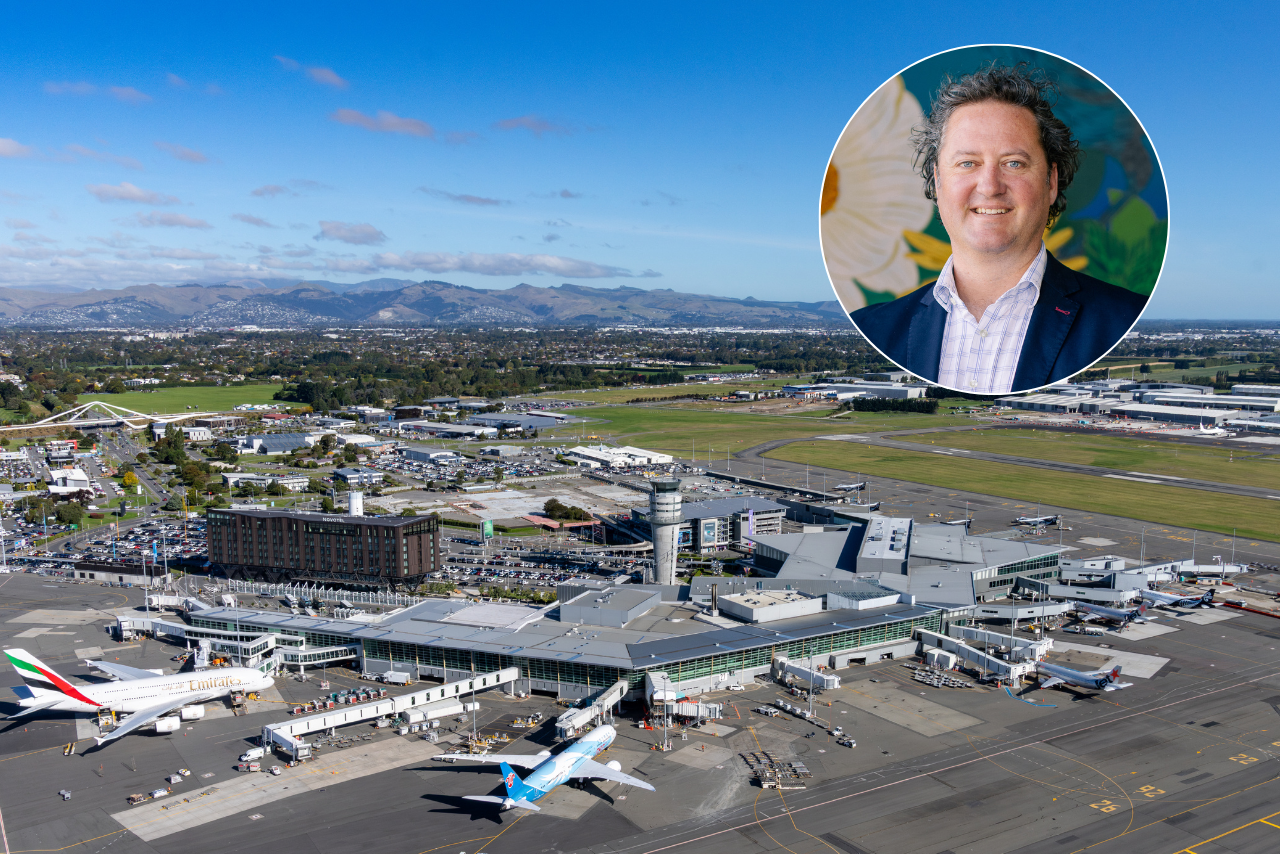
Environment Canterbury chair Deon Swiggs has accepted that elected regional councils will not survive the Government’s sweeping local body shake up, saying the question now is not whether change is coming, but what shape Canterbury’s new system will take.
Speaking after RMA Reform Minister Chris Bishop and Local Government Minister Simon Watts unveiled a three month “Head Start” pathway for councils to lead their own reform, Swiggs described the announcement as “fighting words” from the Government, while noting the core message was largely a repackaging of signals sent three months ago.
“Regional councils are gone,” he said. “Regardless of which track goes, Head Start or the other process, regional councils, the elected membership won’t be there after 2028.”
Swiggs said the value in the announcement was clarity. The Government has set out two routes. Smaller regions ready to move can use the Head Start pathway, putting forward proposals to amalgamate into a unitary authority in time for the 2028 local elections. Regions that don’t, or can’t, will fall under a longer backstop process, which is expected to kick off in 2028 and deliver change at the 2031 local elections.
For Canterbury, the picture is still wide open. “In larger regions like Canterbury, for example, they’re saying there could be one or two, or up to three unitary regional unitaries within that region, or probably sub regional unitaries,” Mr Swiggs said.
He said the conversation between Canterbury’s councils was only just beginning.
“We need to work with our TAs to figure out what that potentially looks like. Whether that’s Christchurch that wants to go alone, or the region itself wants to go alone, or one big regional unitary. We haven’t had those conversations as a region at this stage.”
One positive Swiggs took from the announcement was the Government’s acknowledgement that many of the services delivered by regional councils work best at a regional scale.
“Civil defence, flood management, water management, public transport, pest management, biosecurity, biodiversity. The Government has said through that function review, those functions are best delivered at a regional scale.”
He said that recognition was reassuring, but the real test would be making sure those functions were properly carried into whatever new structure emerged.
“What the Government is saying is moving towards, hey look, we respect and recognise that a lot of these functions are delivered best at a regional scale. Now we want to make sure that whatever else local government does can fit into that parameter.”
Swiggs said one of the toughest questions ahead was how to protect the identity and voice of Canterbury’s smaller communities under a larger unitary model.
“I’m thinking the likes of Kaikoura or Waimate, especially in our region. They are smaller communities but they’re very proud communities. They’ve got a very distinct identity. How do you talk to those communities, or talk about those communities, in a larger scale unitary model, so that they don’t lose that identity?”
He said the future of community boards across the region would also need close examination.
“Do we have a whole lot of community boards across the region, for example? These are all questions that we haven’t asked yet, but we’re going to have to be forced into asking and talking about those in the very near future.”
Under the Government’s plan, regional councils themselves will not have a vote on the new arrangements. That power will sit with Canterbury’s 10 territorial authorities. “We are basically there to provide support, guidance, technical detail,” Swiggs said. “The voting side of this, when it comes to the crunch, will be with the territorial authorities.”
Sitting regional councillors will keep their roles until the 2028 local elections. Regions that take the Head Start pathway will see voters electing new regional unitary councils at that election. Regions that don’t are likely to have a board, possibly made up of mayors, appointed to govern regional functions while reorganisation is worked through over the following term.
Swiggs said his message to staff and fellow councillors was simple.
“Deliver, deliver, deliver. In light of what’s coming in the reform, so that when the reform does take shape, these functions aren’t lost. Especially the environmental functions. The environment is really important. We don’t want to lose sight of that.”
He said environmental protection, public transport and the regional council’s other core responsibilities had to remain front of mind for whoever ended up running them.
“We need to make sure that when the reforms take into those unitaries, or the regional unitaries or sub regional unitaries, that the environmental protections, the public transport, all of those things, are front of mind for whatever new governance comes.”