Escaped youth tracked by Eagle helicopter, found hiding in New Brighton
The young person who escaped from a youth justice facility in Rolleston has been located...


The young person who escaped from a youth justice facility in Rolleston has been located...

A person has been seriously injured on State Highway 75, Christchurch Akaroa Road. A police...

BodyFix Gym Christchurch in Phillipstown has taken out two major honours at the Exercise New...

Local MPs have found areas of agreement on major Resource Management Act reforms, during a...

A series of public events have been organised across Christchurch and Lyttelton over the coming...

A woman was taken to hospital after a ‘water incident’ at Parakiore Recreation and Sport...

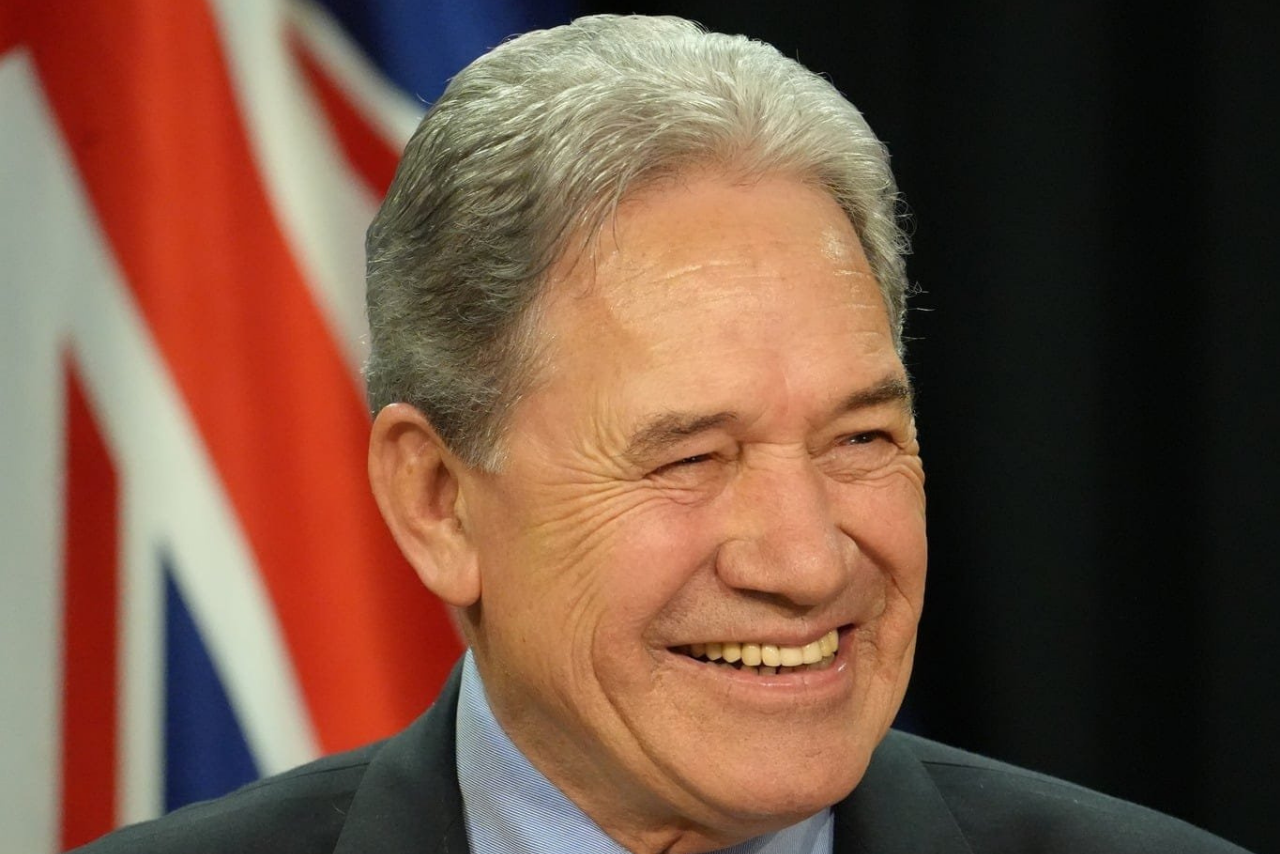
The Media Council has upheld a complaint by Winston Peters against The Post, ruling that an article claiming the Cook Strait ferry replacement project was $167 million over budget was inaccurate and misleading.
The decision found the article breached Principle (1) Accuracy, Fairness and Balance and Principle (6) Headlines and Captions.
The Post article, published on 11 March 2026, ran under the headline “Cook Strait ferry project $167m over budget and key port deals still unsigned.”
It reported that newly released Treasury and Ferry Holdings Ltd documents showed the replacement programme was over its budget. The claim was based on a current cost estimate of $1.867 billion exceeding what the article described as a $1.7 billion Crown tagged contingency.
Peters, complained that the article contained a significant factual error.
He said the reporter had confused the total programme budget of $1.867 billion with the upper limit of the Crown’s contribution, which is $1.7 billion.
The difference would be met by the ports for assets they will own, as the government had announced in November 2025.
“It is not possible for a budget to remain exactly the same but be reported as being ‘over budget’,” Mr Peters said in his complaint. “Presenting the difference between these numbers as ‘over budget’ when the budget is totally unchanged is misleading and inaccurate journalism.”
He pointed out that no other media outlet had run the over budget angle and said the error could have been avoided if the reporter had sought comment from the responsible Minister, Ferry Holdings, CentrePort or Port Marlborough before publication.
Peters said his Senior Press Secretary approached the reporter three hours after publication to request a correction, but the reporter replied, “I disagree.”
A follow-up phone call from his Rail Private Secretary was declined because the reporter was on deadline. The Post’s editor later told the Press Secretary she stood by her journalist, prompting Peters to take the matter to the Media Council.
The Post’s editor rejected the complaint in full, saying there was no material inaccuracy and that the disagreement was one of interpretation rather than factual error.
She argued that where estimated costs exceed confirmed and secured funding, it was reasonable to characterise a project as being over budget or under budget pressure.
“That characterisation reflects standard reporting practice on infrastructure projects and is grounded in the documentary record,” she said.
The editor said the article was based on proactively released cabinet papers and agency documents, and that news organisations were not required to seek comment when reporting was grounded in official sources.
She said The Post had offered Peters the chance to provide a quote, but none was supplied on the day.
She also noted that scrutiny of major infrastructure spending was a matter of national significance and pointed to separate Post reporting which showed the Minister’s widely quoted $596 million fixed price contract for two ferries could reach $715.9 million once contingencies, exchange rates and delivery costs were factored in.
The Council disagreed with The Post’s interpretation.
It found there was no evidence the project was over budget, noting the cost estimate of $1.867 billion in the newly released documents was identical to the figure the government itself announced in November 2025.
“The article reads as if the $1.867b estimate is an over-spend of the government’s $1.7b allocation. It is not. It is simply a restatement of the total project cost,” the Council said.
The Council ruled that The Post had either misread the current cost estimate in the new documents or misunderstood the government’s November 2025 announcement. Both the article and the headline were inaccurate and had misled the public, it found.
While the Council accepted that the total project cost exceeds the Crown’s funding and that the total budget relies on port companies and councils contributing as expected, it said this was well known and did not amount to the project being over budget.
On the question of balance, the Council found The Post had properly offered Peters a right of reply in the article itself.
It noted the Minister’s office had sent a letter to The Post’s letters inbox the day after publication and followed up two working days later, but the correspondence was directed to the publication’s spam folder and went unpublished. Letters to the editor are published at an editor’s discretion, the Council said, so the failure to publish did not breach any Media Council Principles.
The Council also said that while reporters often rely on official documents without seeking comment, the confusion in this case could have been avoided had the reporter rung any of the relevant parties to check her facts.