Escaped youth tracked by Eagle helicopter, found hiding in New Brighton
The young person who escaped from a youth justice facility in Rolleston has been located...


The young person who escaped from a youth justice facility in Rolleston has been located...

A person has been seriously injured on State Highway 75, Christchurch Akaroa Road. A police...

BodyFix Gym Christchurch in Phillipstown has taken out two major honours at the Exercise New...

Local MPs have found areas of agreement on major Resource Management Act reforms, during a...

A series of public events have been organised across Christchurch and Lyttelton over the coming...

A woman was taken to hospital after a ‘water incident’ at Parakiore Recreation and Sport...
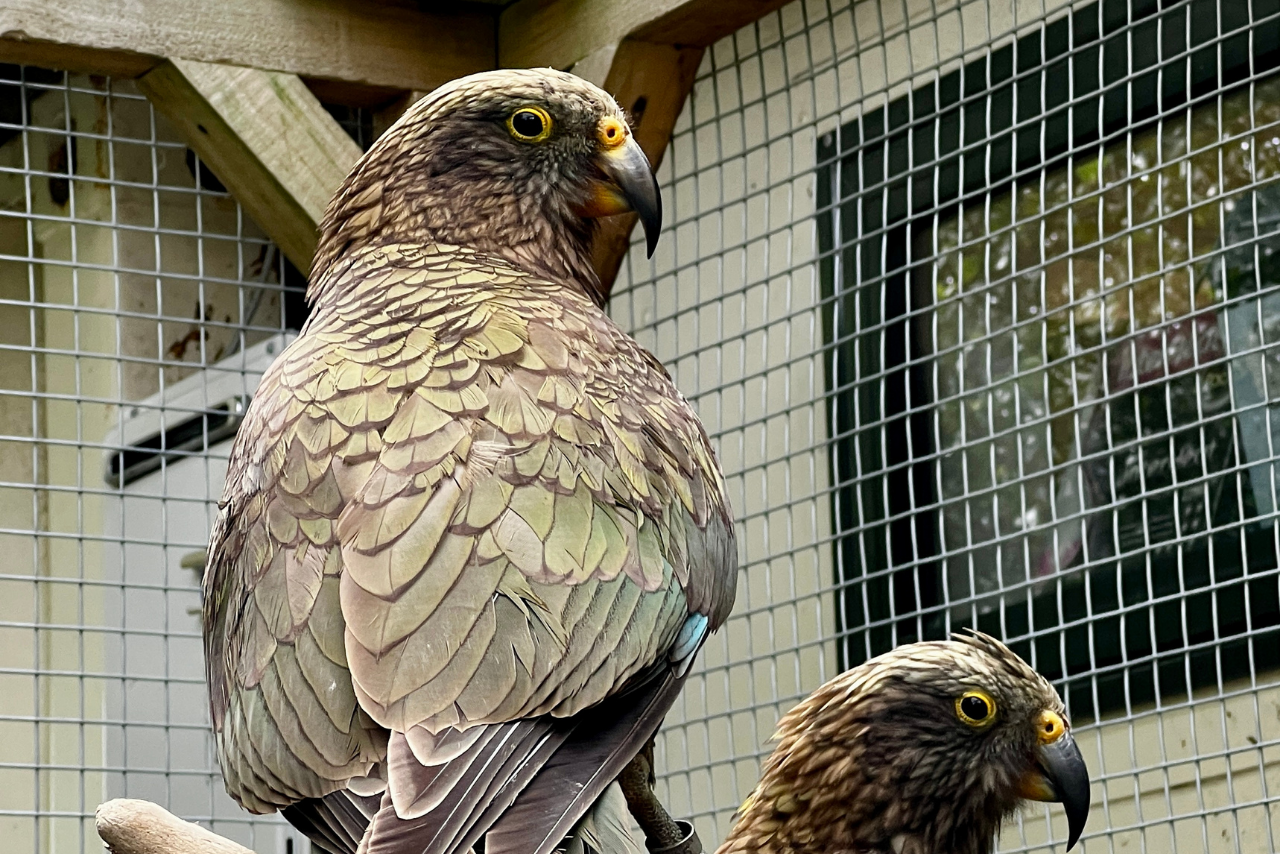
Conservation authorities are urging South Westland residents to help protect kea after five of the native alpine parrots were hospitalised for lead poisoning in recent weeks, with one of the birds dying and another found dead in the community.
The five kea were taken from South Westland towns to the South Island Wildlife Hospital for treatment. Four have since been treated and released, while one did not survive.
Kea ingest lead when they chew on lead roofing materials found on older buildings, including flashings and lead head nails, and when they scavenge the carcasses of wild animals killed with lead shot.
In hospital, the birds undergo chelation therapy to remove lead from their system. Treatment is only effective within a narrow window after exposure. Once lead is deposited in the bones it cannot be removed, and in younger birds it can also interfere with brain development.
Lead is highly toxic to kea and can affect almost every major organ system. The birds are naturally inquisitive, and because lead is soft and tastes sweet to them, they will chew on lead based materials found in their habitat.
More than 800 kea had blood samples tested for lead between 2006 and 2022. Of those, 84 percent had some lead detected, indicating exposure, and 23 percent had toxic blood lead levels.
Department of Conservation Ranger Tracey Dearlove said the risks to curious kea were complex and often linked to the birds scrounging for human food.
“When kea get easy access to human foods, through unsecured rubbish, compost bins or people feeding them, they quickly learn to scrounge. Once they associate people with food, they are more likely to hang around houses, eat lead on old buildings and cause damage to property. This also makes them more vulnerable to other risks, such as being hit by cars,” she said.
“We work with local communities to help people with kea proofing their properties. The three golden rules are: remove all access to food, remove all sources of lead, and make your property as boring as possible to kea.”
Dearlove said securing rubbish and compost bins was critical.
“If kea access food even once it can alter their behaviour, and what happens at one property can have flow on effects for neighbours across the community. When people are out naturing they can also make sure that kea don’t get access to their food, and spread the word to others who may not know.”
Both DOC and the Kea Conservation Trust have work underway to reduce sources of lead in kea habitat. Lead shot is no longer used in work to control tahr, and lead is progressively removed from DOC structures as backcountry buildings are maintained. At least 125 DOC structures have had lead removed in the last 18 months.
Financial assistance from the Kea Conservation Trust is available to individuals and businesses wanting to remove lead from their buildings in areas with kea.
The trust has been leading work to remove lead from private dwellings, working with property owners throughout the South Island, including the Tasman District (St Arnaud, Abel Tasman and Golden Bay), Arthur’s Pass, Aoraki/Mt Cook, Ōkārito, Franz Josef, Fox Glacier, Haast, Mount Aspiring and Milford Sound. Since the start of the trust’s programme, the equivalent of more than 500 buildings have been made lead free, removing four tonnes of lead from the environment.
DOC and the Kea Conservation Trust also provide advice and support when kea are getting into things they shouldn’t. Practical solutions can include covering rubber boots on chimney flues or using extended ridge capping so kea cannot chew soft weather strips.
People needing support with inquisitive kea in their community can contact 0800 DOC HOT or the Kea Conservation Trust at [email protected].