Escaped youth tracked by Eagle helicopter, found hiding in New Brighton
The young person who escaped from a youth justice facility in Rolleston has been located...


The young person who escaped from a youth justice facility in Rolleston has been located...

A person has been seriously injured on State Highway 75, Christchurch Akaroa Road. A police...

BodyFix Gym Christchurch in Phillipstown has taken out two major honours at the Exercise New...

Local MPs have found areas of agreement on major Resource Management Act reforms, during a...

A series of public events have been organised across Christchurch and Lyttelton over the coming...

A woman was taken to hospital after a ‘water incident’ at Parakiore Recreation and Sport...

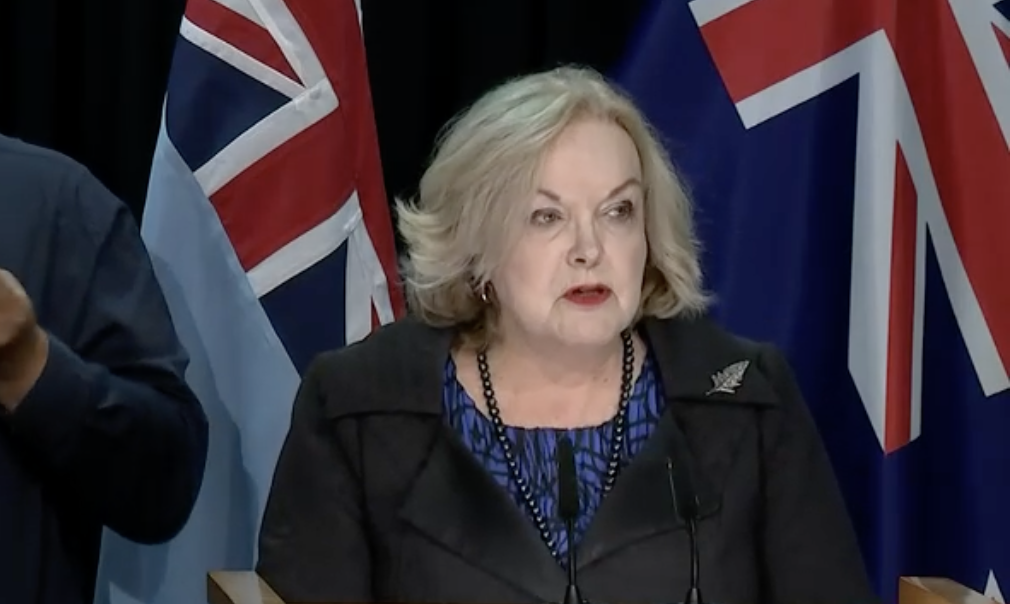
New Zealand and Australia have unveiled a long term plan to deepen military cooperation, with both countries aiming to operate as a more integrated Anzac force by 2035.
The announcement followed talks in Canberra between Australia’s Deputy Prime Minister and Defence Minister Richard Marles and New Zealand Defence Minister Judith Collins.
The joint statement, titled Operationalising the Australia New Zealand Alliance Anzac 2035, reaffirmed both nations’ commitment to their longstanding defence relationship, which dates back to the 1915 Gallipoli landings and was formalised through the 1951 ANZUS Treaty.
Both ministers said the alliance remained central to regional security as the Indo Pacific faces increasing strategic uncertainty.
“We share a long history grounded in democratic values, an enduring commitment to multilateralism and international law, and our collective commitment to a peaceful, stable and prosperous Indo Pacific region.”
Under the Anzac 2035 vision, the New Zealand Defence Force and Australian Defence Force will work toward seamless integration across operations, training, and capability development while maintaining national sovereignty.
The plan includes expanding joint military exercises and increasing the complexity of combined operations to improve readiness.
“Operate and exercise as a more integrated Anzac force alongside other allies and partners.”
Both countries also intend to deploy more integrated units and embed personnel within each other’s command structures.
A key focus will be improving force posture, allowing troops from both nations to train and operate more frequently from each other’s territory.
The agreement also places emphasis on defence industry cooperation, with both countries exploring opportunities to co develop and sustain shared military capabilities, including logistics, supply chains, and advanced technologies.
Resilience and preparedness have been identified as priorities, particularly in sustaining military operations over time and responding to evolving security challenges.
“Increase Pacific defence force interoperability across a range of military tasks.”
Plans include expanding joint operations, strengthening maritime security, and enhancing disaster response capabilities.
The statement said both countries would continue to work through regional frameworks to support Pacific led approaches to security.
Implementation will be overseen through ongoing defence consultations, with working groups tasked with delivering outcomes across each area of cooperation.
The alliance framework will be regularly reviewed to ensure it remains responsive to emerging threats and strategic shifts in the region.