Escaped youth tracked by Eagle helicopter, found hiding in New Brighton
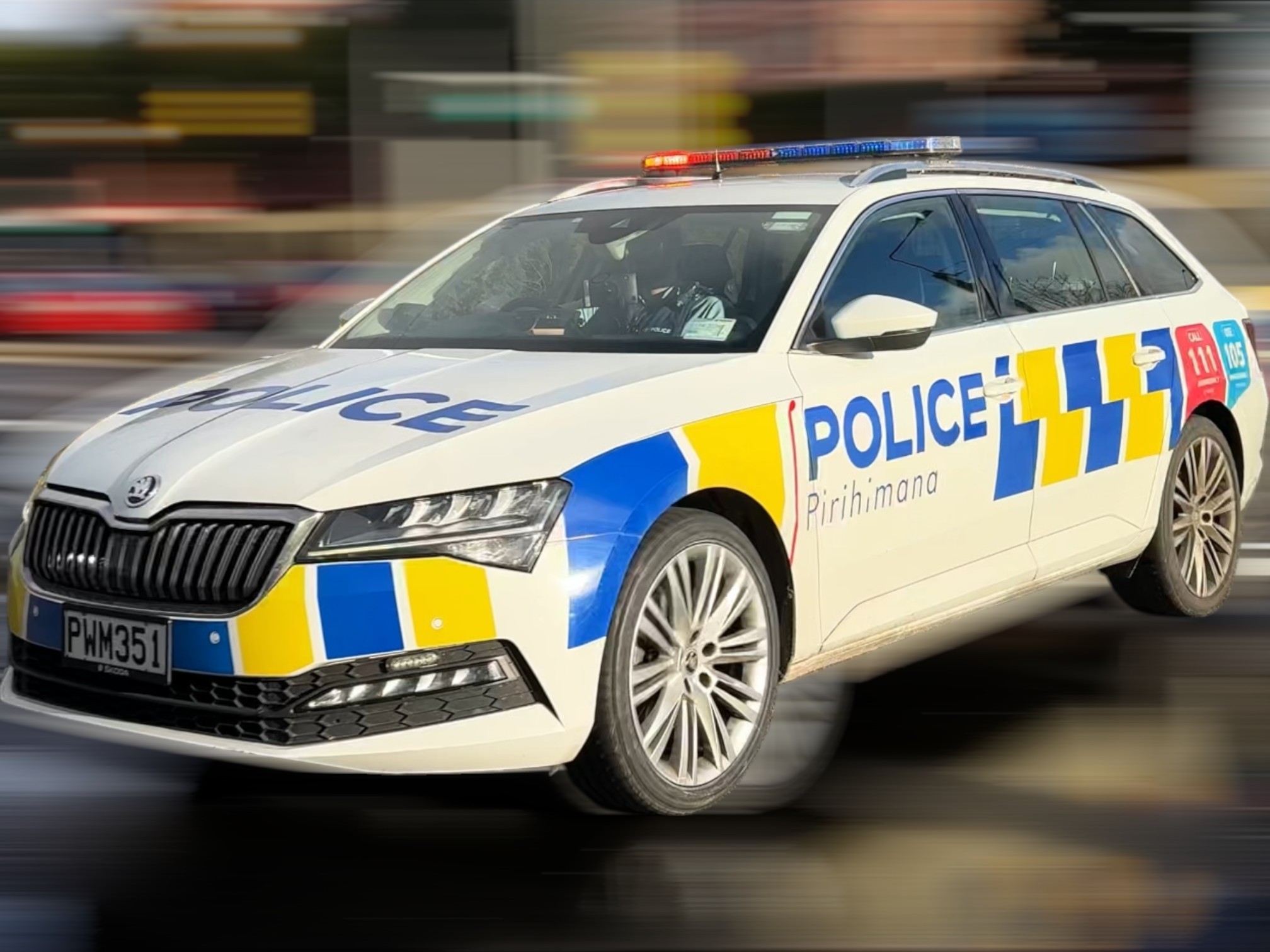
The young person who escaped from a youth justice facility in Rolleston has been located...


The young person who escaped from a youth justice facility in Rolleston has been located...

A person has been seriously injured on State Highway 75, Christchurch Akaroa Road. A police...

BodyFix Gym Christchurch in Phillipstown has taken out two major honours at the Exercise New...

Local MPs have found areas of agreement on major Resource Management Act reforms, during a...

A series of public events have been organised across Christchurch and Lyttelton over the coming...

A woman was taken to hospital after a ‘water incident’ at Parakiore Recreation and Sport...

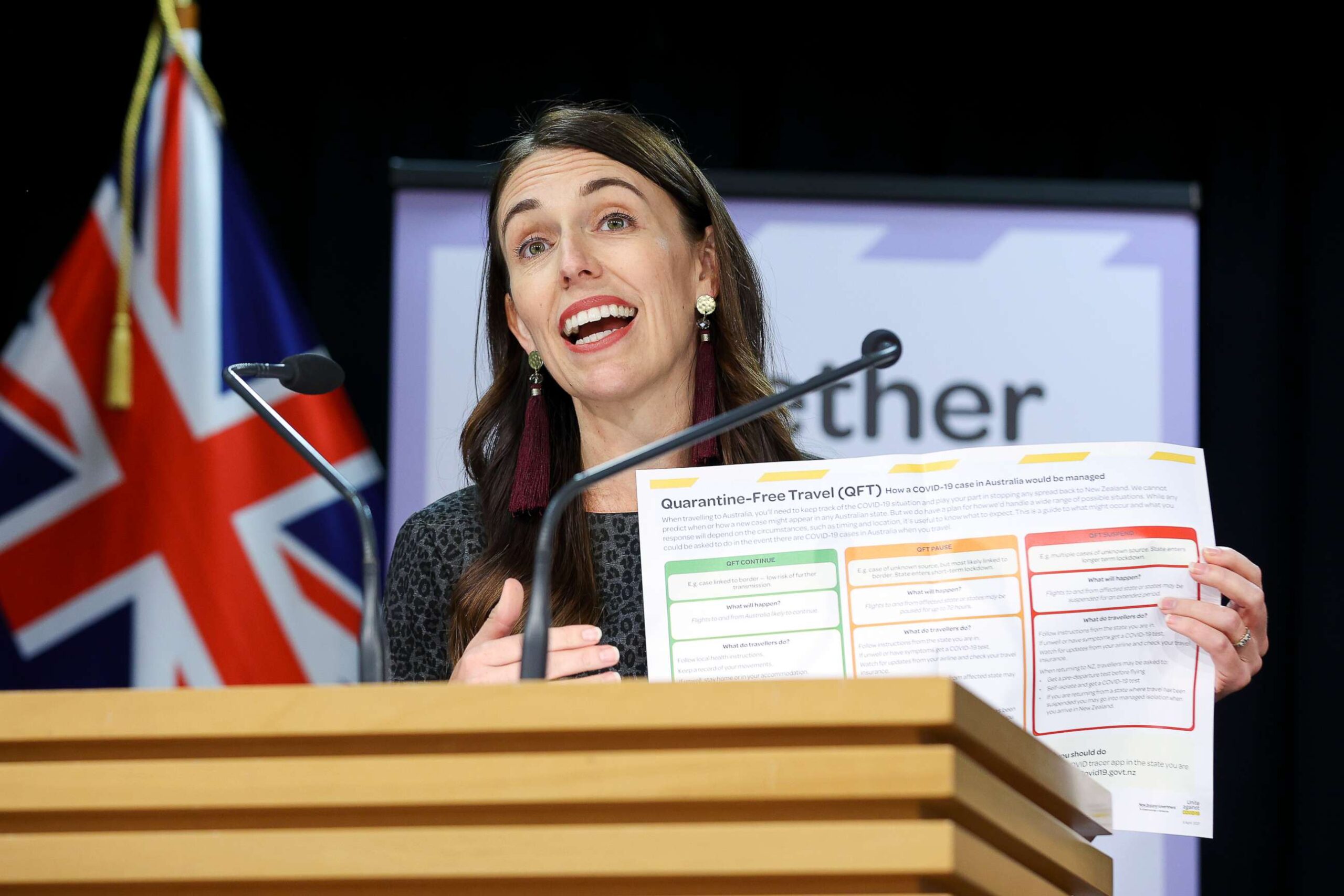
A Royal Commission of Inquiry into New Zealand’s COVID 19 response has found restrictions lasted longer than recommended by health officials and billions of dollars in pandemic spending failed to meet basic economic tests.
The final report, released today, said the $60 billion COVID 19 Response and Recovery Fund covered 821 programmes and around half were unrelated to the pandemic.
The inquiry found many of the investments, including so called shovel ready projects, did not meet Treasury’s advice that spending should be timely, temporary and targeted.
It said the scale and nature of the spending contributed to rising house prices and ongoing cost of living pressures still being felt by New Zealanders.
Health Minister Simeon Brown said the report provided an independent account of the country’s pandemic response and the impact of decisions made during that period.
“New Zealanders lived through one of the most significant global public health and economic events. They made real sacrifices, and this report is an important step in understanding the impact of the decisions that were made and how we can learn from them,” Brown said.
The Commission also found the level of public debt accumulated during the pandemic has left New Zealand more exposed to future economic shocks and warned prudent fiscal management will be needed to rebuild economic buffers.
The report said many opportunities to improve economic decision making during the pandemic were missed, with high level data failing to show what was happening on the ground for ordinary New Zealanders.
It also concluded restrictions initially introduced in 2020 were balanced and appropriate, but continued for longer than public health advice recommended.
Auckland was kept in lockdown and separated from the rest of the country for longer than officials advised was necessary.
The report said a former minister later acknowledged the public health benefits of lockdowns did not clearly outweigh the social and economic costs by the end of 2021, despite Auckland and parts of Northland and Waikato remaining under restrictions.
The inquiry also found advice against applying a two dose vaccine mandate to 12 to 17 year olds, because of myocarditis risks, was provided to ministers but was not made sufficiently clear when the mandate remained in place.
Brown said many New Zealanders still remembered the personal impact of the restrictions.
“New Zealanders remember what that period felt like. Not being able to visit loved ones in hospital, struggling to get home from overseas, and keeping children home from school for months.”
“Aucklanders experienced this more than most, spending more than six months in lockdown, the longest lockdown of any region in the country, separated from family and missing some of life’s most important moments.”
Brown said the report also linked some of today’s cost of living pressures and ongoing social division to decisions made during the pandemic.
“New Zealanders made enormous sacrifices and placed enormous trust in their government. We owe it to them to understand what happened and learn from it.”
The Government said it is reviewing the Commission’s findings and expects to outline its response to the recommendations by July.