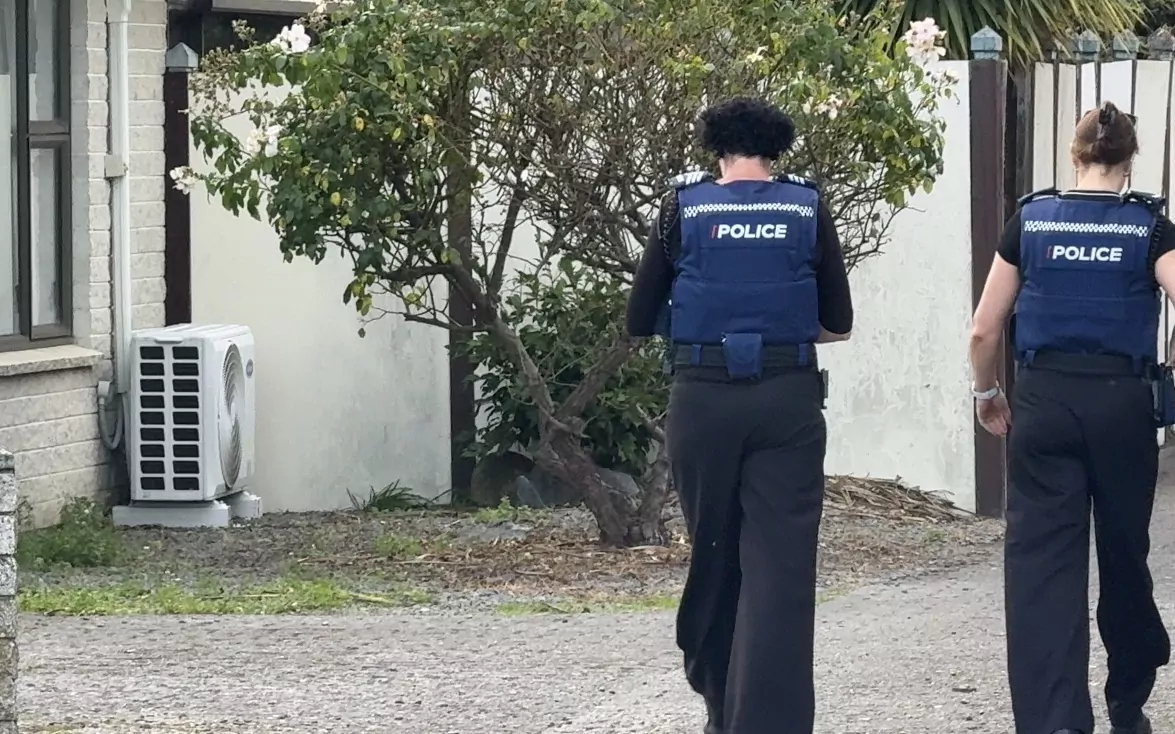
Escaped youth tracked by Eagle helicopter, found hiding in New Brighton
The young person who escaped from a youth justice facility in Rolleston has been located...
Proudly powered by VAST – NZ’s leading digital advertising billboard company. FIND OUT MORE

The young person who escaped from a youth justice facility in Rolleston has been located...

A person has been seriously injured on State Highway 75, Christchurch Akaroa Road. A police...

BodyFix Gym Christchurch in Phillipstown has taken out two major honours at the Exercise New...
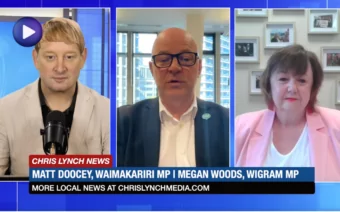
Local MPs have found areas of agreement on major Resource Management Act reforms, during a...

A series of public events have been organised across Christchurch and Lyttelton over the coming...

A woman was taken to hospital after a ‘water incident’ at Parakiore Recreation and Sport...


The recent announcement about the performing artists coming to Christchurch is welcome news for a city, but it’s worth injecting honesty into the hype.
The Government’s plan to spend millions to attract artists to the Christchurch stadium raises questions about how public money is being deployed.
While firefighters are striking for basic safety gear and equipment, the Government is preparing to pour public money into bringing bands to the all encompassing income sustainable Christchurch stadium.
Once upon a time, ticket sales was enough.
It is important to understand whether these incentives represent a genuine investment in regional growth, or whether they function more as subsidies for private promoters presented as economic development.
Context matters.
The Christchurch Stadium is a $683 million project funded by central and local government.
Christchurch ratepayers are responsible for a significant portion of this cost through rates.
The project has long been sold as a catalyst for economic revival.
It was marketed as the anchor Christchurch needed to draw people back into the central city and encourage private investment.
On top of the construction bill, the Government created a national events fund in September 2025 worth $70 million.
It is designed to help New Zealand win the type of large concerts and international events that often skip the country due to logistics and cost.
The fund includes $40 million specifically for securing international mega events, and a further $10 million reserved to boost regional tourism.
Promoters are already suggesting that these incentives will play a role in filling the 37000 seats at the stadium with acts that would otherwise bypass Christchurch.
This means the public may now be contributing twice.
First through the stadium’s construction and ongoing operational support, and again through incentives that reduce the financial risk for promoters and performers.
When government funding lowers the cost for private companies to stage profitable events, the arrangement resembles corporate welfare.
Proponents of the fund argue that New Zealand’s distance from major touring routes makes it difficult to attract globally recognised acts without public support.
They also point to the potential economic benefit of major concerts, often estimated at between $10 million and $20 million per event once visitor spending on hotels, hospitality, and retail is included.
The difficulty is that these estimates are routinely challenged by independent economists.
Much of the spending associated with a single large event leaks out of the local economy, and the benefit to jobs is often temporary and limited.
Past evaluations in Australia have found that publicly subsidised concerts often deliver far lower returns than forecast.
The risk is that the public wears the cost, while the financial reward flows primarily to promoters and touring companies.
None of this means Christchurch should avoid hosting major events.
The city has endured a long and difficult rebuild and deserves opportunities to energise its centre and showcase its attractions.
A thriving stadium can create civic pride and can support local performers who might otherwise struggle to secure large stages.
The question is whether the current funding model is the most responsible way to achieve that outcome.
If the Government believes public investment in events delivers real returns, then those returns should be measured, published, and subject to independent review.
If promoters benefit directly from taxpayer funding, there should be safeguards such as profit sharing or clawback provisions to ensure risk and reward are shared fairly.
At present, the arrangement risks delivering public cost for private gain.
So while we keep hearing how amazing the new stadium will be, it is worth reminding the Government and city leaders to thank the rate payers, who appear to be providing far more than the rebuild alone.
Without greater transparency and accountability, the line between economic development and corporate welfare becomes increasingly blurred.