Escaped youth tracked by Eagle helicopter, found hiding in New Brighton
The young person who escaped from a youth justice facility in Rolleston has been located...
Proudly powered by VAST – NZ’s leading digital advertising billboard company. FIND OUT MORE

The young person who escaped from a youth justice facility in Rolleston has been located...

A person has been seriously injured on State Highway 75, Christchurch Akaroa Road. A police...

BodyFix Gym Christchurch in Phillipstown has taken out two major honours at the Exercise New...
Local MPs have found areas of agreement on major Resource Management Act reforms, during a...

A series of public events have been organised across Christchurch and Lyttelton over the coming...

A woman was taken to hospital after a ‘water incident’ at Parakiore Recreation and Sport...

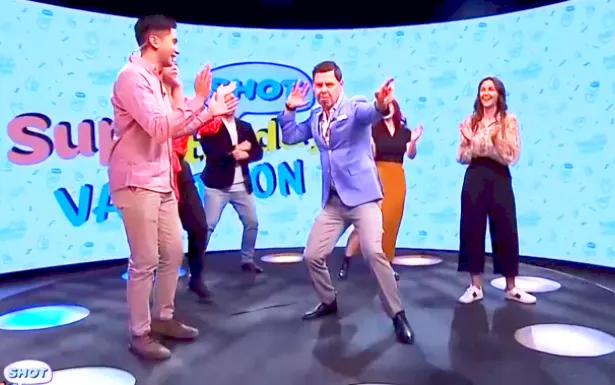
Paddy Gower has appeared on yet another taxpayer funded podcast broadcast on Stuff.
This time it came in the form of a mea culpa of sorts.
An apology from a man whose ego has clearly taken a bruising, finally confronting a reality many New Zealanders recognised years ago.
For much of the COVID period, Gower and large sections of the mainstream media were profoundly out of step with the public mood.
While many ordinary New Zealanders had genuine questions about vaccine mandates and government power, those concerns were routinely dismissed, ridiculed, or ignored by a media establishment that had grown far too comfortable acting as a megaphone for the government of the day.
There was nothing wrong with reporting the government restrictions of the time. Whether it was lockdowns, vaccine mandates, or the penalties attached to them, New Zealanders had a right to know exactly what rules they were facing and how those rules would affect their lives.
But too often, sections of the media did not simply report the government’s decisions. They amplified them, defended them, and in some cases actively promoted them.
Blatantly parroting government messaging because it felt good at the time was not journalism.
For many readers and viewers, that was unforgivable. The idea that vaccination should remain a matter of personal choice was treated by many in the media as heresy rather than a legitimate public debate.
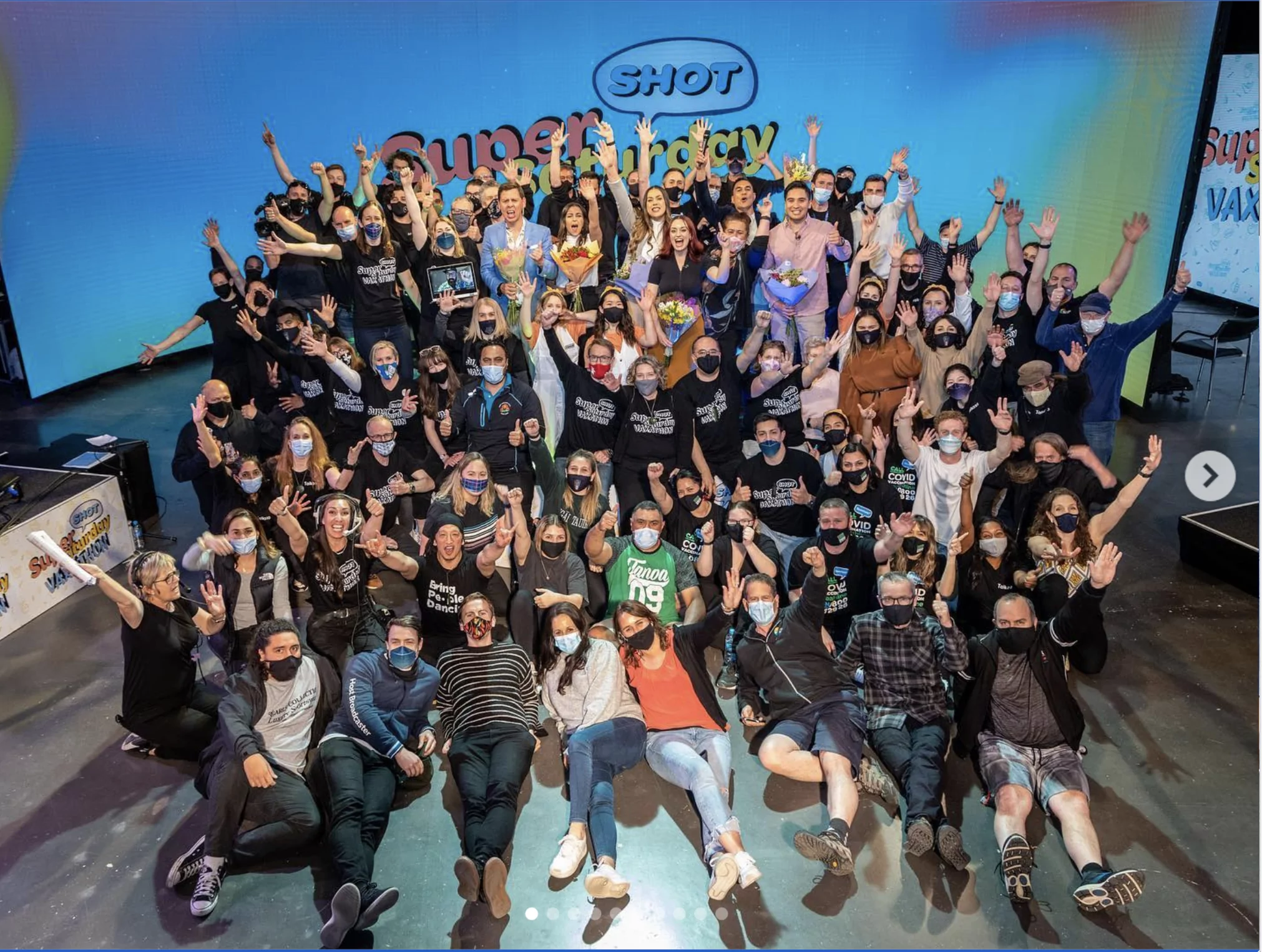
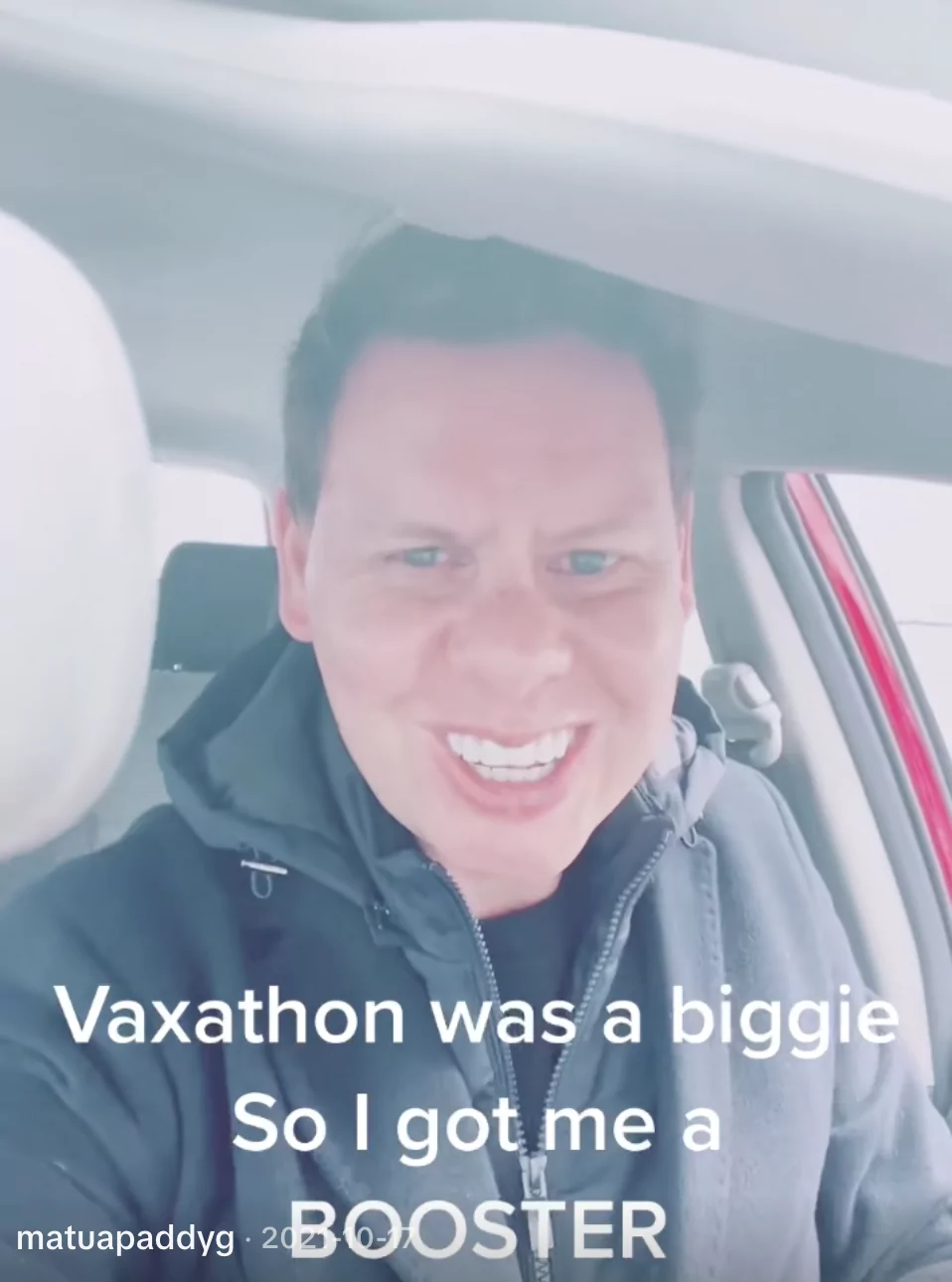
Paddy Gower said he sort of regretted the Vaxathon television spectacle, yet in the same breath admitted he would probably do it all over again.
That contradiction speaks volumes.
Even more troubling during that period was the behaviour of Christchurch pharmacy owners.
Several contacted me directly, urging me to advocate on their behalf so the Government would allow pharmacies to administer the vaccine.
Their motivation was never about public health. It was about gaining access to the Government funding attached to each vaccination administered.
I will also never forget one particular moment during that period.
A junior Christchurch Press reporter door knocked the home of a senior Christchurch council manager who had been dismissed for refusing the vaccine. His only offence was making a personal medical decision about what he would or would not put into his own body.
Door knocking like that is normally reserved for people who have committed serious wrongdoing. Criminals. Fraudsters. Predators. People who have harmed others.
Not someone who lost their job because they declined the jab. Yet in that moment it was treated as if he had done something shameful.
That episode captured the climate of the time.
A media culture more interested in enforcing conformity than asking difficult questions.
Years later, the tone has begun to shift.
As further COVID reports and inquiries emerge, parts of the media appear eager to revisit their coverage and quietly correct the record.
But for many New Zealanders, that moment has already passed. The damage to public trust was done long ago.
The bitterness directed at large media organisations did not appear out of thin air.
It was earned.
Thank goodness I left Newstalk ZB before NZME began receiving a steady flow of Government funding.
Campaign style coverage from outlets such as the New Zealand Herald, which frequently echoed official messaging without sufficient scrutiny, left many readers feeling dismissed and talked down to.
Gower’s apology for dancing on the Vaxathon stage might be sincere, but it also arrives years too late.
The problem was never a single awkward moment on television.
It was a broader culture within parts of the media that mistook advocacy for journalism.
For a time, Gower appeared eager to position himself as a kind of moral compass for the country, delivering lectures to the public about what they should think and how they should behave.
That approach did not age well.
If there is one lesson from the COVID era, it is this. Public trust in journalism is fragile. Once it is lost, it is incredibly difficult to rebuild.
Mainstream media’s influence took a serious hit during COVID and it never truly recovered, no matter how many confident posts appear on LinkedIn claiming otherwise.
Apologies delivered years after the fact may ease a few consciences inside newsrooms. They do far less to repair the confidence of the audience those same newsrooms spent years dismissing.
And for many New Zealanders, that loss of trust will not be forgotten anytime soon.