Escaped youth tracked by Eagle helicopter, found hiding in New Brighton
The young person who escaped from a youth justice facility in Rolleston has been located...


The young person who escaped from a youth justice facility in Rolleston has been located...

A person has been seriously injured on State Highway 75, Christchurch Akaroa Road. A police...

BodyFix Gym Christchurch in Phillipstown has taken out two major honours at the Exercise New...

Local MPs have found areas of agreement on major Resource Management Act reforms, during a...

A series of public events have been organised across Christchurch and Lyttelton over the coming...

A woman was taken to hospital after a ‘water incident’ at Parakiore Recreation and Sport...

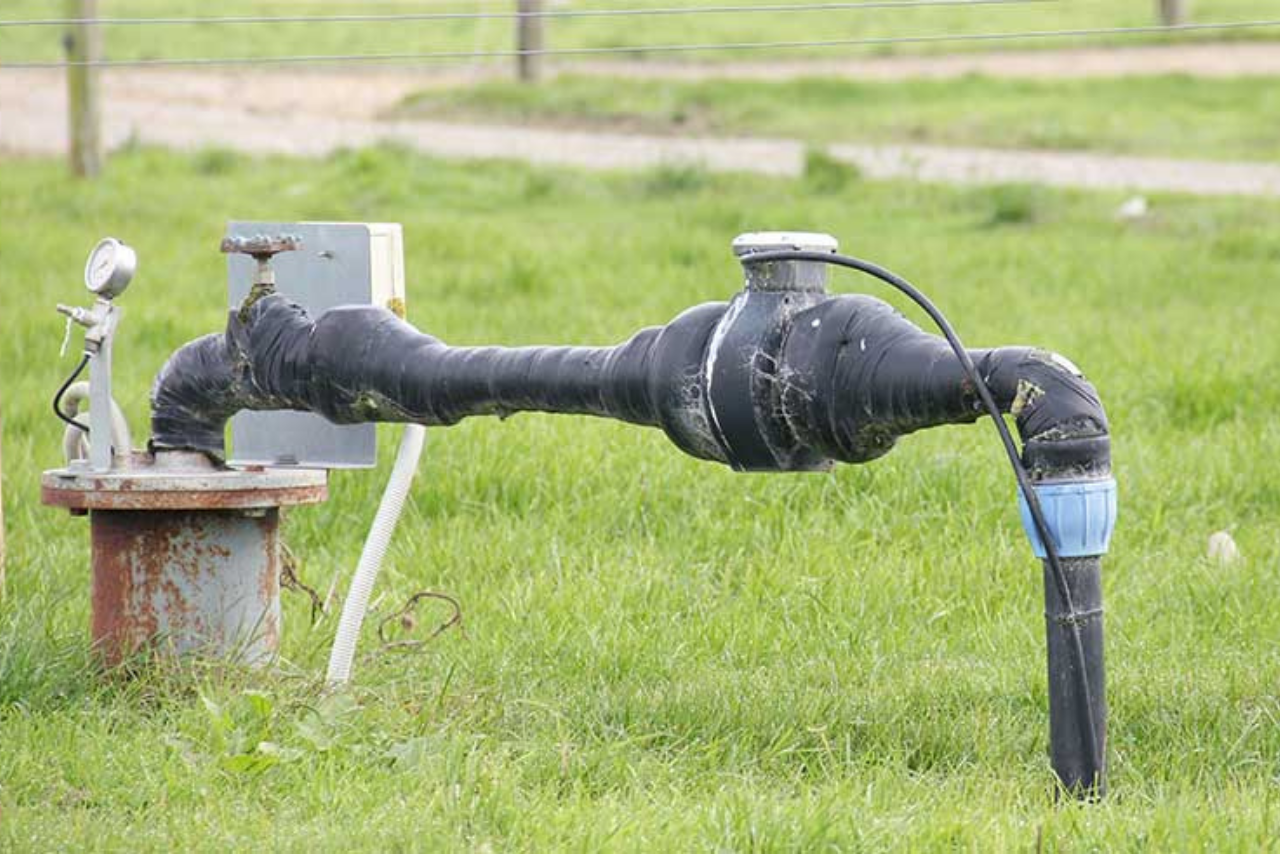
More than one in 10 wells sampled across Canterbury exceeded the drinking water limit for nitrate, while concentrations continued to rise in most wells assessed for long-term trends.
Environment Canterbury’s 2025 Annual Groundwater Quality Survey tested 358 wells, providing a regional snapshot of groundwater quality.
Of those, 38 wells, or 10.6 per cent, had nitrate-nitrogen concentrations above the drinking water maximum acceptable value of 11.3mg/L. That was similar to the 10 per cent recorded in 2024.
However, the number of wells where E. coli was detected fell from 49 in 2024 to 23 in 2025.
ECan water and land science manager Dr Elaine Moriarty said the findings reinforced the importance of monitoring groundwater and testing private water supplies.
“Groundwater is hugely important to Canterbury. It’s the source of drinking water for many communities and it also feeds a lot of our lowland springs and streams.”
Higher nitrate concentrations were usually found in areas with more intensive land use.
Among wells assessed for long-term trends, 59 per cent showed increasing nitrate concentrations over the past decade. Concentrations decreased in 24 per cent, while 17 per cent showed no clear trend.
The survey also highlighted potential consequences for Canterbury’s waterways.
More than half of the shallow groundwater samples assessed in areas connected to rivers and streams exceeded the surface water nitrate bottom line of 2.4mg/L, meaning they could contribute to ecological impacts.
Moriarty said improvements in land management could take years to become visible in groundwater monitoring.
“In parts of Canterbury with deep groundwater the water we sample today may have entered the ground many years ago. This means changes in how land is managed may take a long time to show up in monitoring results.”
Annual surveys helped ECan track those changes and identify where risks remained.
The survey also included a one-off assessment of lead. Very low concentrations were detected in some samples, but no wells exceeded the drinking water standard for lead.