Escaped youth tracked by Eagle helicopter, found hiding in New Brighton
The young person who escaped from a youth justice facility in Rolleston has been located...


The young person who escaped from a youth justice facility in Rolleston has been located...

A person has been seriously injured on State Highway 75, Christchurch Akaroa Road. A police...

BodyFix Gym Christchurch in Phillipstown has taken out two major honours at the Exercise New...

Local MPs have found areas of agreement on major Resource Management Act reforms, during a...

A series of public events have been organised across Christchurch and Lyttelton over the coming...

A woman was taken to hospital after a ‘water incident’ at Parakiore Recreation and Sport...


The Government has unveiled a major overhaul of New Zealand’s planning system, replacing the Resource Management Act with two new bills that Ministers say will cut red tape, speed up housing and infrastructure development, and give farmers more freedom to operate.
The new Planning Bill and Natural Environment Bill have been introduced to Parliament and are scheduled to become law in 2026.
RMA Reform Minister Chris Bishop said the existing Resource Management Act has created “enormous uncertainty” for councils, developers, farmers and growers, and failed to protect the environment.
He said the new system is projected to increase Gross Domestic Product by at least 0.56 percent every year by 2050, worth up to $3.1 billion annually, with an estimated $13.3 billion in savings over 30 years through reduced administrative and compliance costs.
Independent analysis shows up to 46 percent of existing consents and permits could be removed, meaning between 15,000 and 22,000 applications would no longer be required each year.
Major changes include:
Fewer consents and fewer activity categories, with low impact activities not requiring approval.
More than 100 regional plans reduced to 17 combined plans that bring spatial, land use and environmental rules together.
New 30 year regional spatial plans to map out growth areas and future infrastructure corridors.
Clear national direction with a single set of rules for each part of the system.
A new Planning Tribunal to resolve disputes faster and at lower cost.
National standards to simplify zoning, earthworks rules, noise limits and other common activities.
Mandatory science based environmental limits.
Councils required to provide regulatory relief when restricting property use, such as heritage protections or significant natural areas.
Bishop said the overhaul puts property rights at the centre of the system.
“When you put property rights at the core and remove excessive government rules from people’s lives, the benefits will quickly follow,” he said.
Under Secretary for RMA Reform Simon Court said the reforms stop “unchecked information requests” and “disproportionate consent conditions” that have previously slowed projects.
Treasury has projected significant benefits for large scale infrastructure, with the Infrastructure Commission finding that developers currently spend $1.29 billion a year on RMA consenting. Direct consenting costs have increased 70 percent since 2014 and approval times have increased 150 percent.
The new regime aims to deliver long term certainty by mapping future roads, schools, power networks and utilities in advance. Critical infrastructure will still be permitted in protected areas where no alternative locations exist.
Farmers and growers will also see significant changes. The Government says simpler rules, fewer consents, and more standardised regional plans will reduce compliance costs and allow more time for productive work.
Freshwater farm plans will become a central compliance tool. Ministers say these plans will allow environmental risks to be managed through practical, farmer led systems rather than through large numbers of individual consents.
Agriculture Minister Todd McClay said the previous regime “stifled productivity” and burdened rural communities with excessive costs.
Associate Environment Minister Andrew Hoggard said the new approach is based on a simple principle.
“It is your land, you have the right to use it,” he said.
The Government says national policy direction under the new bills will be finalised within nine months of the legislation passing, with mandatory national standards released in stages.
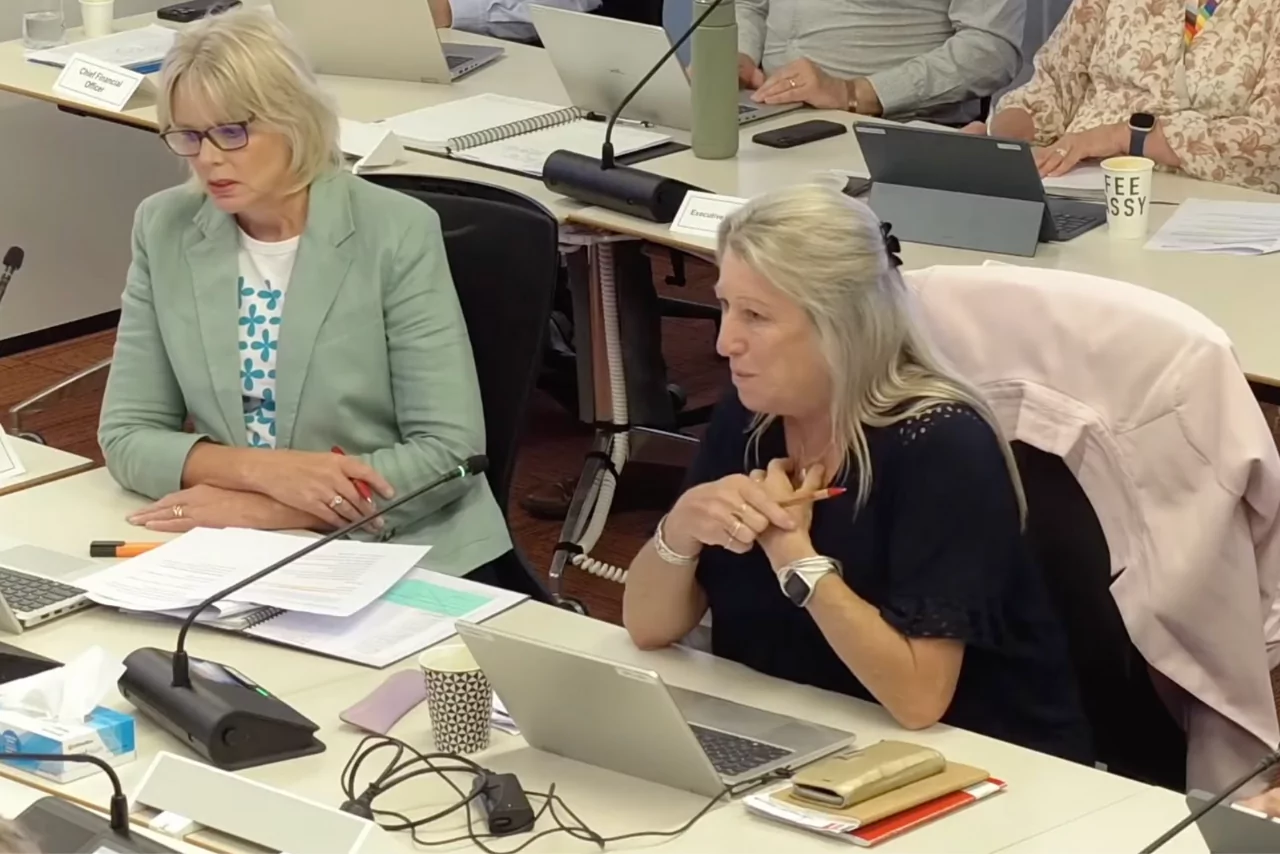
Canterbury Regional Council Chair Dr Deon Swiggs said the region has been waiting for significant resource management reform and is well placed to respond.
“For years we have been asking, and waiting, for the Government to act on the outdated system we have been operating under,” he said.
He welcomed the planned simplification but warned that ratepayers will want clarity about the cost of transition.

Dr Deon Swiggs / Environment Canterbury Chair
Swiggs also expressed concern that moving away from Treaty engagement and further centralising decisions may weaken Canterbury’s local voice.
“Someone is always going to have to strike the hard balance between the economy and the environment. It is an important task. We need to make sure we do not lose sight of what really matters,” he said.
Councillors will work with Ngai Tahu, local councils, industry and the wider community to prepare a regional submission early next year.
The bills will go through a full Select Committee process and the public will be invited to have their say.