Escaped youth tracked by Eagle helicopter, found hiding in New Brighton
The young person who escaped from a youth justice facility in Rolleston has been located...


The young person who escaped from a youth justice facility in Rolleston has been located...

A person has been seriously injured on State Highway 75, Christchurch Akaroa Road. A police...

BodyFix Gym Christchurch in Phillipstown has taken out two major honours at the Exercise New...

Local MPs have found areas of agreement on major Resource Management Act reforms, during a...

A series of public events have been organised across Christchurch and Lyttelton over the coming...

A woman was taken to hospital after a ‘water incident’ at Parakiore Recreation and Sport...

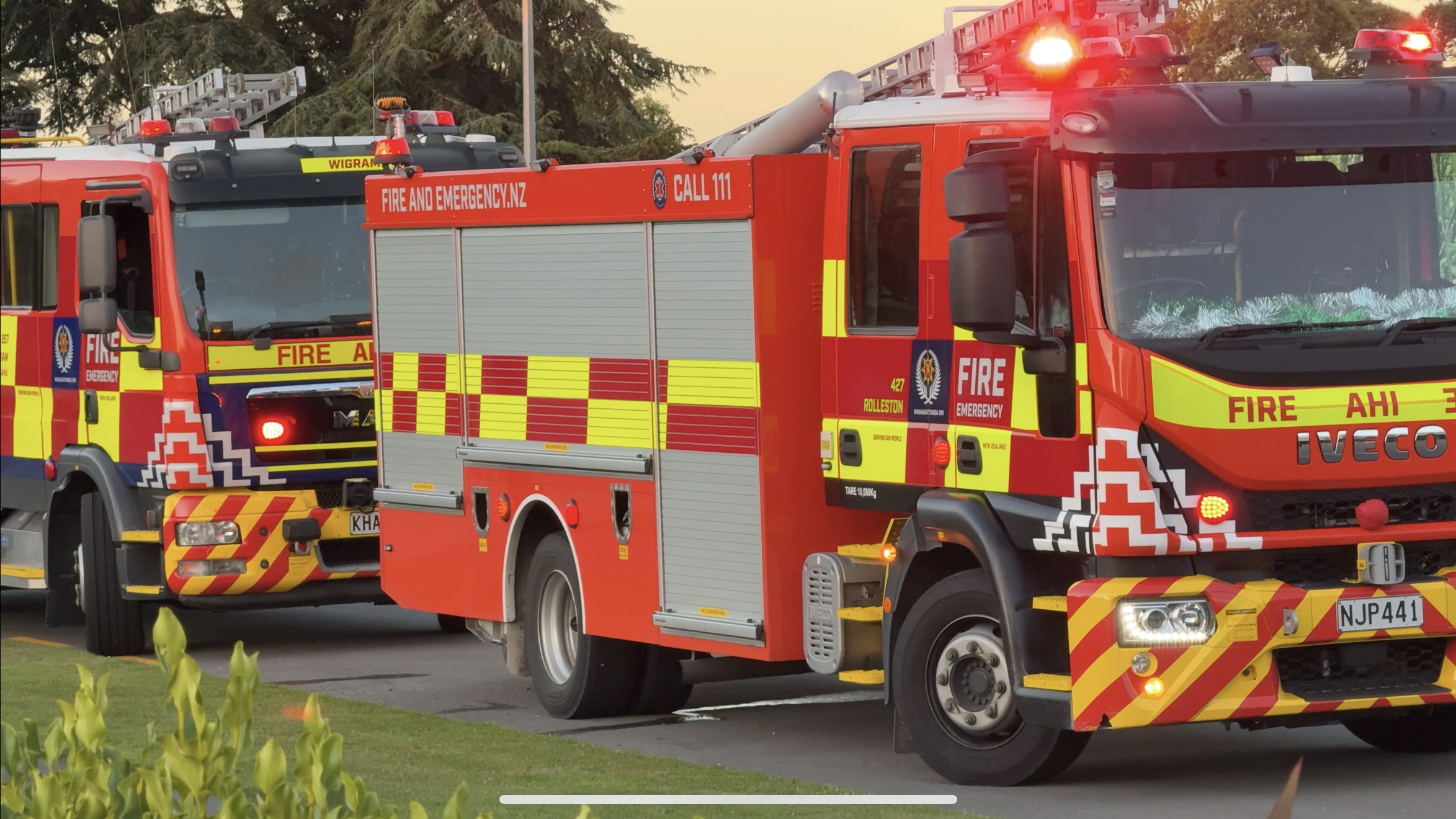
New Zealanders are being urged to prepare for an elevated wildfire risk this summer, with El Niño conditions expected to develop and strengthen over the coming months.
Forecasts from Earth Sciences New Zealand and Fire and Emergency New Zealand indicated the weather pattern could become one of the stronger El Niño events on record.
Strong El Niño events have historically brought more frequent westerly winds, warmer temperatures and below-normal rainfall to eastern areas of the North and South islands.
However, the timing and severity of the conditions remained uncertain.
Fire and Emergency Deputy Chief Executive Prevention Stephen Hunt said people should begin preparing now.
“Despite the uncertainty of when and how El Niño will impact New Zealand, it’s time for Kiwis to start preparing,” Hunt said.
He encouraged property owners to clear dead and dry vegetation from around buildings, keep spring grass growth under control and ensure firefighters could easily access properties and water supplies.
“These actions can make a real difference if fire threatens your home or community.”
Hunt said a recent fast-moving fire in Wānaka demonstrated how quickly flames could spread and threaten homes.
People should speak with neighbours and whānau, identify evacuation routes and prepare essential supplies in case they needed to leave quickly.
Fire and Emergency Deputy National Commander Megan Stiffler said about 98 per cent of New Zealand’s wildfires were caused by people and their activities.
“We urge people to use fire safely and to always check the conditions and fire season status in their area before lighting an outdoor fire,” Stiffler said.
Fire and Emergency was reviewing its operational readiness, identifying emerging risk areas and working with councils, iwi, land managers, communities and agencies including the Department of Conservation and New Zealand Defence Force.
Its national coordination centre was ready to oversee responses during periods of heightened fire risk, while personnel, appliances and specialist resources could be moved or pre-positioned in higher-risk areas.
Personnel deployed to help fight wildfires in North America in recent months would also bring valuable knowledge and experience home ahead of the New Zealand summer, Stiffler said.
Wildfire preparation plans and current fire-season information are available at checkitsalright.nz.