Escaped youth tracked by Eagle helicopter, found hiding in New Brighton
The young person who escaped from a youth justice facility in Rolleston has been located...


The young person who escaped from a youth justice facility in Rolleston has been located...

A person has been seriously injured on State Highway 75, Christchurch Akaroa Road. A police...

BodyFix Gym Christchurch in Phillipstown has taken out two major honours at the Exercise New...

Local MPs have found areas of agreement on major Resource Management Act reforms, during a...

A series of public events have been organised across Christchurch and Lyttelton over the coming...

A woman was taken to hospital after a ‘water incident’ at Parakiore Recreation and Sport...

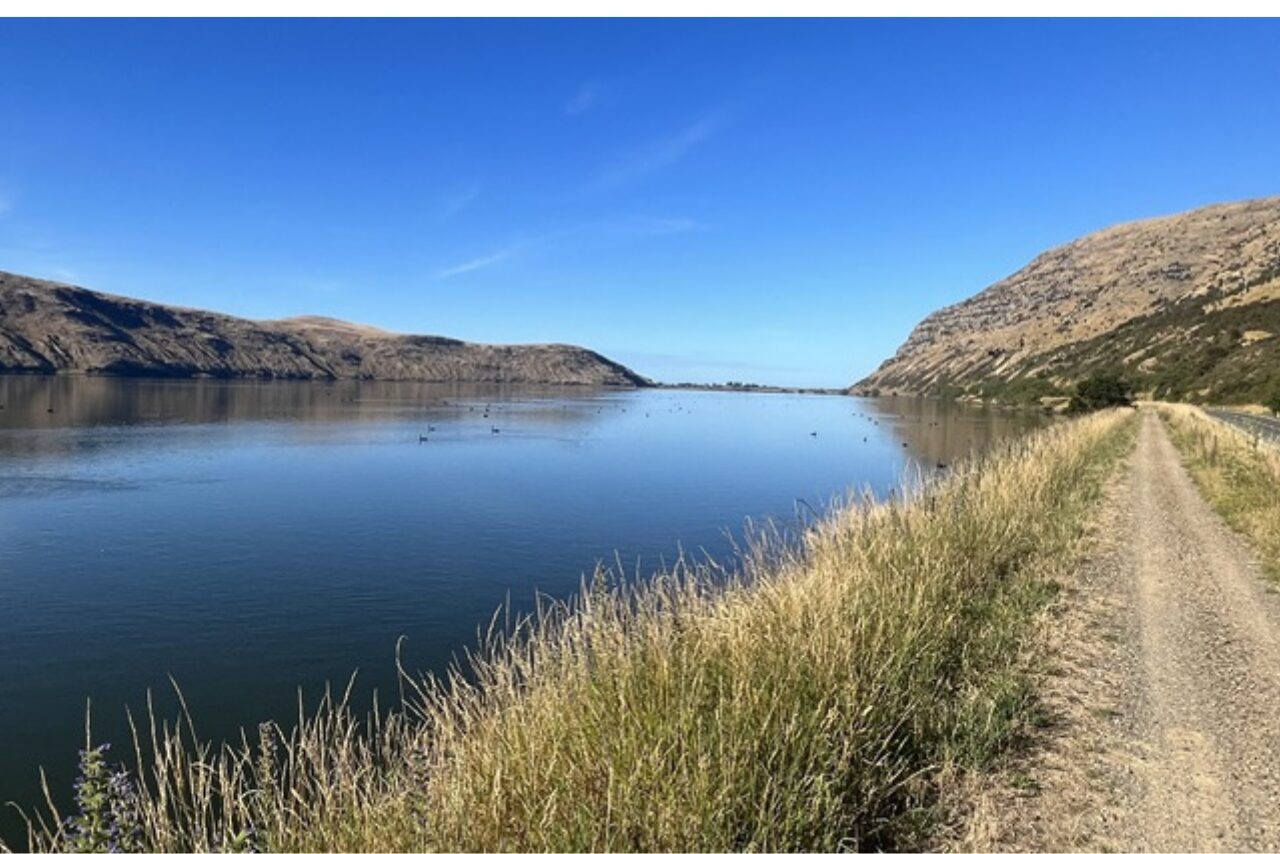
The Government has announced new funding for e bike charging infrastructure across New Zealand’s cycle trail network, including support for Canterbury’s Little River Rail Trail.
Tourism and Hospitality Minister Louise Upston said the Government would invest $2.5 million through the Electrifying the Great Rides Fund to install 42 new e bike charging stations across five trails.
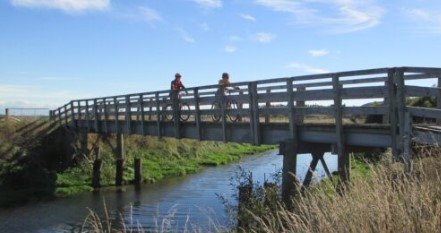
Photo: Rod Donald Banks Peninsula Trust
“These stations, which charge and secure multiple bikes, are making our cycle trails more accessible and attractive, both for tourists and locals enjoying our fantastic cycling network,” Upston said.
The Little River Rail Trail will receive $180,000 for three charging stations as part of the latest funding round.
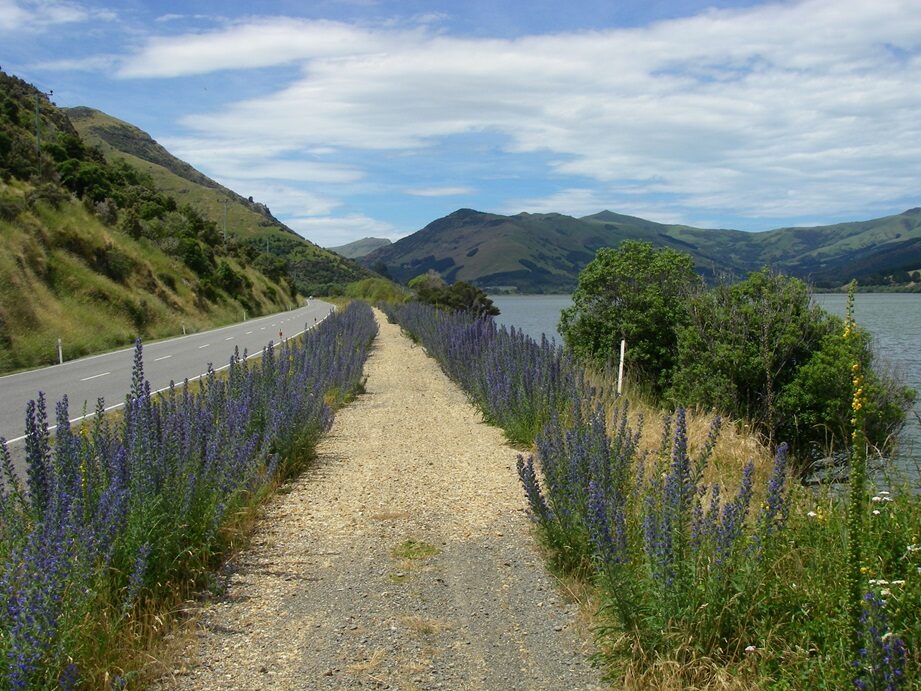
Photo: Rod Donald Banks Peninsula Trust
Other successful trails included the Hauraki Rail Trail, Tasman’s Great Taste Trail, Whakarewarewa Forest Loop in Rotorua, and the Great Lake Trail in Tāupo.
Upston said e biking was continuing to grow in popularity across regional New Zealand.
“E biking is gaining real momentum in the regions, so it makes sense for the Government to invest in infrastructure supporting increased usage on the Great Rides, as well as on the wider network of rides.”
She said the Great Rides network delivered an estimated $1.28 billion economic boost to regional New Zealand.
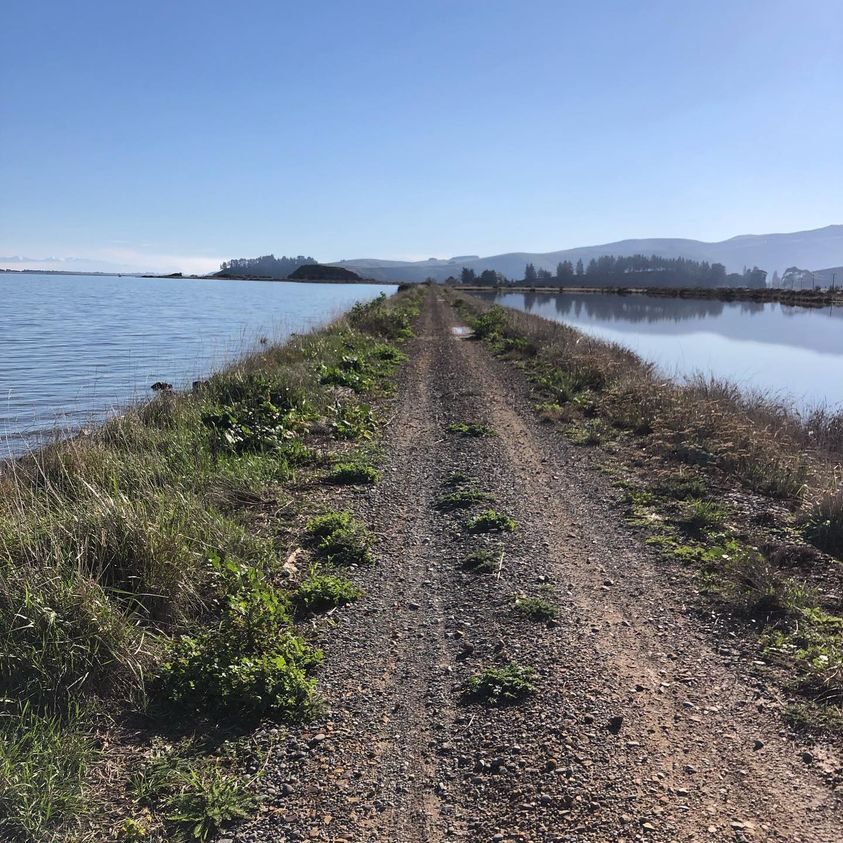
Photo: Rod Donald Banks Peninsula Trust
The latest funding round also expanded eligibility criteria to include Heartland and Connector Rides within the wider Ngā Haerenga New Zealand Cycle Trail network.
“By broadening the criteria, we’re making rural and remote trails easier to access for visitors keen to explore more of our beautiful country,” Upston said.
The Electrifying the Great Rides Fund is supported through the International Visitor Conservation and Tourism Levy, with applicants required to co fund at least 50 percent of each charging site.