Escaped youth tracked by Eagle helicopter, found hiding in New Brighton
The young person who escaped from a youth justice facility in Rolleston has been located...


The young person who escaped from a youth justice facility in Rolleston has been located...

A person has been seriously injured on State Highway 75, Christchurch Akaroa Road. A police...

BodyFix Gym Christchurch in Phillipstown has taken out two major honours at the Exercise New...

Local MPs have found areas of agreement on major Resource Management Act reforms, during a...

A series of public events have been organised across Christchurch and Lyttelton over the coming...

A woman was taken to hospital after a ‘water incident’ at Parakiore Recreation and Sport...

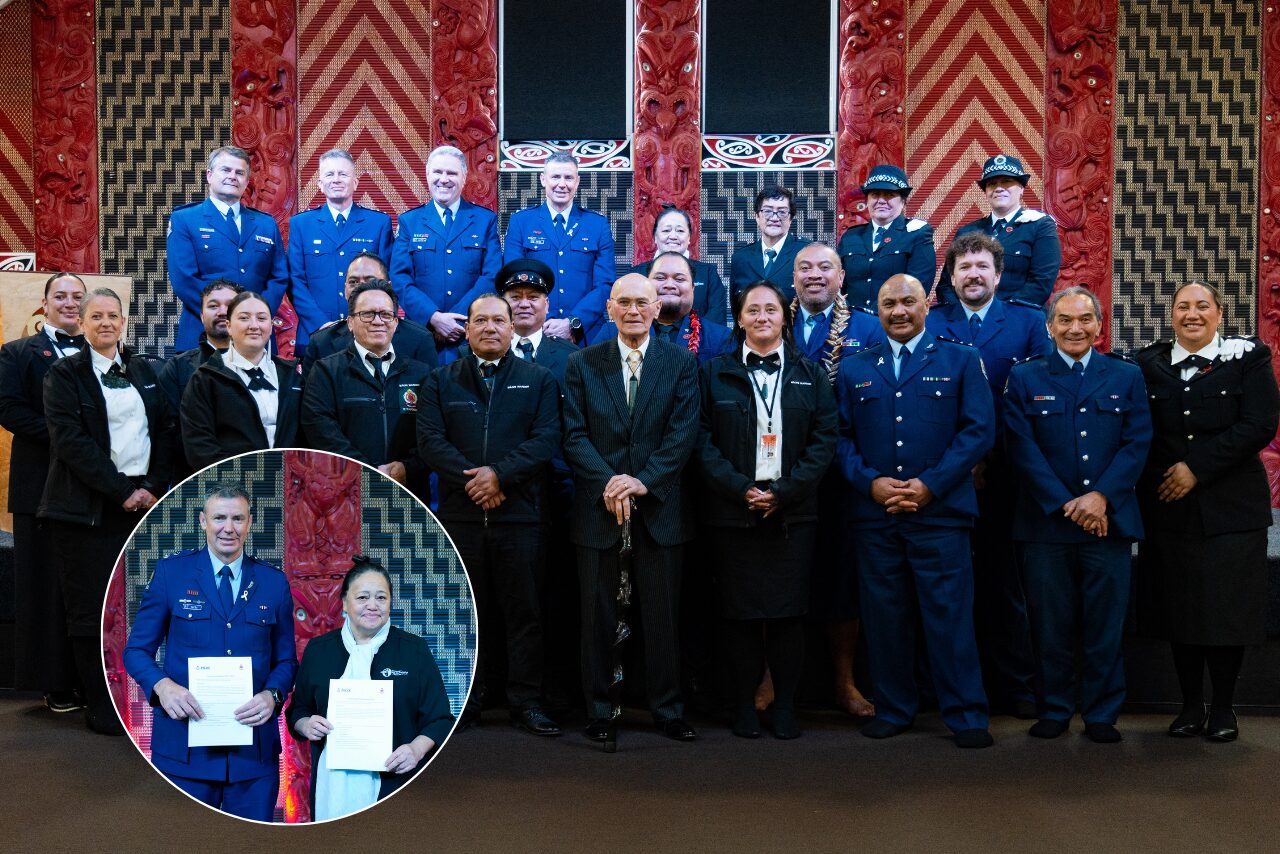
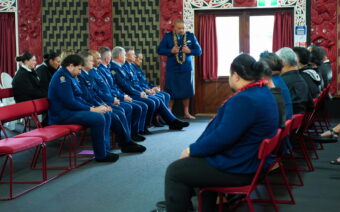
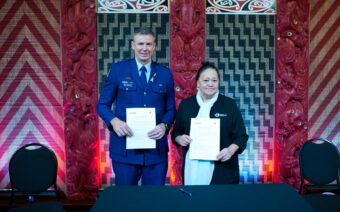
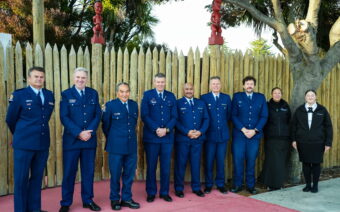
Canterbury Police and Te Rūnanga o Ngā Maata Waka Māori Wardens have formalised a partnership aimed at improving community safety and helping de-escalate incidents across Christchurch.
The NZ Police ‘Ten One’ magazine said the local Service Level Agreement was signed following a pōwhiri at Ngā Hau e Whā National Marae in Christchurch on 26 May.
It follows a national Memorandum of Understanding signed between New Zealand Police and Māori Wardens last October, recognising the wardens’ role as a trusted and visible presence within communities.
Canterbury District Commander Tony Hill, who signed the agreement on behalf of police, told the magazine the relationship was built on mutual respect and a shared commitment to supporting whānau.
“This is not just an opportunity to work together, it is an opportunity for better outcomes for Māori, and better outcomes for the people we serve,” Hill said.
Senior Sergeant Hamish Keer-Keer said Māori Wardens could bring calm and connection to situations that might otherwise escalate.
He said rebuilding the partnership had reinforced the value of police and wardens working together for all Canterbury communities.
Wardens took part in joint training with police late last year, covering legislation, security awareness, tactical communication, traffic management and working in crowded places.
They have since worked alongside police at major Christchurch events, including Electric Avenue and the opening events at the new One New Zealand Stadium at Te Kaha.
Senior Constable Bryan Dewes said wardens were included in operational briefings and could help de-escalate incidents when it was safe to do so.
In one case, wardens helped resolve a confrontation between guests and security staff, allowing police to identify and remove the person responsible while the innocent party remained at the event.
Police said the agreement would provide a framework for the partnership, but its success would ultimately be determined by the work carried out together in the community.