Escaped youth tracked by Eagle helicopter, found hiding in New Brighton
The young person who escaped from a youth justice facility in Rolleston has been located...


The young person who escaped from a youth justice facility in Rolleston has been located...

A person has been seriously injured on State Highway 75, Christchurch Akaroa Road. A police...

BodyFix Gym Christchurch in Phillipstown has taken out two major honours at the Exercise New...

Local MPs have found areas of agreement on major Resource Management Act reforms, during a...

A series of public events have been organised across Christchurch and Lyttelton over the coming...

A woman was taken to hospital after a ‘water incident’ at Parakiore Recreation and Sport...

Christchurch Mayor Phil Mauger has questioned the $905,000 remuneration of Orion’s chief executive and whether the company should be paying millions in dividends to its shareholders when Canterbury households are facing higher electricity bills.
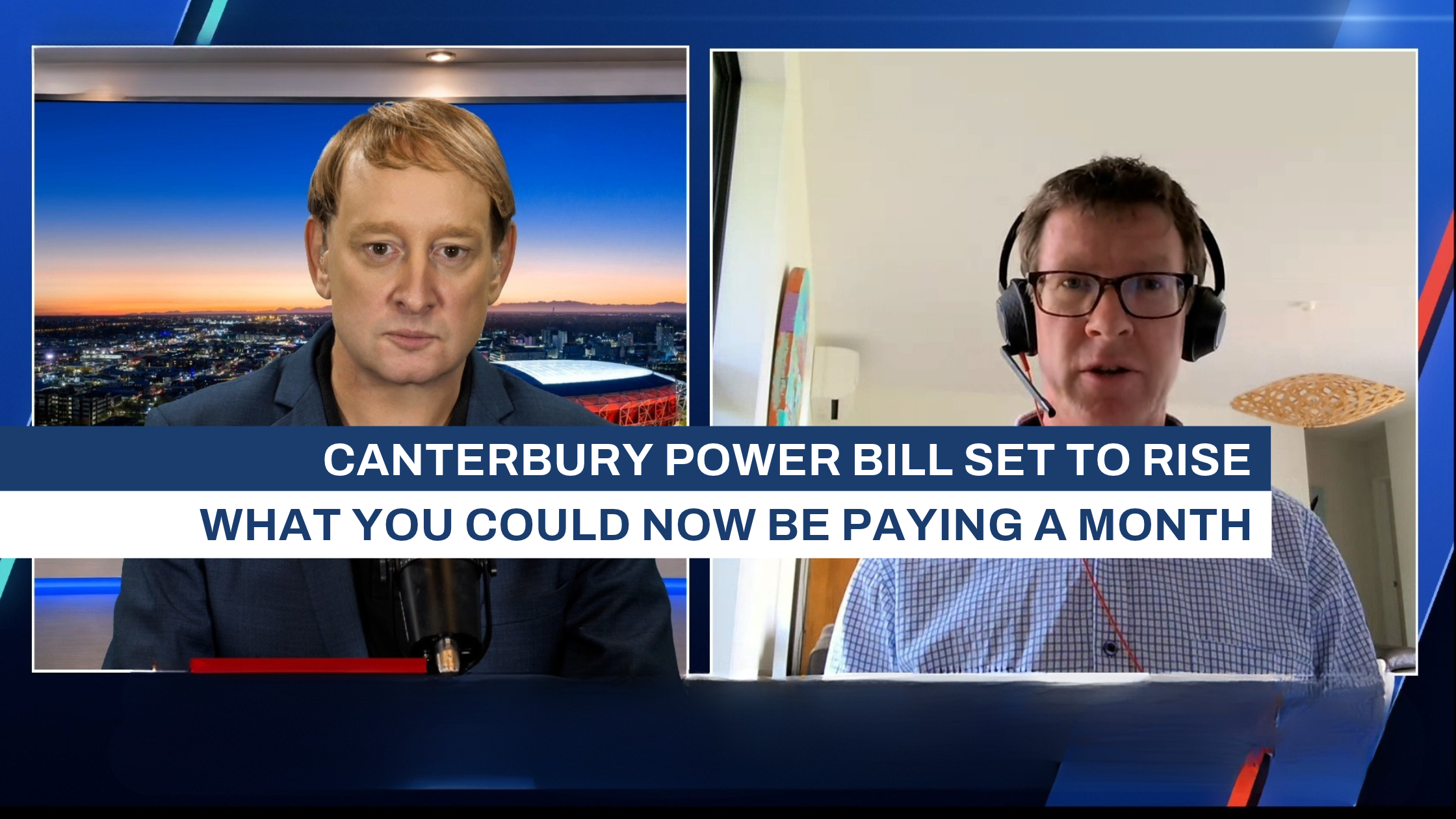
Mauger’s comments follow a draft Commerce Commission decision allowing Orion to invest approximately $1.3 billion in its electricity network, potentially adding another $21 a month to the average customer’s power bill by 2032.
Speaking to chrislynchmedia.com, Mauger questioned why more of the company’s profits were not being retained to help fund major infrastructure projects.
“It begs belief to me.”
He said Christchurch City Council needed some of the dividend income, but believed Orion should be putting more money aside for future expenditure.
“We should let them hang on to it to put some stuff in the bank for a rainy day, so it doesn’t go, ‘Oh, we’ve got to do all this big upgrade. Let’s clobber everyone because we need the dough.’”
Orion’s latest annual report reveals the company paid $30 million in dividends to its council shareholders during the financial year ending March 2026, up from $25 million the previous year.
The company recorded a $35.4 million profit after tax, an increase of $11.4 million.
Christchurch City Council owns 89.275 percent of Orion through Christchurch City Holdings Limited, while Selwyn District Council holds the remaining 10.725 percent.
The mayor’s concerns extended to chief executive Nigel Barbour’s remuneration, which increased from $880,000 to $905,000 over the past financial year.
That represents an additional $25,000, or approximately 2.8 percent.
Asked whether Barbour was worth that amount, Mauger was careful not to criticise his performance directly.
“I’m certainly not saying he’s not worth it.”
However, he questioned whether annual percentage increases remained appropriate when executive remuneration had already reached such substantial levels.
“If you get a two or three percent pay rise, you’re starting talking numbers like this, and in some cases it could be half of someone’s whole wages.”
He suggested company boards should be prepared to freeze executive remuneration rather than automatically approving further increases.
“There must come a time where you say, ‘Righto, this year no increase.’”
The mayor was particularly blunt about the size of the package.
“900 grand a year, you’d have to cut back on what you’re doing, but I’m sure you would survive on it.”
“But 900 grand seriously is a lot of dough, and it makes you wonder what you get for that?”
Orion’s annual report confirms the company’s board determines Barbour’s remuneration after considering independent expert advice and relevant market information.
The scrutiny comes as the Commerce Commission considers how much additional revenue Orion should be permitted to recover from electricity consumers to fund its proposed five year investment programme.
The company originally sought approval for approximately $1.5 billion in spending, but the regulator has proposed reducing that amount by about $200 million.
In a separate exclusive interview with chrislynchmedia.com, Associate Commerce Commissioner Nathan Strong said some of Orion’s proposed replacement work could be delayed without compromising the network’s current reliability.
“We felt that some of that expenditure was just a little bit too much too soon.”
Under Orion’s original proposal, average monthly electricity bills were projected to increase by around $33 by 2032.
The Commission’s draft decision reduces that estimated increase to $21, although Strong acknowledged the additional expense would still be difficult for some households.
He said the regulator had to balance affordability with the need to replace ageing equipment, accommodate population growth and prepare for severe weather events.
The cost of infrastructure would be recovered over its expected lifespan, rather than being charged entirely to current consumers.
“We spread those costs over the 60 to 80 year life of those assets.”
Strong also said Orion would face strict reporting requirements to demonstrate that approved investments were delivering the promised benefits.
Mauger acknowledged that Christchurch needed to continue upgrading its electricity infrastructure, referring to extensive underground cabling work along Sparks Road and through to Bromley.
“We’ve got to spend it so that we’re more resilient in case something goes wrong.”
However, he admitted he had not examined Orion’s latest business case closely enough to determine whether the proposed spending was justified or whether different financial decisions could have reduced the burden on consumers.
“I’m not deep enough into that.”
The mayor said the council could raise its concerns through Christchurch City Holdings Limited and would need to examine the proposal before reaching a position.
The Commerce Commission’s decision remains a draft, with public submissions open until 8 December and a final decision expected in March 2027.
Any approved changes to Orion’s regulated revenue would begin taking effect from 1 April 2027.