Escaped youth tracked by Eagle helicopter, found hiding in New Brighton
The young person who escaped from a youth justice facility in Rolleston has been located...


The young person who escaped from a youth justice facility in Rolleston has been located...

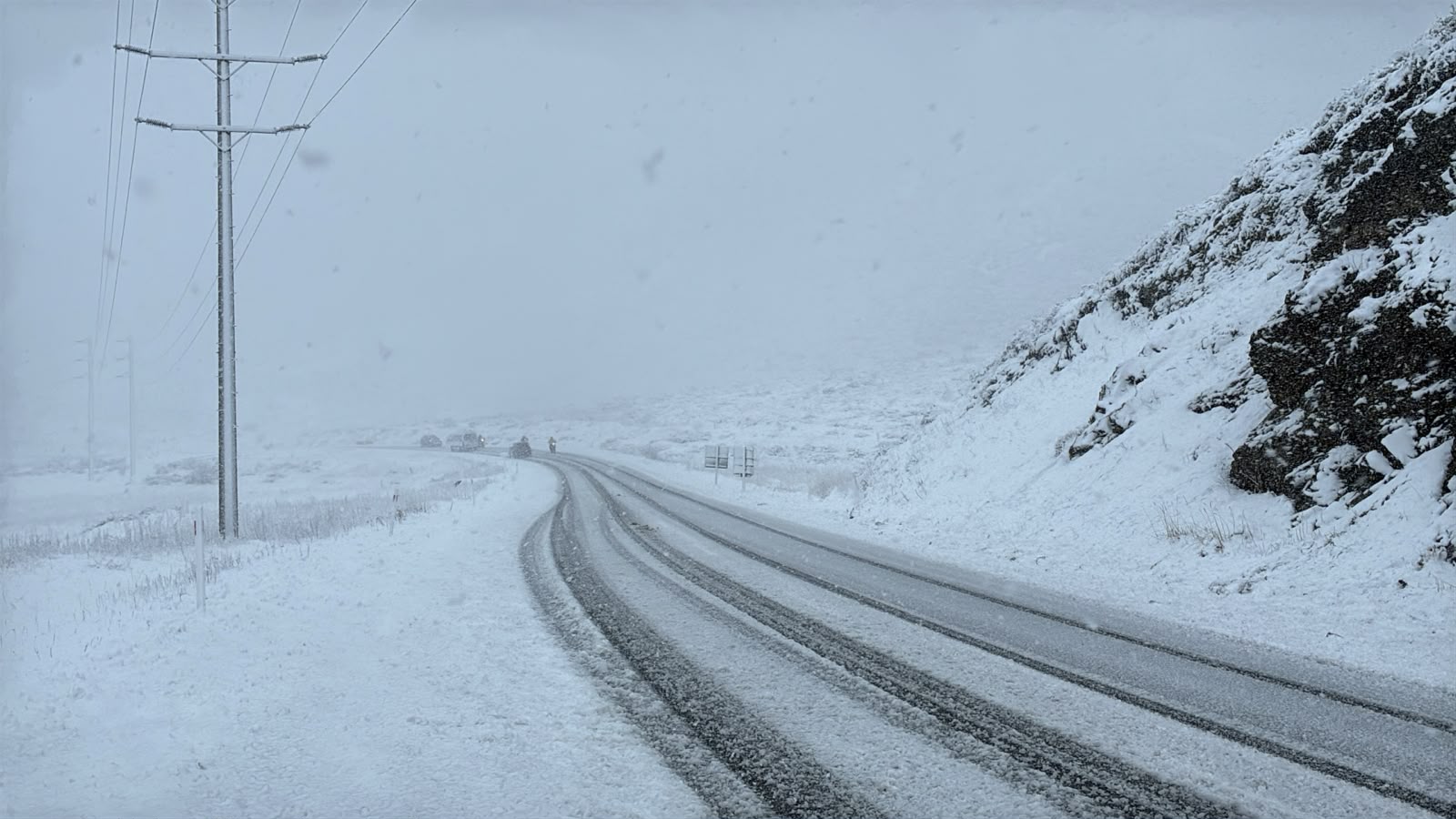
A person has been seriously injured on State Highway 75, Christchurch Akaroa Road. A police...

BodyFix Gym Christchurch in Phillipstown has taken out two major honours at the Exercise New...

Local MPs have found areas of agreement on major Resource Management Act reforms, during a...

A series of public events have been organised across Christchurch and Lyttelton over the coming...

A woman was taken to hospital after a ‘water incident’ at Parakiore Recreation and Sport...

Investigative author Nicky Hager has acknowledged information in his new book could be wrong or incomplete after facing sustained questioning from The Platform founder Sean Plunket over claims that have been publicly disputed.
Hager released Dirty Work: The Taxpayers’ Union and New Zealand’s Hard Right last week. The book examines the Taxpayers’ Union and its influence on New Zealand politics, but several people named in it have since challenged the accuracy of individual claims.
During an extended interview on The Platform, Plunket questioned Hager about allegations involving businessman Nick Mowbray and pollster David Farrar.
Plunket first raised a claim concerning Mowbray, putting it to Hager that Mowbray had categorically denied giving money to the Taxpayers’ Union or visiting its offices.
Hager said his information had come from people who had worked inside or around the organisation.
“The new book is not mostly my postulations on things. It’s the Taxpayers’ Union staff and former staff talking to me, and that’s what I was told.”
Pressed on whether he accepted Mowbray’s denial, Hager said: “I accept his word.” Plunket then asked whether that meant the book was wrong on that point.
“I don’t have a final answer either way. Sorry, I don’t,” Hager replied.
The interview then turned to Farrar, who has strongly rejected Hager’s claim that he used privileged access to National Party data to help target Taxpayers’ Union campaign material. Farrar previously described the allegation as “totally, 1000% wrong, absolutely wrong”.
Plunket asked Hager whether, following Farrar’s denial, he had gone back to the source who supplied the information.
“No, I haven’t of course,” Hager said. Plunket then asked whether Hager accepted he might be wrong.
Hager replied that anyone working with information obtained from other people had to accept that possibility.
“Every single fact that you have in every single subject, you’ve got to be open to the possibility that you’re not right, or that there’s different versions of it, or that what you’re told is only part of it.”
Hager maintained that disputes over individual claims did not undermine what he considered the broader findings of the book.
“What you’re raising so far in terms of the overall themes and force of the book is buttons and pins. It’s very small.”
Farrar has said the disputed mailing information did not come from National Party records. The Taxpayers’ Union has also accused Hager of failing to seek comment from people facing allegations before publication. That decision became another major point of contention during Plunket’s interview.
Hager confirmed that when writing ordinary news articles he routinely approached the people involved.
“When I write an article in a newspaper or an online article, I go to the people, like you do and other people do, and I get their side of the story.”
But Hager said he deliberately took a different approach with books because years of investigative work could be vulnerable to attempts to disrupt publication.
He has made the same argument elsewhere since the release of Dirty Work, saying he believed approaching the subjects beforehand could provide an opportunity for what he regarded as attempts to undermine the project. Plunket challenged whether that approach deprived those accused of an opportunity to correct potentially inaccurate information before publication.
After Hager said the book had taken about three years to research, Plunket responded: “Three years and you still got that much wrong.”