Escaped youth tracked by Eagle helicopter, found hiding in New Brighton
The young person who escaped from a youth justice facility in Rolleston has been located...


The young person who escaped from a youth justice facility in Rolleston has been located...

A person has been seriously injured on State Highway 75, Christchurch Akaroa Road. A police...

BodyFix Gym Christchurch in Phillipstown has taken out two major honours at the Exercise New...

Local MPs have found areas of agreement on major Resource Management Act reforms, during a...

A series of public events have been organised across Christchurch and Lyttelton over the coming...

A woman was taken to hospital after a ‘water incident’ at Parakiore Recreation and Sport...

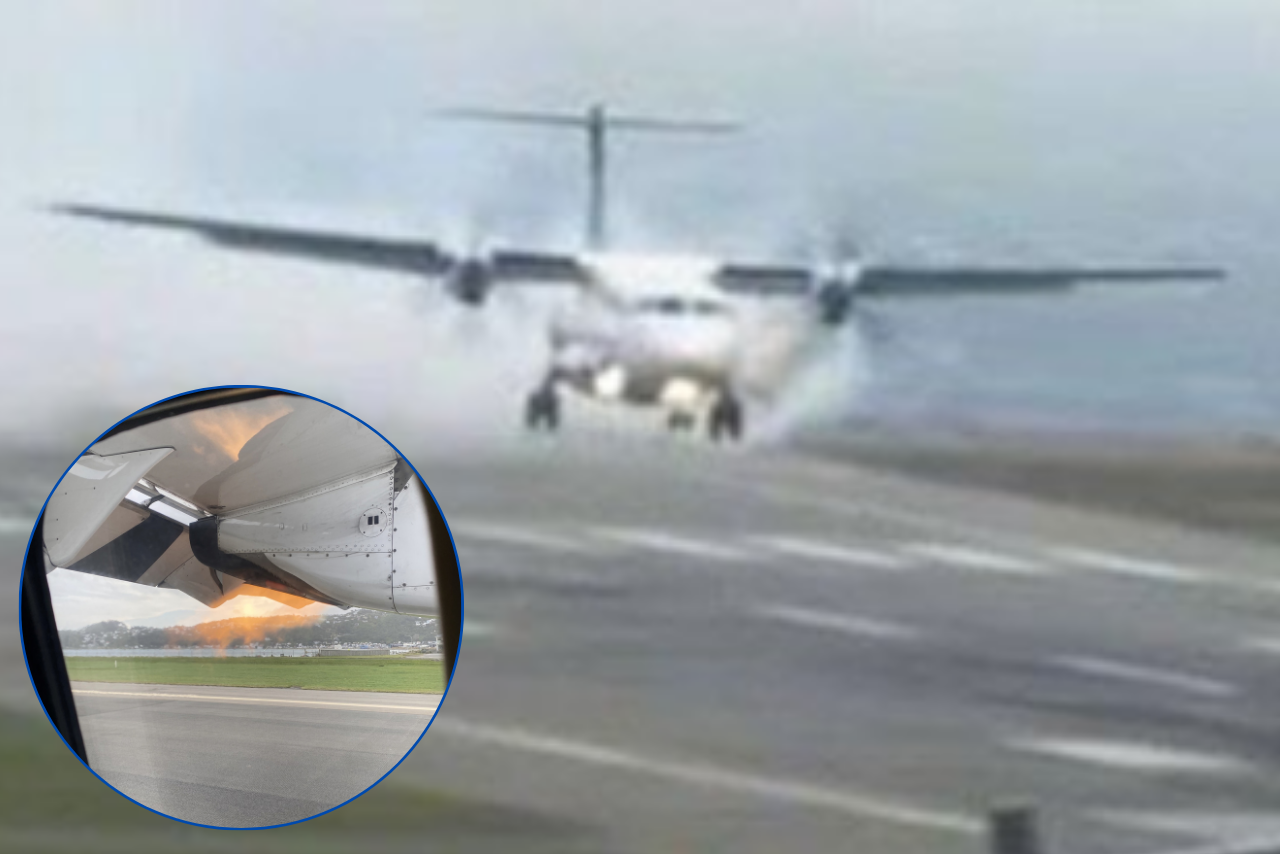
A fractured turbine blade caused an engine fire on an Air New Zealand flight from Christchurch to Wellington, with investigators also finding the evacuation took nearly twice the aircraft certification benchmark.
The Transport Accident Investigation Commission has released its final report into the incident on 1 September 2024, when the ATR72 aircraft was carrying 70 passengers and four crew.
The left engine caught fire as the aircraft approached Wellington Airport, prompting a mayday call. The pilots landed safely and stopped on the runway before discharging fire suppressant into the engine area.
Although the fire was extinguished, the warning light remained illuminated, prompting the captain to order an evacuation.
Some passengers suffered minor injuries while evacuating. Damage was confined to the left engine.
Investigators found a low pressure turbine blade had fractured because of fatigue cracking. Its failure caused vibration and damaged internal air seals, allowing oil to leak into the engine and catch fire.
The engine failed within four flying hours of an overhaul. The commission found the cracking was likely present during that work, but could not determine when it began or why it went undetected.
The commission recommended manufacturer Pratt & Whitney Canada ensure its overhaul quality assurance procedures could identify existing fatigue, reducing the risk of faulty turbine blades returning to service.
In its response, Pratt & Whitney Canada said its inspection methods and assessment processes already met the recommendation’s intent, and it would continue monitoring the component’s reliability.
The evacuation took two minutes and 51 seconds, compared with the aircraft certification benchmark of 90 seconds. The commission said longer evacuations could increase the risk to life.
Several factors contributed to the delay. Some passengers were unprepared or did not recognise an immediate threat, not all available exits were used, and passengers found the two forward exits challenging.
Many passengers also took their cabin bags despite instructions to leave them behind.
Once outside, several passengers who had used the forward left exit walked near the engine that had been on fire.
The commission said passengers needed clear instructions about where to go after leaving an aircraft, to reduce their exposure to hazards including propellers, fire and wreckage.
It recommended Air New Zealand review its crew evacuation training, passenger briefings, safety cards and evacuation commands to improve preparedness.
Air New Zealand accepted the recommendation and said some improvements had been implemented, with others being progressed.
The airline said revised passenger briefing and safety card material was targeted for December 2026. A proposed ATR cabin evacuation trainer remained subject to business case and funding approval.
The commission welcomed the airline’s work but said the evacuation safety issues had not yet been fully addressed.
Its message to passengers was to pay attention to safety briefings, leave bags behind during an evacuation and follow crew instructions, including after leaving the aircraft.