Escaped youth tracked by Eagle helicopter, found hiding in New Brighton
The young person who escaped from a youth justice facility in Rolleston has been located...


The young person who escaped from a youth justice facility in Rolleston has been located...

A person has been seriously injured on State Highway 75, Christchurch Akaroa Road. A police...

BodyFix Gym Christchurch in Phillipstown has taken out two major honours at the Exercise New...

Local MPs have found areas of agreement on major Resource Management Act reforms, during a...

A series of public events have been organised across Christchurch and Lyttelton over the coming...

A woman was taken to hospital after a ‘water incident’ at Parakiore Recreation and Sport...

Fran O’Sullivan’s column isn’t wrong when it talks up the city.
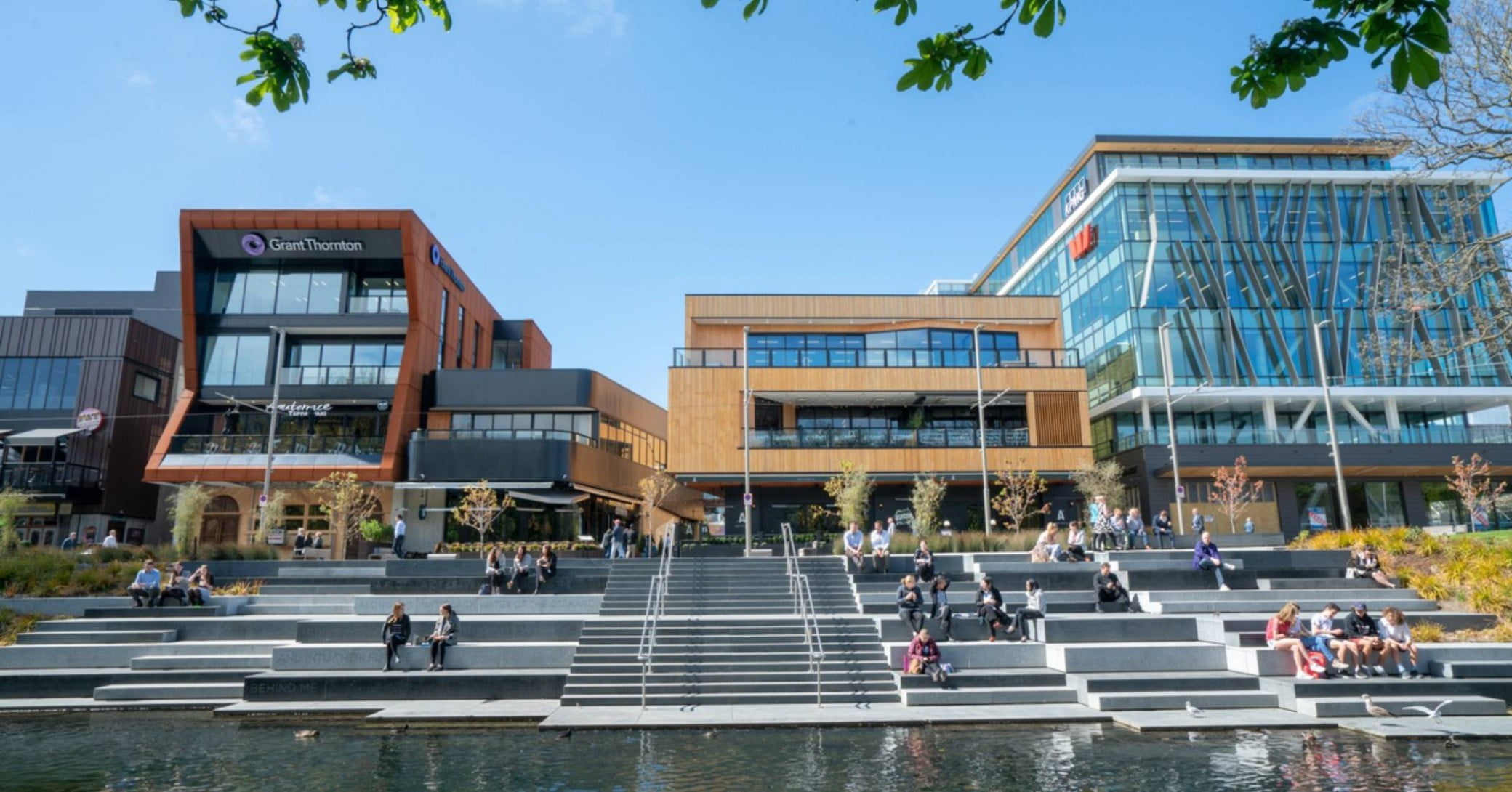
The central city is busier than it’s been in years, Riverside is regularly packed, the new stadium is actually pulling people back in, and hospitality operators are finally seeing some of the momentum they’ve been waiting on for a long time.
That recovery is real, and it didn’t come easy.
What grates is the way it’s framed. A hard-won story gets dressed up in the usual business lobby language, as though none of it really counted until the right people sat down and wrote a glossy document called ‘Canterbury Ambition.’
The rebuild didn’t happen because someone found the right words for a strategy paper.
It happened because ratepayers and taxpayers carried massive costs for years, because businesses took risks and hung on through the uncertainty, because construction crews kept turning up, and because ordinary people kept backing a city that was, for a long stretch, a bloody mess to live in.
That confidence wasn’t delivered in a PDF.
It was earned the hard way, one difficult year at a time.
The document itself doesn’t really say anything bold.
It’s the same list you see in every economic development pitch, better infrastructure, more investment, innovation, talent attraction, lifestyle, a stronger voice in Wellington. All perfectly reasonable.
None of it is particularly brave or original.
What it carefully avoids are the harder questions: who’s actually going to pay for the infrastructure, who gets to set the priorities, and what happens when what suits the business community doesn’t line up with what residents can afford or want?
Business Canterbury is doing exactly what a business lobby is supposed to do advocating for its members. That’s fine. But these documents have a habit of being presented as if they represent some kind of broad regional consensus, when really they’re the product of a relatively small group of people validating their jobs.
And when that gets amplified by media partners, it starts to look less like analysis and more like everyone nodding along in the same room.
Christchurch has been the economic engine of the South Island for generations.
The airport, the port, the universities, the health and tech sectors, the Antarctic gateway role, the food production and logistics, none of that needed to be discovered by an Auckland columnist or blessed at a business breakfast.
It was already here, doing the heavy lifting long before anyone decided to brand it as ambition.
The part that feels off is the sense that some of the people now positioning themselves at the centre of this story are more interested in staying relevant than in adding anything new.
Christchurch doesn’t need another round of professional networkers turning up to explain the city to itself, or writing themselves into a recovery they arrived late to.
The place rebuilt itself while it was still broken. It doesn’t need a fresh coat of branding to know it matters.
By all means have the debate about where Canterbury goes next. Growth, infrastructure, housing, rates, these are real issues that deserve proper scrutiny.
But don’t confuse a lobby group’s wishlist with a citywide mandate, and don’t let the back-slapping replace the harder conversation about who carries the cost and who actually benefits.
Christchurch has already shown more ambition than any document could capture.
It showed it every time people kept paying, kept working, and kept believing in the place when it would have been easier to walk away.
That story belongs to them, not to the people now trying to turn it into their own talking point.