Escaped youth tracked by Eagle helicopter, found hiding in New Brighton
The young person who escaped from a youth justice facility in Rolleston has been located...


The young person who escaped from a youth justice facility in Rolleston has been located...

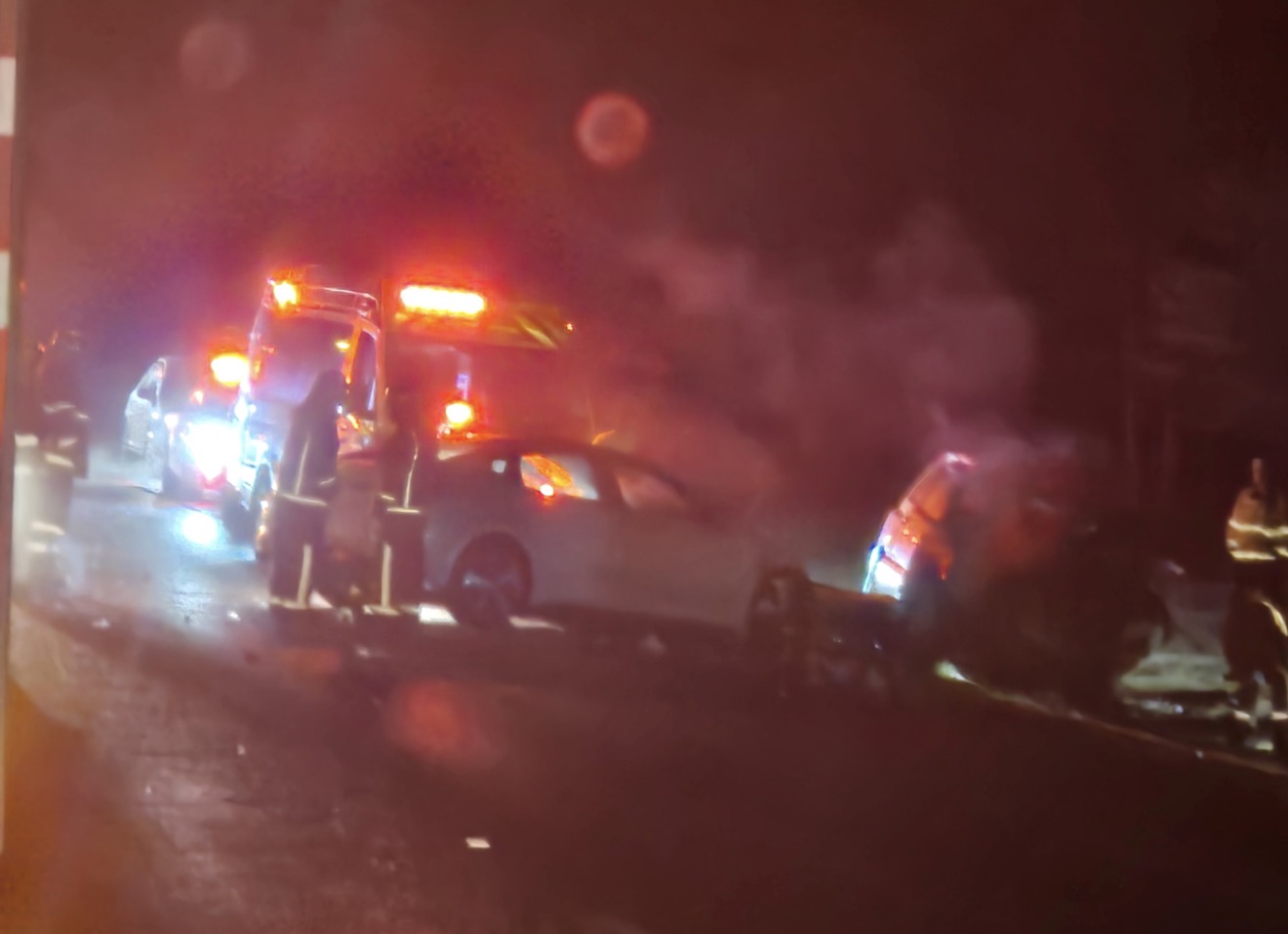
A person has been seriously injured on State Highway 75, Christchurch Akaroa Road. A police...

BodyFix Gym Christchurch in Phillipstown has taken out two major honours at the Exercise New...

Local MPs have found areas of agreement on major Resource Management Act reforms, during a...

A series of public events have been organised across Christchurch and Lyttelton over the coming...

A woman was taken to hospital after a ‘water incident’ at Parakiore Recreation and Sport...

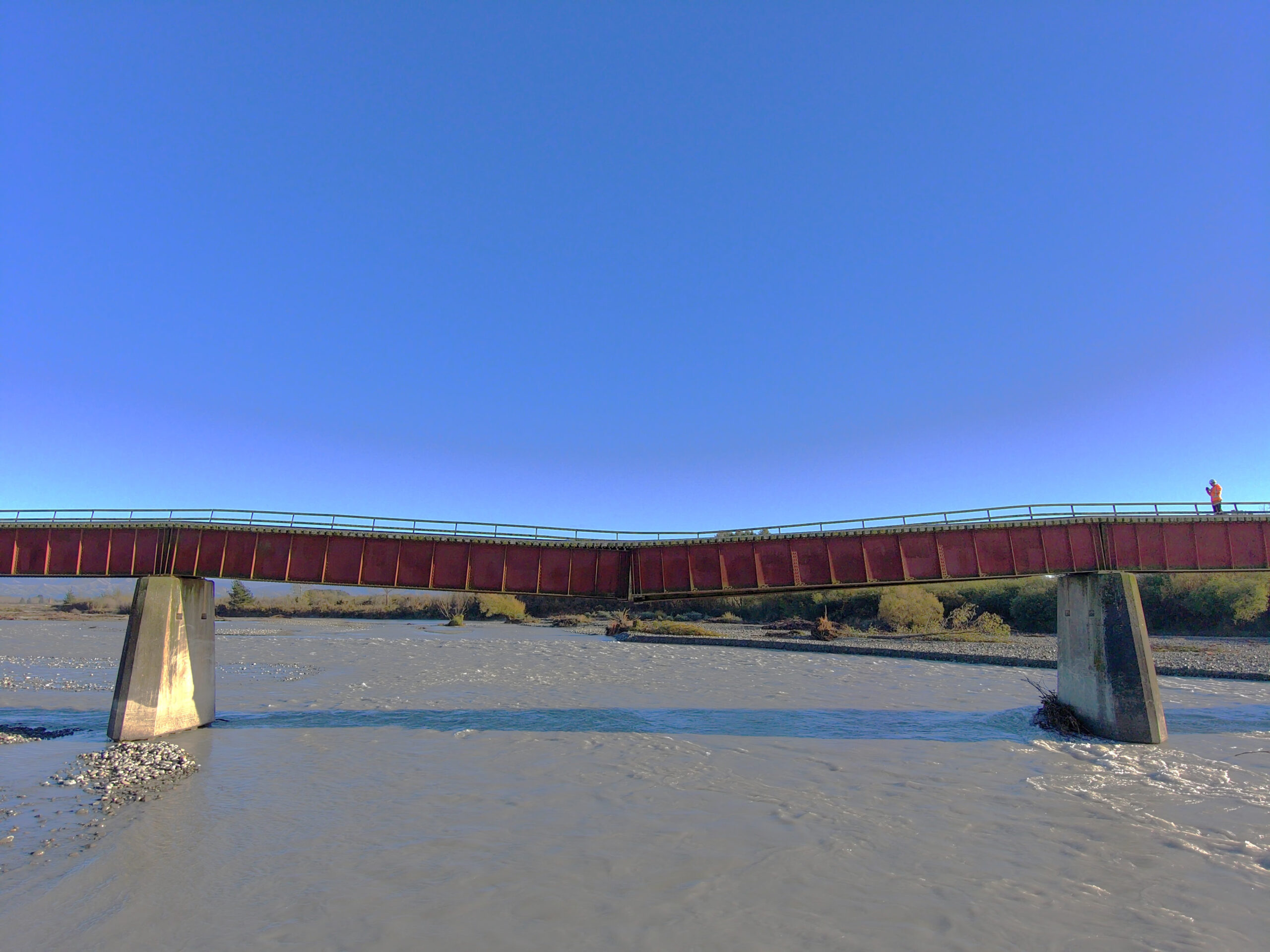
A railway bridge on the Main South Line was left open to trains after one of its piers collapsed into the flooded Rangitata River, with the danger only discovered when a member of the public phoned it in, a Transport Accident Investigation Commission report has found.
The commission found that if a train had crossed the damaged bridge, a derailment was virtually certain and the consequences would have been catastrophic.
Pier 8 of Bridge 57, near Rangitata in South Canterbury, collapsed into the river at about 10.30am on 12 April 2024 during a high river flow caused by heavy rain in the Southern Alps.
No trains were on the bridge at the time and there were no injuries, but the collapse caused significant structural damage.
The report, published on Thursday, found scheduled services were still able to use the line after the pier gave way.
KiwiRail did not become aware of the collapse until a member of the public contacted train control at 11.28am, almost an hour later.
The track was then closed immediately.
The next scheduled service, a southbound freight train, had been due to cross at about 2.45pm.
The commission found that had the line stayed open and a train crossed the compromised spans, a loss of vertical support and derailment was virtually certain.
It said the consequences would very likely have included serious injury to the train crew, major damage to the locomotive and leading wagons, and significant environmental damage to the river.
The report also found that two KiwiRail freight trains crossed Bridge 57 earlier that morning, at about 6.10am and 8.30am, when the river flow was very likely above KiwiRail’s red alert level.
A red alert called for operations to cease.
The commission said the flow presented a significant and unmitigated risk to the locomotive engineers and to a track worker who later inspected the bridge.
The commission found the collapse was very likely caused by scour, with floodwater in the braided river washing away the riverbed material that supported the piles beneath Pier 8.
As the support was lost, the pier sank, rotated about 45 degrees and toppled into the river.
KiwiRail was aware of the scour risk at Bridge 57 but was not proactively monitoring or managing it, the report found.
A track ganger inspected the bridge at 8.53am and reported it safe to remain open, but the inspection involved a run across the bridge in a hi rail vehicle and photographs of the river level, and did not specifically examine the piers or debris.
The commission said the track ganger had received no training in inspecting a bridge during a river flow event or in identifying signs of scour, and that the decision to keep the line open was based on the river having flowed higher in the past without damaging the bridge.
The report identified three safety issues.
It found KiwiRail’s inspections of Bridge 57 were not carried out in line with its own standards, its asset management plan for the bridge did not include a plan to mitigate the known scour risk, and its severe weather response did not account for risks specific to individual assets.
The commission said there were similarities with a 2002 derailment at the same location, when Train 929 ran into a track subsidence beside the Rangitata River, sending two locomotives and five wagons into the water.
It said some of the issues identified then were still present.
The commission made three recommendations to KiwiRail’s chief executive in April this year, covering inspection and audit compliance, a documented risk based system for flood and scour risk, and a review of response plans for high risk assets.
KiwiRail accepted all three.
KiwiRail said it had updated its inspection standard to require drone surveys of braided rivers, including after major floods, and was developing asset specific response plans for high scour risk bridges.
It said there were 152 bridges on its Essential Features List for scour risk, with reviews expected to be completed by September 2029, and 690 assets in total, with that work due by September 2030.
Bridge 57 was built in 1936 and is 610 metres long.
KiwiRail manages about 1600 bridges across the national rail network.