Escaped youth tracked by Eagle helicopter, found hiding in New Brighton
The young person who escaped from a youth justice facility in Rolleston has been located...


The young person who escaped from a youth justice facility in Rolleston has been located...

A person has been seriously injured on State Highway 75, Christchurch Akaroa Road. A police...

BodyFix Gym Christchurch in Phillipstown has taken out two major honours at the Exercise New...

Local MPs have found areas of agreement on major Resource Management Act reforms, during a...

A series of public events have been organised across Christchurch and Lyttelton over the coming...

A woman was taken to hospital after a ‘water incident’ at Parakiore Recreation and Sport...

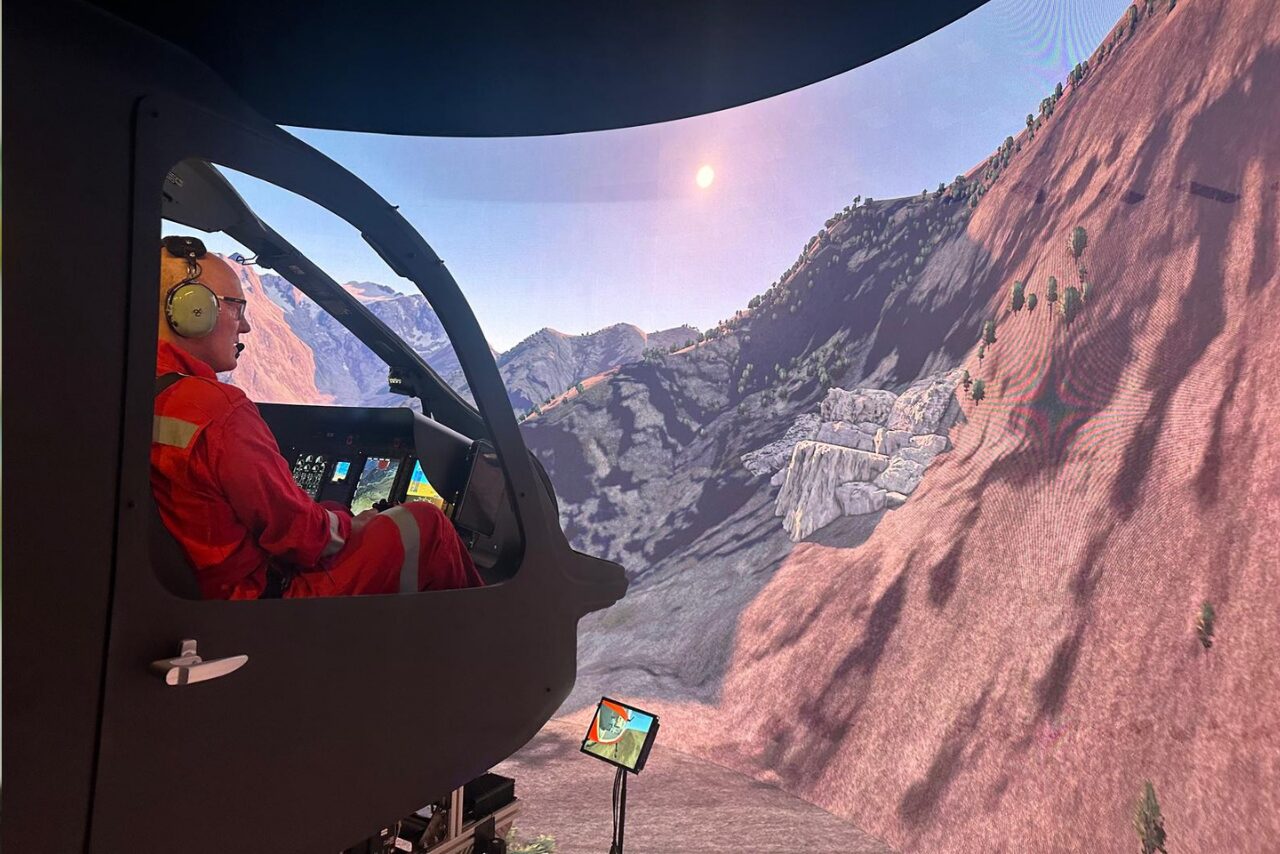
Christchurch is now home to one of the world’s most advanced rescue helicopter simulators, in a major boost for aviation training across the region.
The Canterbury West Coast Air Rescue Trust has purchased a $2.7m Entrol H145 FNPT II MCC cockpit and winch simulator for crews operating the Westpac Rescue Helicopter across Canterbury, the West Coast and the top of the South Island.
It is one of only five joint cockpit and winch simulators in the world, and the only one designed to replicate the exact winch configuration and distinctive terrain local crews work in.
Trust Chairman Murray Willocks said the simulator would transform training.
“It is an incredible piece of kit which will revolutionise how we prepare rescue helicopter crews for the life and death situations they face every day,” Willocks said.
Installed at the GCH Aviation Air Rescue Base in Christchurch by engineers from Spain, the simulator allows pilots, paramedics and winch operators to train together in highly realistic emergency scenarios without risk to staff, patients or aircraft.
Rescue helicopter pilot and IFR training manager Brent Fredericksen said the realism was extraordinary.
“The visuals are the best I’ve ever seen and the integration with the winch operator feels exactly like a real rescue mission. It’s simply incredible.”
The simulator can recreate weather, time of day, wind, cloud, helicopter downwash, boat movement, alpine terrain, slopes, rocks and trees. High-definition local environments, including Mt Rolleston and Crow River Valley, have been developed for realistic alpine and rescue training.
It also includes a full H145 cockpit replica, 220° x 80° visual field, real aircraft systems, vibration and sound effects, and a Mixed Reality Hoist Operator Station using green screens and virtual reality goggles.
Critical care paramedic and winch operator Shane Lynch said the technology would be “game-changing” for crew communication and safety.
“These are situations we hope never to face, but now we can prepare for them safely in an environment that feels real,” Lynch said.
The simulator is expected to save around 220 hours of training flying time each year and allow crews to practise emergency procedures previously only discussed on paper, including winch cable cuts and hooks becoming caught in trees.
Willocks said the purchase was made possible through community support.
“If you’ve donated to a rescue helicopter appeal, dropped money in a bucket, or are one of our regular donors, this is the difference your contribution has made.”
The Trust has also purchased four H145 rescue helicopters, with three now in service and a fourth due to begin operating in the coming months.