Escaped youth tracked by Eagle helicopter, found hiding in New Brighton
The young person who escaped from a youth justice facility in Rolleston has been located...


The young person who escaped from a youth justice facility in Rolleston has been located...

A person has been seriously injured on State Highway 75, Christchurch Akaroa Road. A police...

BodyFix Gym Christchurch in Phillipstown has taken out two major honours at the Exercise New...

Local MPs have found areas of agreement on major Resource Management Act reforms, during a...

A series of public events have been organised across Christchurch and Lyttelton over the coming...

A woman was taken to hospital after a ‘water incident’ at Parakiore Recreation and Sport...

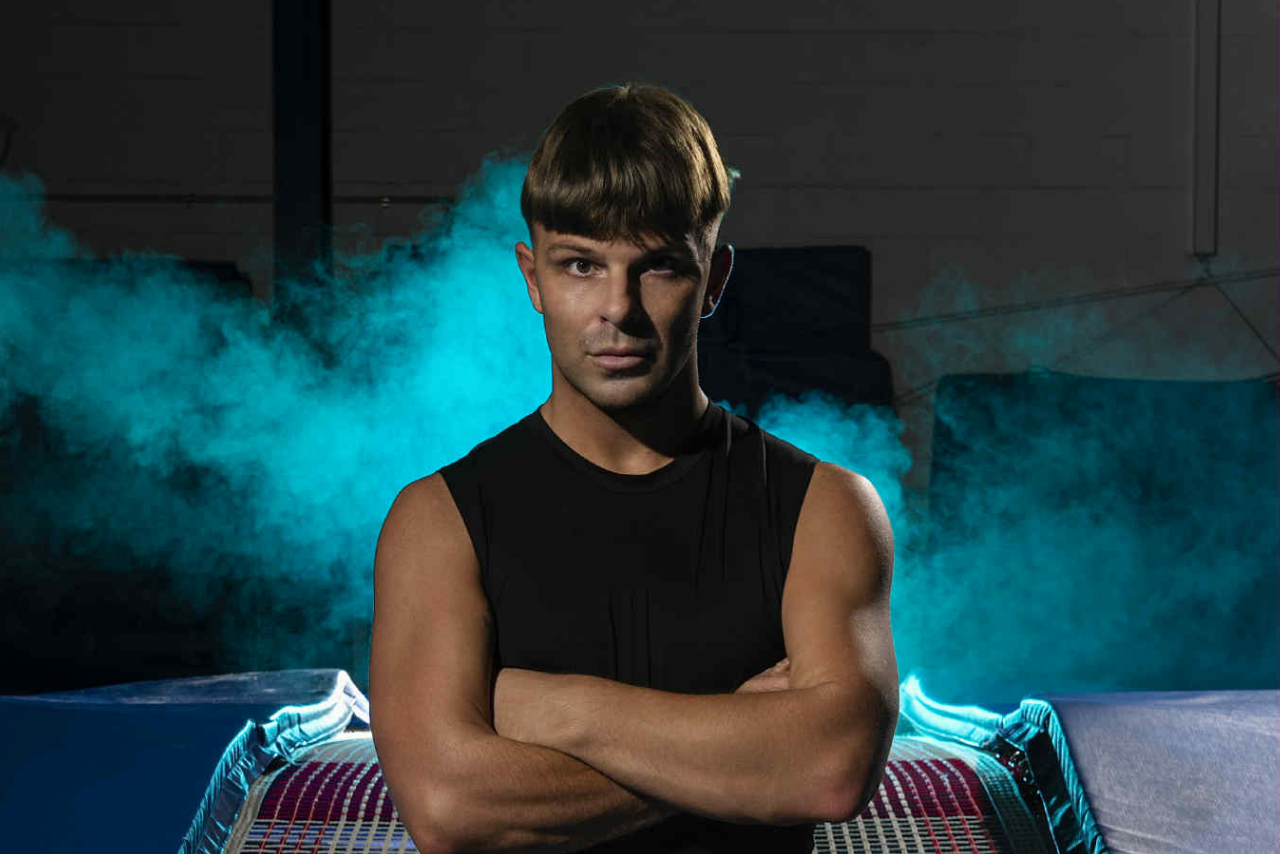
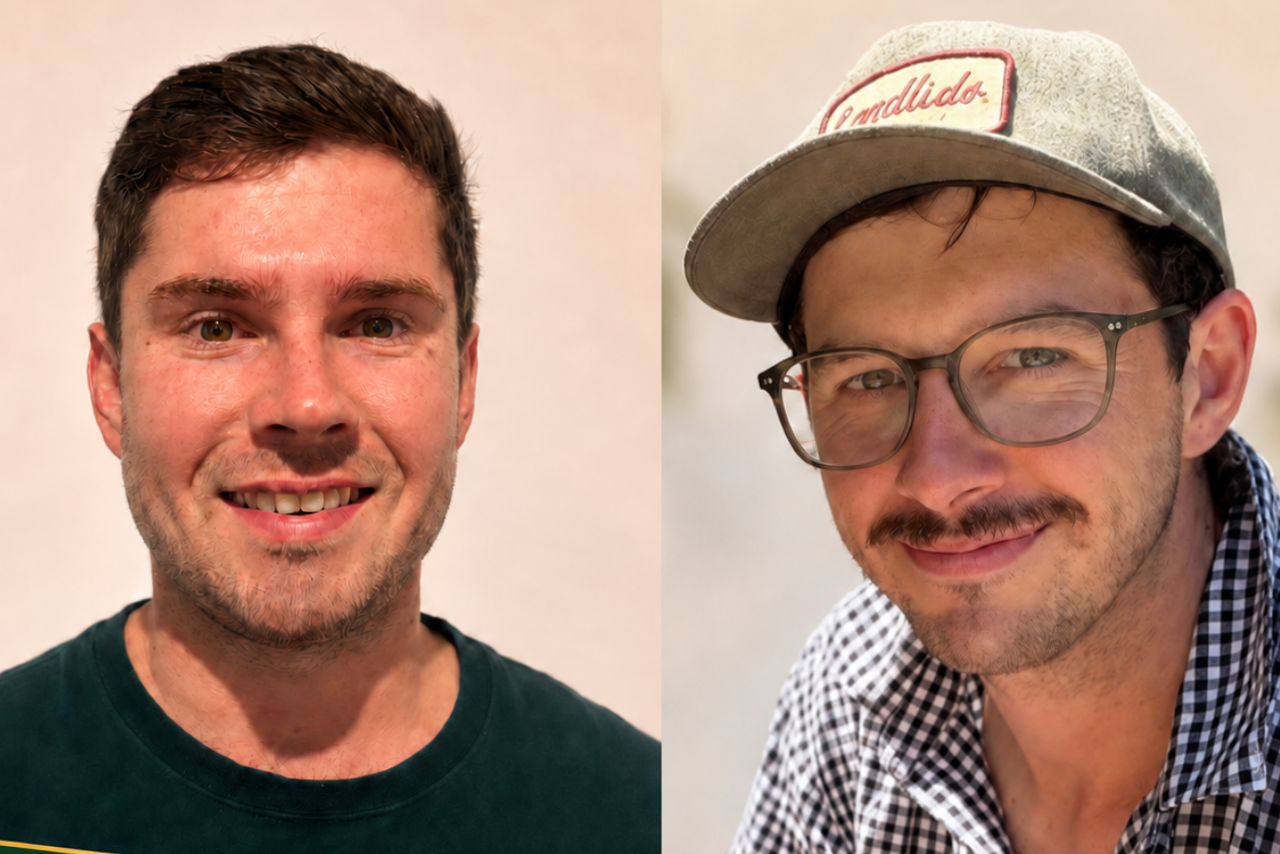
A 33 year old former Christchurch athlete has qualified for the 2026 Trampoline World Cup in Portugal, capping an eight year comeback and opening the next chapter of a campaign he hopes will change the way New Zealand supports its athletes.
Kieran Craig Growcott, now based on the Gold Coast, secured his spot on the New Zealand team after returning home in March for a centralised World Cup trial.
“On the day, I left everything out there. There was no holding back physically or mentally,” Growcott said. “I knew I had done my job, but I also had to release control and trust the process completely. That part was difficult, sitting with uncertainty after giving everything you have.”
The confirmation of his selection arrived days later. He said the moment was not one of celebration but of quiet reflection.
“It wasn’t a big emotional explosion. It was quiet. Grounding. It felt like a full circle moment of realising I had performed under pressure, but also learned how to separate outcome from effort in a much healthier way than I ever could have earlier in my career.”
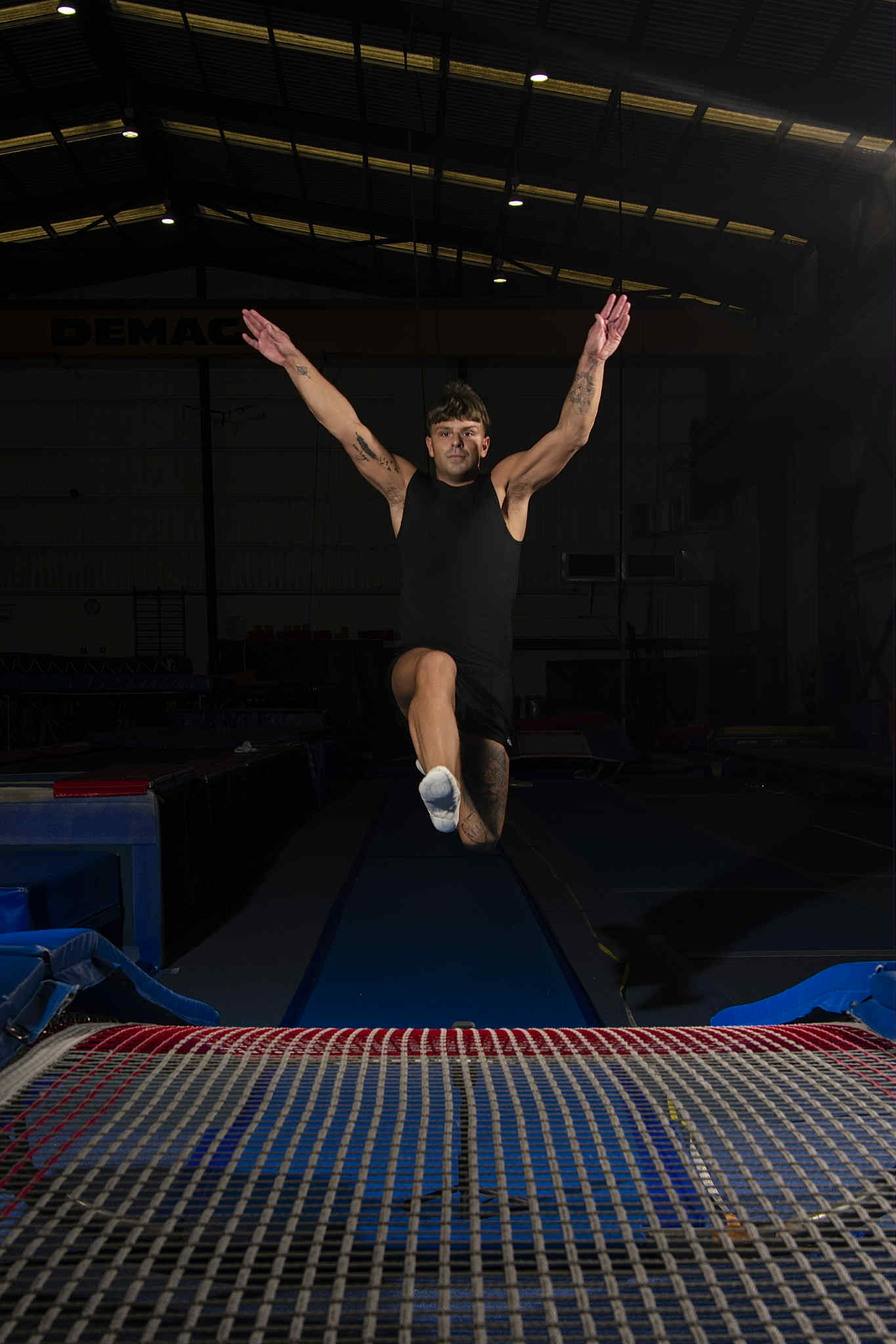
Kieran Craig Growcott
Eight years away, and a long road back
Growcott began gymnastics at the age of two and switched to trampoline at seven, rising through the ranks of a sport that has always sat well outside the New Zealand mainstream. He retired from competition eight years ago, and in that time weathered a series of setbacks that stripped away the identity he had built in sport.
“During my time away, I went through serious injuries, including one that nearly led to paralysis, an autoimmune condition, financial pressure, and a long mental health battle rooted in childhood trauma and identity loss,” he said.
“When I retired, I didn’t just leave sport. I lost who I thought I was. That led to a period of depression and very dark mental health struggles where I genuinely didn’t know my place anymore.”
He rebuilt his life working full time as a senior hairdresser on the Gold Coast, a world away from the elite sporting environment he had known. That perspective, he said, is what shapes his comeback today.
“I still have a strong competitive drive, but I also have perspective. I understand now how fragile identity can be in sport, especially for younger athletes, and how important mental health and neurodiversity support actually is within high performance environments.”
The cost of competing at the top
Double mini trampoline is not a funded sport in New Zealand, and Growcott has had to pay his own way back to the international stage. Training, coaching, rehabilitation, travel, and a share of competition management costs for the New Zealand team all come out of his own pocket.
“I’ve had to self fund almost everything to stay at an international level,” he said. “The sport has progressed globally, but the support systems at home haven’t evolved with it. That gap doesn’t just affect athletes. It impacts families and long term athlete wellbeing.”
His early career was carried by his parents, a sacrifice he said he only now fully understands.
“They sacrificed a huge amount so I could even get to a starting point in the sport. I understand now what that actually cost them, and that perspective never leaves me.”
A typical week sees Growcott juggling full time work with elite training, including trips to Brisbane two to three times a week, each about 90 minutes each way, to access the facilities he needs.
He has built long beach walks into his routine as a non negotiable for his mental health.
“It’s something I didn’t understand earlier in my career, but now I see it as essential to performance, not separate from it.”
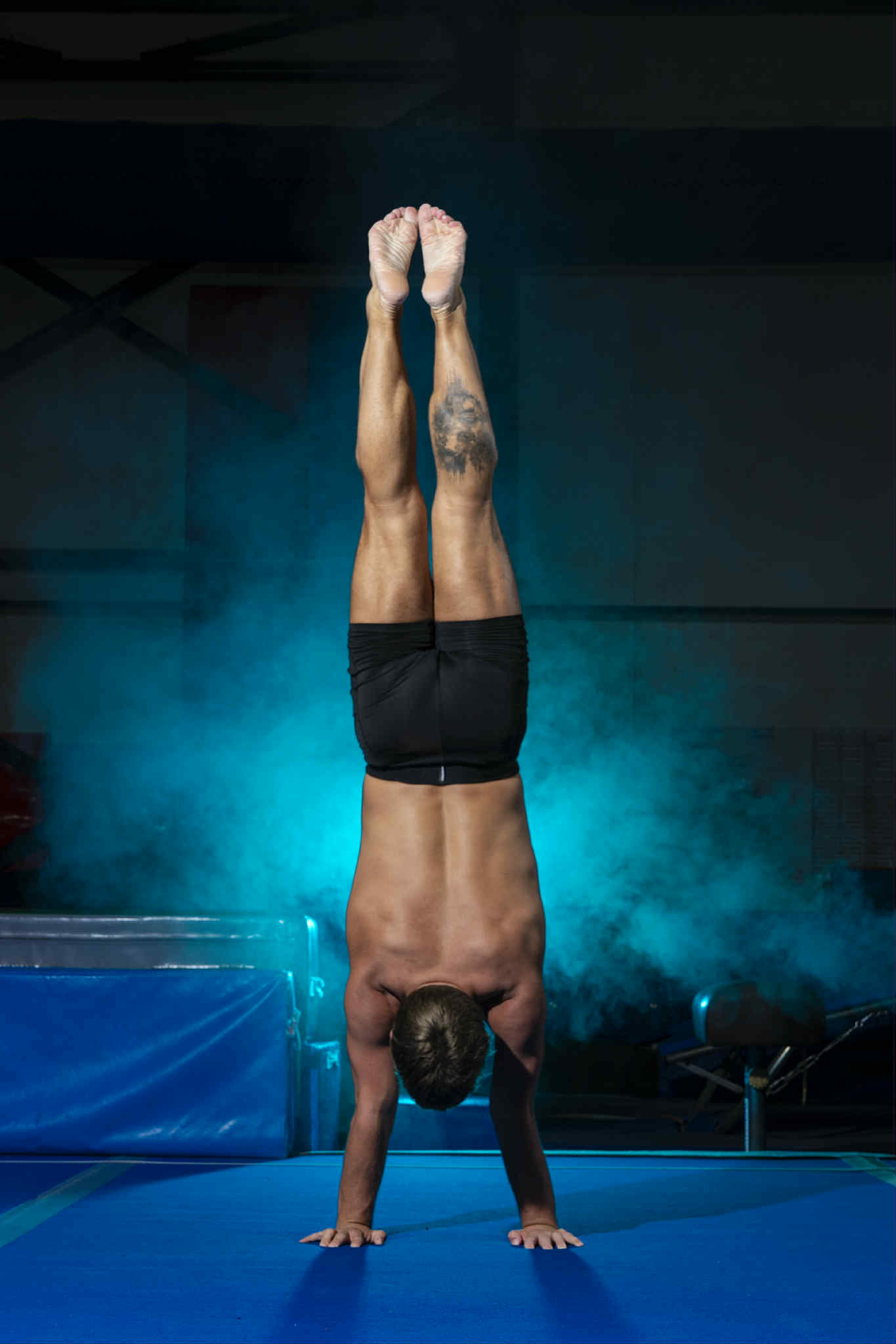
Kieran Craig Growcott
Voice in the Air
Out of that experience has grown a platform Growcott is calling Voice in the Air, which he describes as a campaign to shine a light on the realities elite athletes face behind the scenes, including mental health, neurodiversity, identity loss, and financial strain.
“I want to be a voice for athletes who feel unseen, overwhelmed, or pressured into silence. I want younger athletes to understand that struggle, identity shifts, and mental health challenges don’t define the end of their career.”
He has launched a GoFundMe to help keep his campaign alive and is calling on organisations and businesses to come on board, not only as sponsors, but as partners in a wider mission.
“I’m genuinely open to speaking with any organisations, brands, or companies who would like to build a partnership, not just sponsorship, but meaningful collaboration that creates real impact beyond sport.”
Growcott credits his home city with much of the mindset that has carried him this far.
“Christchurch shaped everything about me. It’s a city built on resilience. You grow up around adversity and rebuilding, and that becomes part of your mindset. You learn to adapt, reset, and keep moving forward no matter what.”
He said Canterbury’s competitive sporting culture forged his discipline from a young age, and his family’s unwavering support has remained his foundation.
Next stop, Portugal, then China
The Portugal World Cup is a qualifying event for the Trampoline World Championships in China later this year, which Growcott now has firmly in his sights. Between now and then, he said, it is about delivering routines repeatedly at an international standard and staying healthy under constant pressure.
“I’m not just an athlete anymore. I’m the voice that needs to be heard in spaces where athletes often aren’t. My goal is bigger than medals now. It’s about creating change, building awareness around mental health and neurodiversity in sport, and helping ensure the next generation doesn’t have to fight alone for funding, understanding, or support.”
“And while I’m doing that, I’m still pushing to perform at the highest level in the world. Both can exist at the same time, and that’s exactly what this journey represents.”