Escaped youth tracked by Eagle helicopter, found hiding in New Brighton
The young person who escaped from a youth justice facility in Rolleston has been located...


The young person who escaped from a youth justice facility in Rolleston has been located...

A person has been seriously injured on State Highway 75, Christchurch Akaroa Road. A police...

BodyFix Gym Christchurch in Phillipstown has taken out two major honours at the Exercise New...

Local MPs have found areas of agreement on major Resource Management Act reforms, during a...

A series of public events have been organised across Christchurch and Lyttelton over the coming...

A woman was taken to hospital after a ‘water incident’ at Parakiore Recreation and Sport...

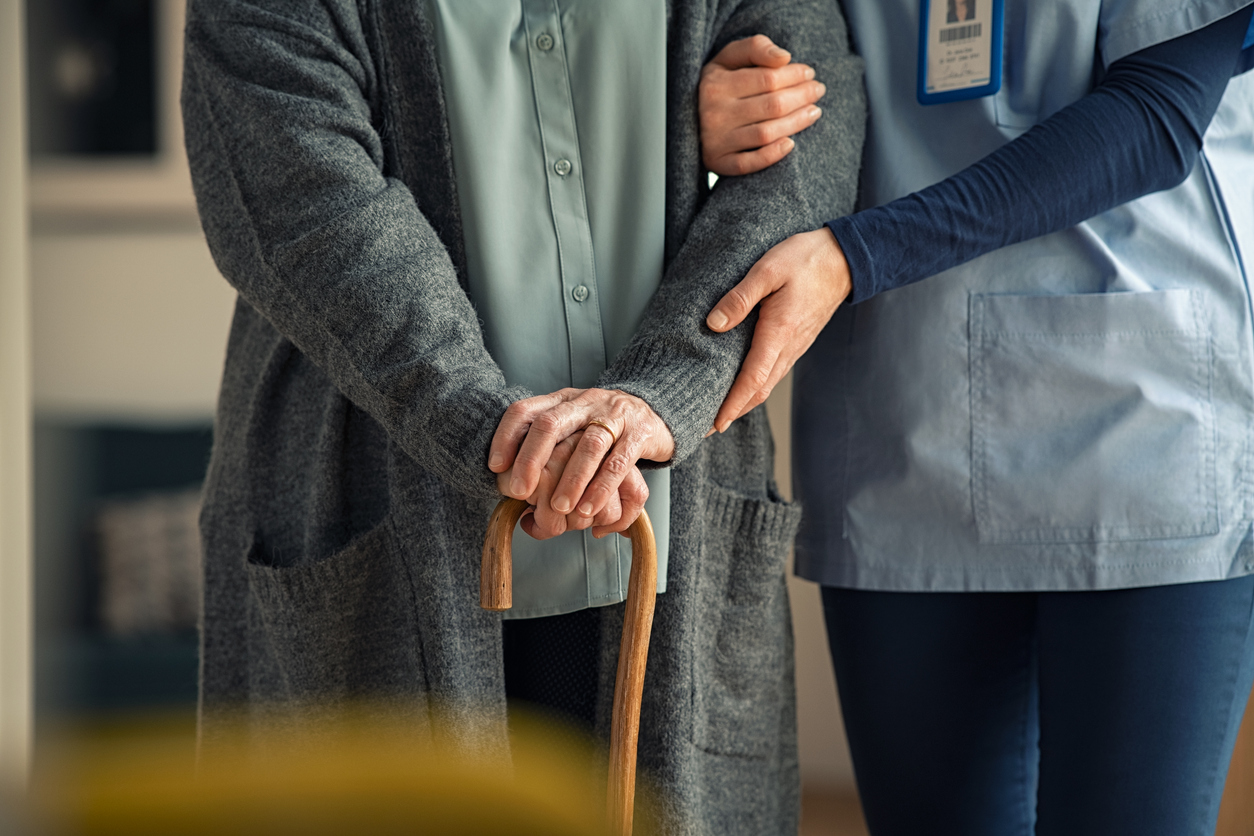
Health care assistants are warning vulnerable hospital patients are being put at risk as staff shortages worsen and winter approaches.
The New Zealand Nurses Organisation said Health New Zealand was increasingly relying on cohort patient watches, where one health care assistant is expected to monitor several high risk patients at the same time.
Christchurch health care assistant and NZNO delegate Al Dietschin said staff had formally raised concerns with local leadership.
“In Christchurch, health care assistants have written to local Te Whatu Ora leadership to raise our concerns that short staffing and cohort patient watches are inherently unsafe and places both patients and staff at considerable risk,” she said.
Patient watches are used for people considered a danger to themselves or others, including patients with confusion, dementia, delirium or mental health issues.
Dietschin said the consequences were already being seen. “There have already been documented incidents of patient harm directly resulting from the use of these cohort watches,” she said.
“With winter approaching, the situation is now at a critical point.”
“The NZNO members are extremely concerned that without immediate and substantive change, further patient harm is not just possible, but inevitable.”
She said the work often involved patients with highly complex needs.
“The patients we watch are often highly agitated, have dementia or deliriums and can have mental health issues,” she said.
“They often have intravenous lines, drains, nasogastric tubes and catheters in which they can pull out, causing them further distress and trauma.”
“They can hurt themselves in falls if they are not constantly watched.”
Dietschin said conditions were deteriorating.
“Despite 18 months of raising concerns with Te Whatu Ora in bargaining about understaffing, the situation is getting worse,” she said.
Auckland health care assistant and NZNO delegate Anamei Graham said trying to watch multiple patients at once was unsafe for everyone involved.
“It is very difficult to watch several such patients at once if they are put into a cohort, especially if they are in different rooms. It is not safe for them, and it is not safe for the kaiāwhina watching them,” she said.
Graham said the pressure was also being felt by families.
“Whānau are asked to help but they are not trained to provide patient supervision and monitor changes in behaviour,” she said.
“Often it is a spouse caregiver who really needs some respite from 24 7 care themselves.”
She said many health care assistants were exhausted and overwhelmed.
“We are pulled in all sorts of directions at once and we are stressed out and burnt out,” she said.
“There’s not enough HCAs on the wards and patients and whānau can feel it.”