Escaped youth tracked by Eagle helicopter, found hiding in New Brighton
The young person who escaped from a youth justice facility in Rolleston has been located...


The young person who escaped from a youth justice facility in Rolleston has been located...

A person has been seriously injured on State Highway 75, Christchurch Akaroa Road. A police...

BodyFix Gym Christchurch in Phillipstown has taken out two major honours at the Exercise New...

Local MPs have found areas of agreement on major Resource Management Act reforms, during a...

A series of public events have been organised across Christchurch and Lyttelton over the coming...

A woman was taken to hospital after a ‘water incident’ at Parakiore Recreation and Sport...
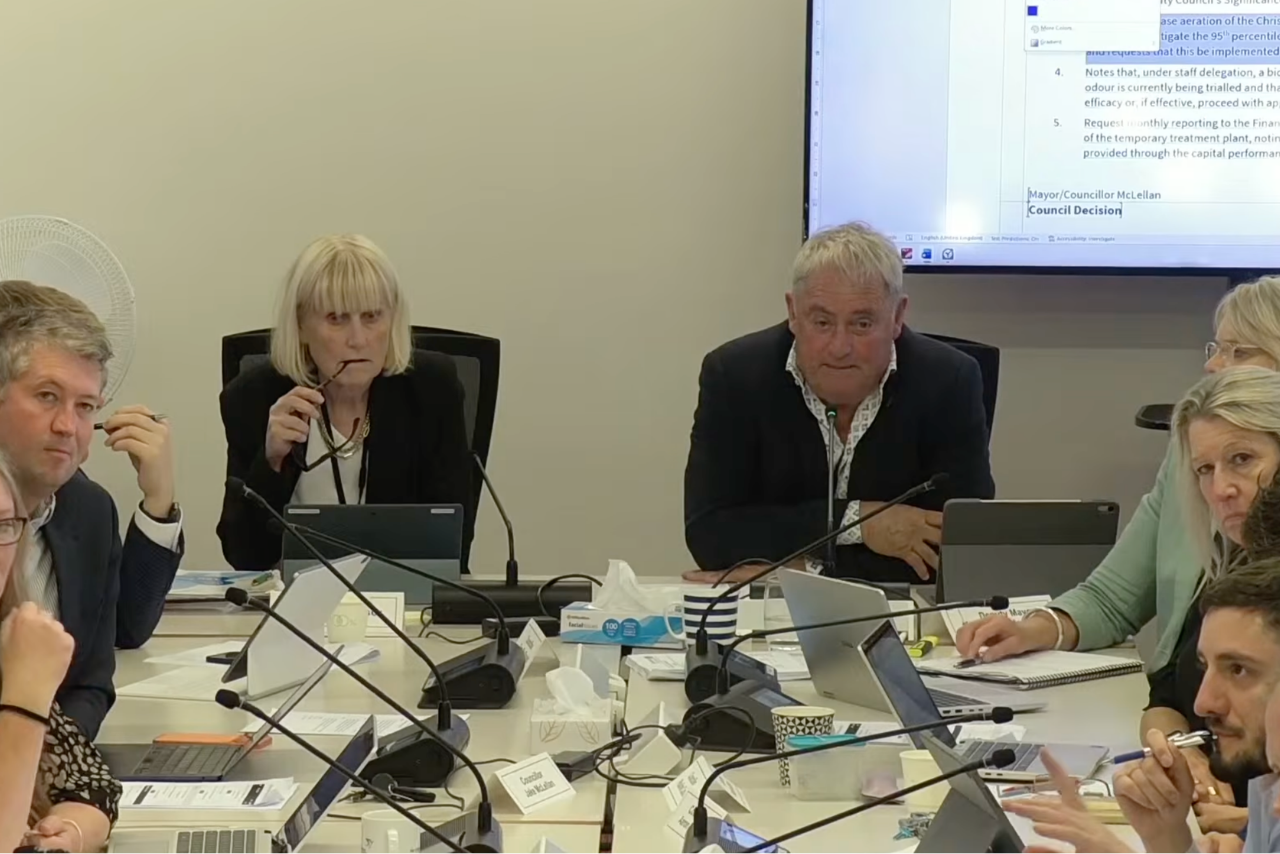
Christchurch City Council has approved the installation of additional aerators at the city’s fire damaged wastewater treatment plant, in a move aimed at reducing ongoing odour issues affecting eastern suburbs.
The decision follows sustained pressure on the oxidation ponds since a major fire in 2021, which damaged critical infrastructure and forced the system to operate well above its normal capacity.
The council backed a staff recommendation to install 16 additional aerators, which will pump air into the ponds to increase oxygen levels and improve the breakdown of waste.
Staff have said the persistent stench affecting eastern suburbs is linked to high biological oxygen demand levels in the ponds, particularly during warmer weather when conditions worsen.
The option approved by councillors is expected to reduce the risk of offensive odours on around 95 percent of days each year, at a cost of $7.7 million.
A more extensive option involving 21 aerators, which could have reduced odour risk to around 99 percent of days but at a higher cost of $11.2 million, was not recommended by staff.
The new aerators are expected to be operational within 6 to 10 weeks, with council staff also given authority to install additional units quickly if conditions deteriorate.
Christchurch Mayor Phil Mauger said, “We’ve been committed to finding a solution for the people of the east who have been affected by the stench.”
“We needed to look at all possible solutions, so people know we are doing the very best for the community. Now we’ve made a decision we can get on with it as quickly as possible.”
The decision comes amid ongoing frustration from residents, with thousands of odour complaints recorded during peak periods over summer and increasing regulatory pressure, including an abatement notice from the regional council.
Councillors were presented with several options during a workshop last month, followed by a full cost and risk assessment by staff.
Increasing aeration was considered the most practical and effective short term solution. It is simpler to build and operate, carries a lower risk of failure, avoids discharging treated wastewater into the ocean, and can be delivered faster than other options.
Christchurch City Councillor Yani Johanson said “We cannot change the past, but we can change the future.”
Johanson said the issue had caused significant harm in parts of the east and needed to be treated as a serious public health concern.
“I’ve just been looking at an email from one of my constituents who’s talked about this being a public health issue, and that it really is something that needs to be given serious consideration.”
Christchurch City Councillor Celeste Donovan said, “This is something that has actually been a problem for decades, but the worst of it has been happening for what is nearly five years. And my maths is right, that’s 1773 days. So that’s a long time.”
“And when we talk about the stench, it’s all degrees. You have really bad days, you have terrible days, but it’s always there. So it’s not like it goes away.”
“What we’re looking at today is the worst of it, but there will still be a bad smell, and people have been living with this for far too long.”
“So I think when we talk about cost, and I know that that’s always a factor. We have to look at the cost of people’s lives, their health and their well being.”
Some councillors expressed concern the council did not pursue the larger aeration option, saying the community had already endured years of disruption and deserved the strongest possible response.
Work is continuing on the long term fix, the activated sludge plant, which is expected to permanently resolve the odour issue once complete in 2028.