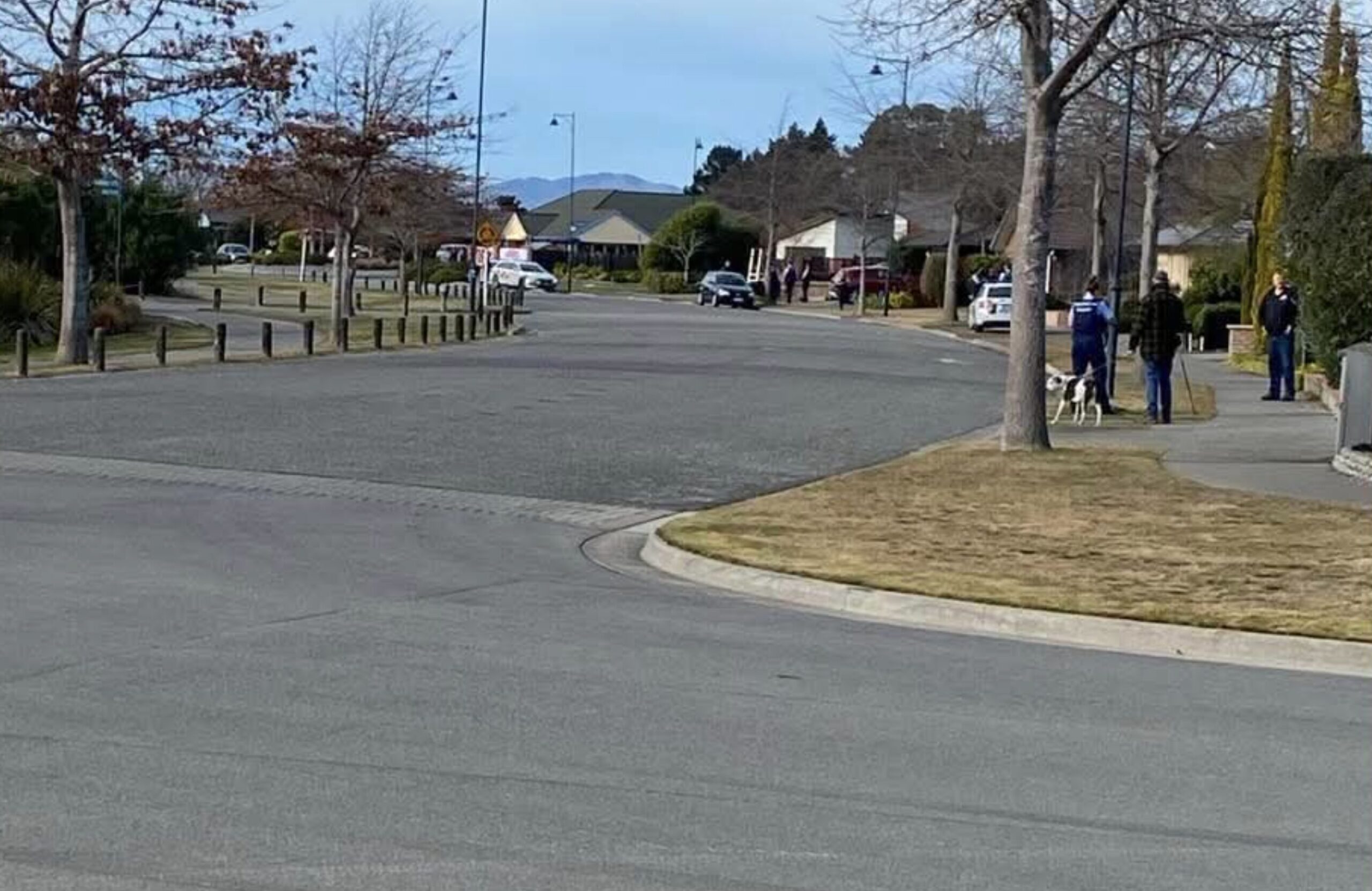
Escaped youth tracked by Eagle helicopter, found hiding in New Brighton
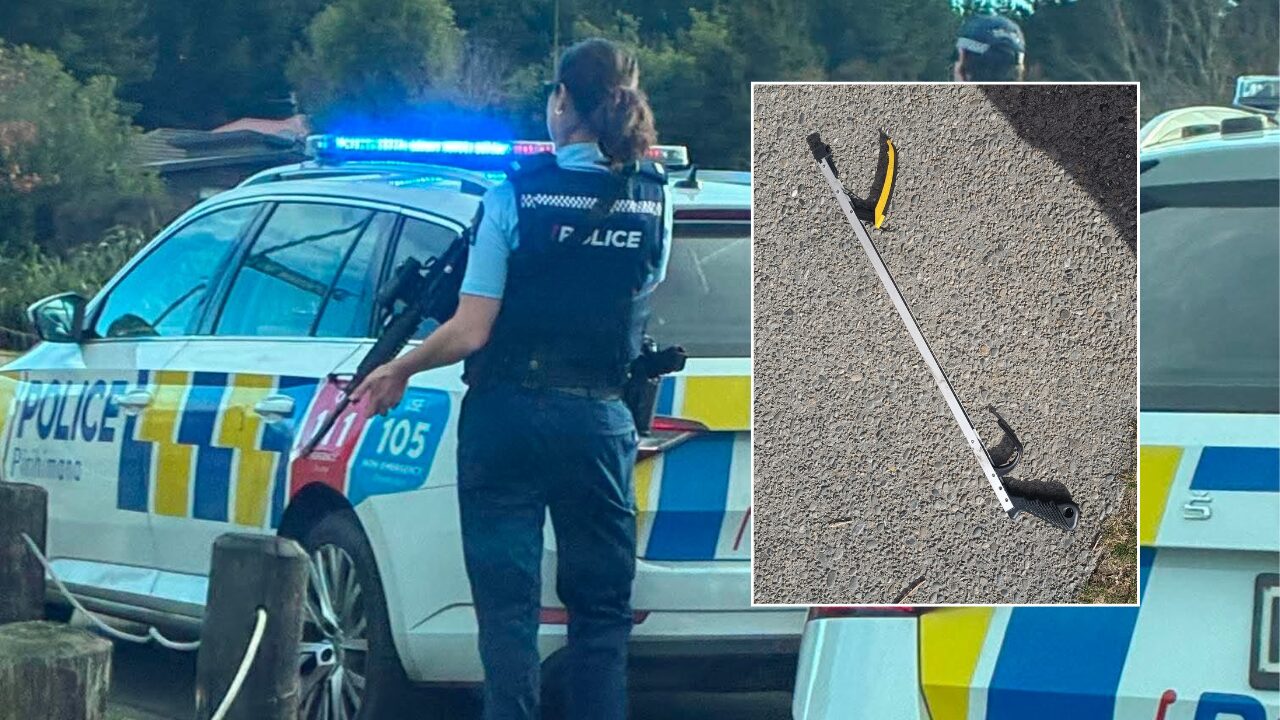
The young person who escaped from a youth justice facility in Rolleston has been located...


The young person who escaped from a youth justice facility in Rolleston has been located...

A person has been seriously injured on State Highway 75, Christchurch Akaroa Road. A police...

BodyFix Gym Christchurch in Phillipstown has taken out two major honours at the Exercise New...

Local MPs have found areas of agreement on major Resource Management Act reforms, during a...

A series of public events have been organised across Christchurch and Lyttelton over the coming...

A woman was taken to hospital after a ‘water incident’ at Parakiore Recreation and Sport...

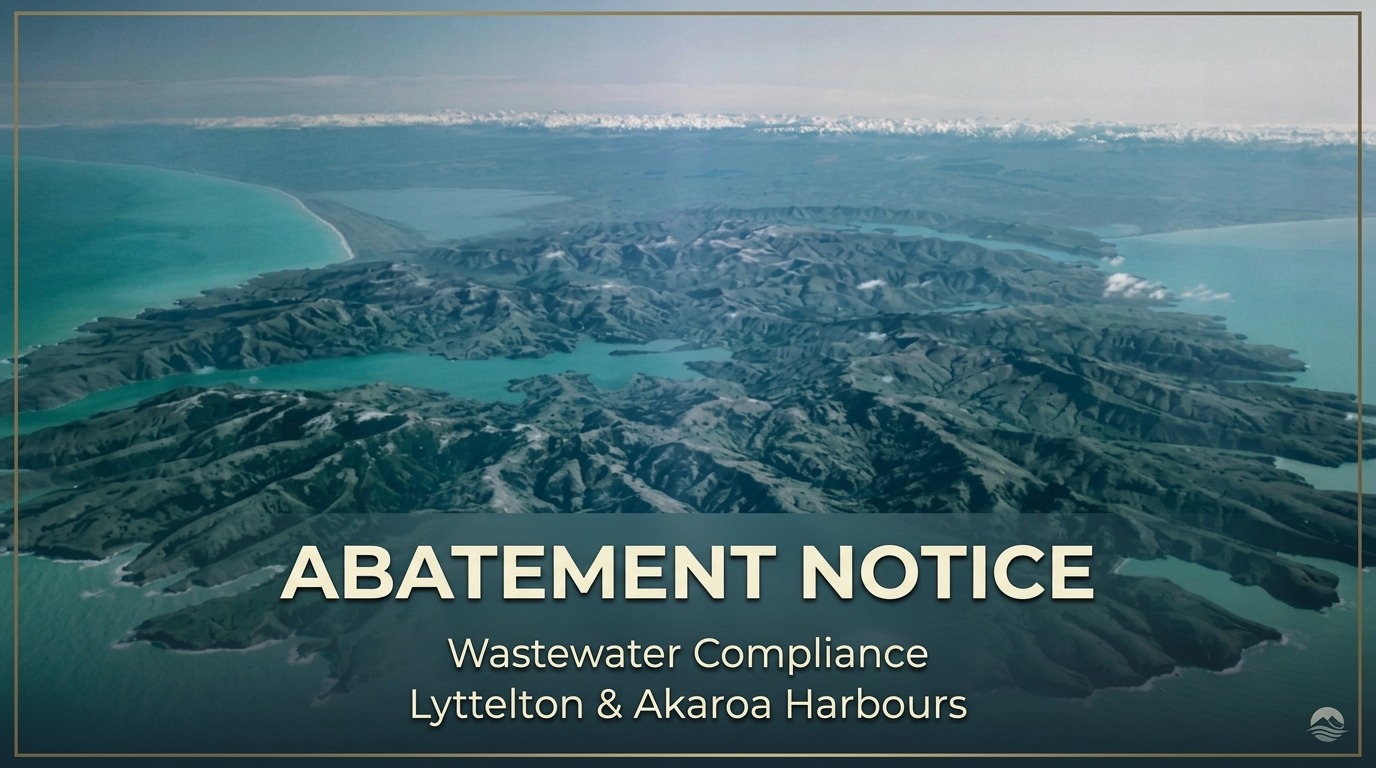
Environment Canterbury has issued an abatement notice to Christchurch City Council following repeated unconsented sewage discharges into Lyttelton Harbour and Akaroa Harbour.
Environment Canterbury chair Deon Swiggs said the discharges had affected waters that supported native ecosystems, provided kai moana, and should be safe for families.
“The recent discharge events have caused distress for mana whenua and our wider community and it’s important to understand the facts,” Swiggs said.
The abatement notice requires Christchurch City Council to provide a comprehensive management plan by 1 June 2026 outlining how it will meet compliance standards and prevent further breaches.
The plan must include a maintenance programme covering wastewater pipes, pumps and infrastructure feeding into treatment plants across Banks Peninsula, including Diamond Harbour, Governors Bay and Lyttelton.
It must also set out procedures to identify incorrect connections between wastewater and stormwater pipes, and outline how infrastructure vulnerable to damage from tree and plant roots will be regularly checked.
Details of planned capital works to upgrade wastewater infrastructure on Banks Peninsula must also be included.
Swiggs said the enforcement action was the first step in a broader inquiry into systemic prevention.
Environment Canterbury said staff would assess the council’s response against the Regional Coastal Environment Plan, the Resource Management Act 1991, and the Canterbury Land and Water Regional Plan before considering further compliance steps.
Director of Operations Brett Aldridge said the notice made it clear the regional council expected assurance wastewater infrastructure was being properly managed around Whakaraupō and Akaroa Harbours.
“It’s the Regional Council responsibility to ensure CCC who own and operate the infrastructure is operating its wastewater systems to the standard set out in its resource consents, including making improvements to the network to prevent further breaches in the future,” Aldridge said.