Escaped youth tracked by Eagle helicopter, found hiding in New Brighton
The young person who escaped from a youth justice facility in Rolleston has been located...


The young person who escaped from a youth justice facility in Rolleston has been located...

A person has been seriously injured on State Highway 75, Christchurch Akaroa Road. A police...

BodyFix Gym Christchurch in Phillipstown has taken out two major honours at the Exercise New...

Local MPs have found areas of agreement on major Resource Management Act reforms, during a...

A series of public events have been organised across Christchurch and Lyttelton over the coming...

A woman was taken to hospital after a ‘water incident’ at Parakiore Recreation and Sport...

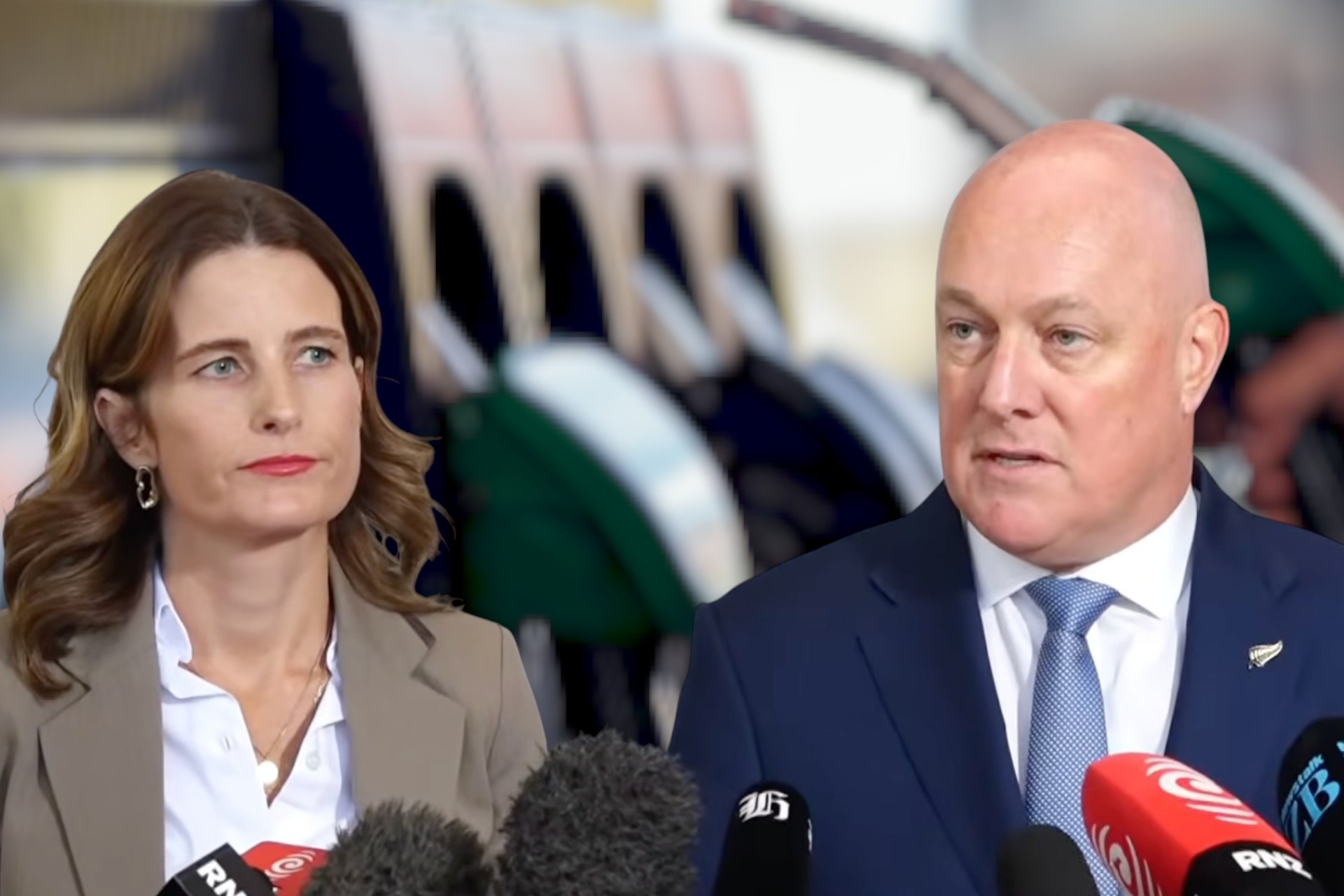
The Government has warned fuel prices could rise further and supply chains face ongoing disruption as tensions in the Middle East continue to impact global markets.
Prime Minister Christopher Luxon said New Zealand remained well supplied for now, but warned the outlook was uncertain.
“We’re already seeing higher petrol prices and it’s understandable that Kiwis will be concerned about the pressure on their household budgets.”
“I do want to be straight with New Zealanders, things could get worse before they actually get better.”
A ministerial oversight group led by Finance Minister Nicola Willis was established after the conflict began to monitor developments and coordinate the response.
“The ministerial oversight group is meeting regularly and it’s also working intensively to understand the potential impacts of the Middle East conflict in New Zealand, including on our supply chains, our fuel supplies and other critical goods and services.”
“Like all New Zealanders, we hope that the conflict is ending quickly, but hope is not a plan. We are preparing for the worst case scenario where the conflict is prolonged.”
Luxon said planning assumed disruption could continue even if conditions improved.
“We have sufficient fuel supplies, but even in the unlikely event that a ceasefire is announced tomorrow, the effects on global supply chains and fuel supplies won’t be immediately resolved.”
Officials have been tasked with preparing for at least 8 to 12 weeks of disruption.
Finance Minister Nicola Willis said current fuel reserves remained stable but risks were increasing.
“As of midnight on Sunday, we had 51.3 days of petrol cover, 47 days of diesel, and 49 days of jet fuel, either in the country or on the water.”
“Fuel stocks remain at sufficient levels for the next seven weeks. But as a responsible government, we need to plan for the possibility of future disruptions.”
New Zealand’s reliance on imported fuel was a key vulnerability, particularly from South Korea and Singapore.
“The challenges their refineries are facing in getting fuel stock mean that we can anticipate that in the future they may be producing less fuel for the global market.”
The Government was working with fuel companies to identify alternative supply options.
“We are also being very careful to think about petrol, diesel, and jet fuel as separate products because they serve very different parts of the economy.”
Planning also included scenarios where fuel use may need to be prioritised.
“The government is also working with the wider business sector. Why? Because business continuity is essential to jobs and incomes.”
Willis said targeted support for households was under consideration, but broad tax relief was not being pursued.
“A blanket measure such as reducing fuel excise would not target those in the most need.”
Luxon said the Government’s focus would remain on managing the impact.
“Kiwis are incredibly resilient, but the last few years have been very difficult for households and businesses across the country.”
“While we can’t control global events, but we can control our response to them.”