Escaped youth tracked by Eagle helicopter, found hiding in New Brighton
The young person who escaped from a youth justice facility in Rolleston has been located...


The young person who escaped from a youth justice facility in Rolleston has been located...

A person has been seriously injured on State Highway 75, Christchurch Akaroa Road. A police...

BodyFix Gym Christchurch in Phillipstown has taken out two major honours at the Exercise New...

Local MPs have found areas of agreement on major Resource Management Act reforms, during a...

A series of public events have been organised across Christchurch and Lyttelton over the coming...

A woman was taken to hospital after a ‘water incident’ at Parakiore Recreation and Sport...

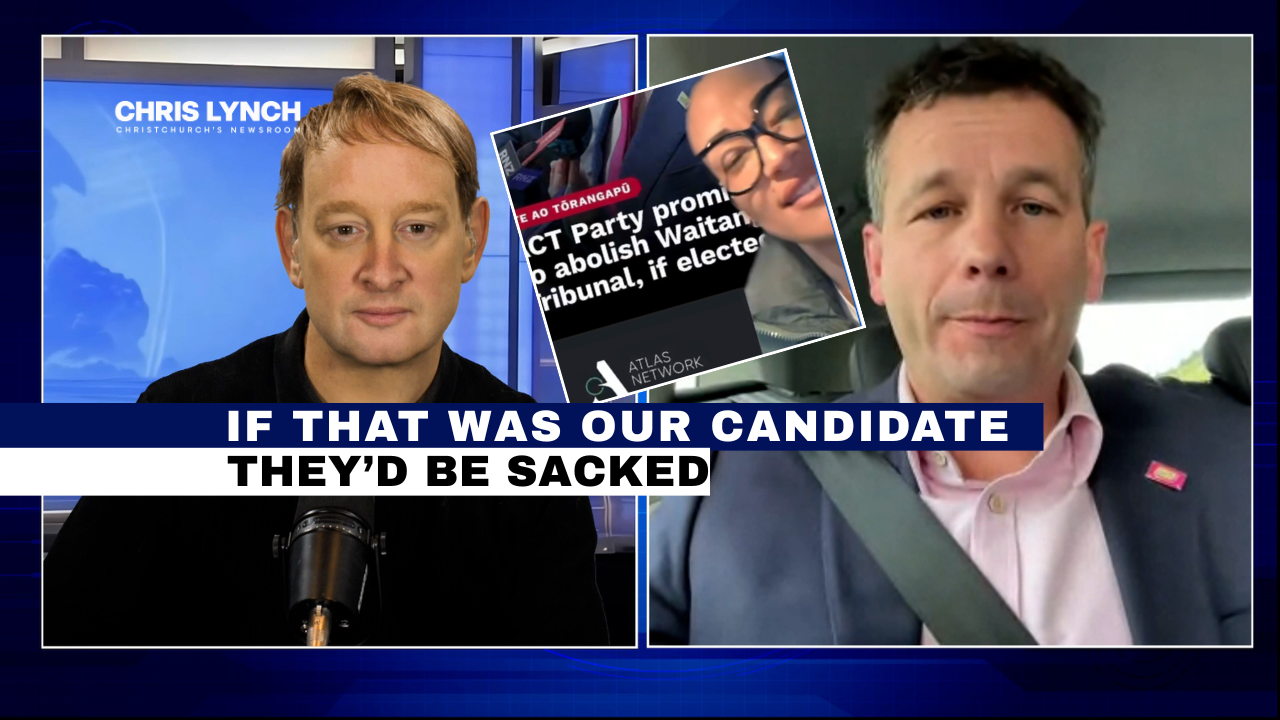
Deputy Prime Minister David Seymour has defended the Government’s response to rising fuel prices, warning against intervention and rejecting calls to cut GST, during an extended interview in Christchurch.
Speaking to chrislynchmedia.com while visiting the city, Seymour said global supply disruptions were behind rising prices, despite assurances from officials fuel supplies remained stable.
“Twenty percent of the oil in the world goes through the Straits of Hormuz and that’s just been cut off,” Seymour said.
“We’re going to get through it on that other 80 percent, but of course when you reduce the supply of something, everyone’s fighting over who gets it and the price goes up.”
He said while international partners including South Korea and Singapore were continuing supply arrangements, market pressures were unavoidable.
“There’s lots of good reasons to think that we’re going to get through this okay. However it is also true that when you restrict the supply, the price goes up.”
On panic buying, which has led to some fuel pumps running dry across Canterbury, Seymour said the Government should resist stepping in to control behaviour.
“It’s always easy for politicians to come in and want to be the person that’s making the big moves and taking the initiative,” he said.
“Once you get into this idea of making a rule restricting supply you just end up in endless rule making, endless bureaucracy.”
He said attempts to ration fuel would quickly become complicated and impractical.
“You say, what is the rule? Does it apply to the people who deliver the bread from Couplands bakeries down here in Christchurch? Are the diesel trucks allowed to get more? What about the people that deliver the flour?”
“You just end up in endless bureaucracy. At the moment the prices are working.”
Seymour said higher prices were already signalling to consumers to conserve fuel.
“Prices tell people there’s a need to conserve. If you really need it and you can fund it you should do it, but otherwise maybe you could ask how you could spend less or use less.”
He also rejected calls to cut GST on fuel, despite growing pressure on households.
“I understand why people would want us to because I’ve seen those prices go on the pump and you think surely you can do something,” he said.
“But when prices go up, people are having to spend less on other stuff. The government’s getting less GST on other purchases that people would have made if petrol prices weren’t so high.”
Seymour said cutting GST would not reduce overall government spending, but would instead defer the cost.
“All we’re really doing is saying that today’s spending will not be paid for by today’s tax. It’ll be paid for by tomorrow’s taxpayers.”
“Young people, some of them still at school, some of them not even born yet, will end up paying for tax cuts that we do today until we balance the books.”
Gore’s cultural reports
The ACT leader also addressed controversy over proposed cultural impact assessments in Gore’s district plan, which has sparked backlash from farmers and criticism from ACT MPs.
“That’s the difference,” Seymour said, referring to ACT MP Cameron Luxton’s background in construction.
“He knows what it’s like to have to deal with all this consenting crap from councils that stops him building things that are affordable for the next generation.”
Seymour said the current planning system was overly complex and divisive.
“Surely the right outcome is that New Zealanders, regardless of whether your ancestors got here 700 years ago or 7 minutes ago, if you’re a Kiwi then you actually have a right to make the most of your time on Earth in this land.”
“I don’t think it helps for some people to be ranked ahead of others based on the arrival time of their ancestors.”
He said ACT’s proposed reforms to replace the Resource Management Act would shift the focus back to property rights and measurable effects.
“You don’t have a need or a right to be consulted above and beyond whether your development affects somebody else’s enjoyment of their land.”
Hipkins’ private life
The interview also touched on the ongoing debate over Labour leader Chris Hipkins’ private life, with Seymour criticising his political record but declining to engage in personal commentary.
“My job is to point out to people that he’s a rubbish politician,” Seymour said.
“Now if he’s also rubbish in his private life that’s for other people to talk about. I’m not interested. I don’t know the truth of that.”
Seymour listed Hipkins’ time overseeing police, education and the COVID response as areas of concern.
“This guy was in charge of police and we had a crime wave. He’s in charge of education and kids stopped going to school. He was responsible for COVID. We blew 60 billion bucks.”
“There are so many reasons to be opposed to Chris Hipkins without having to know anything about his private life that I don’t think we really need to talk about it.”
He said the focus should remain on what he described as the country’s “real problems”.
“New Zealand’s in some trouble. Life’s hard to afford. We’re not getting the rising incomes we want.”
“There’s so many other problems. If anything I’m a little bit annoyed that a lot of the real problem solving New Zealand needs to do has now been distracted by Chris Hipkins’ private life.”