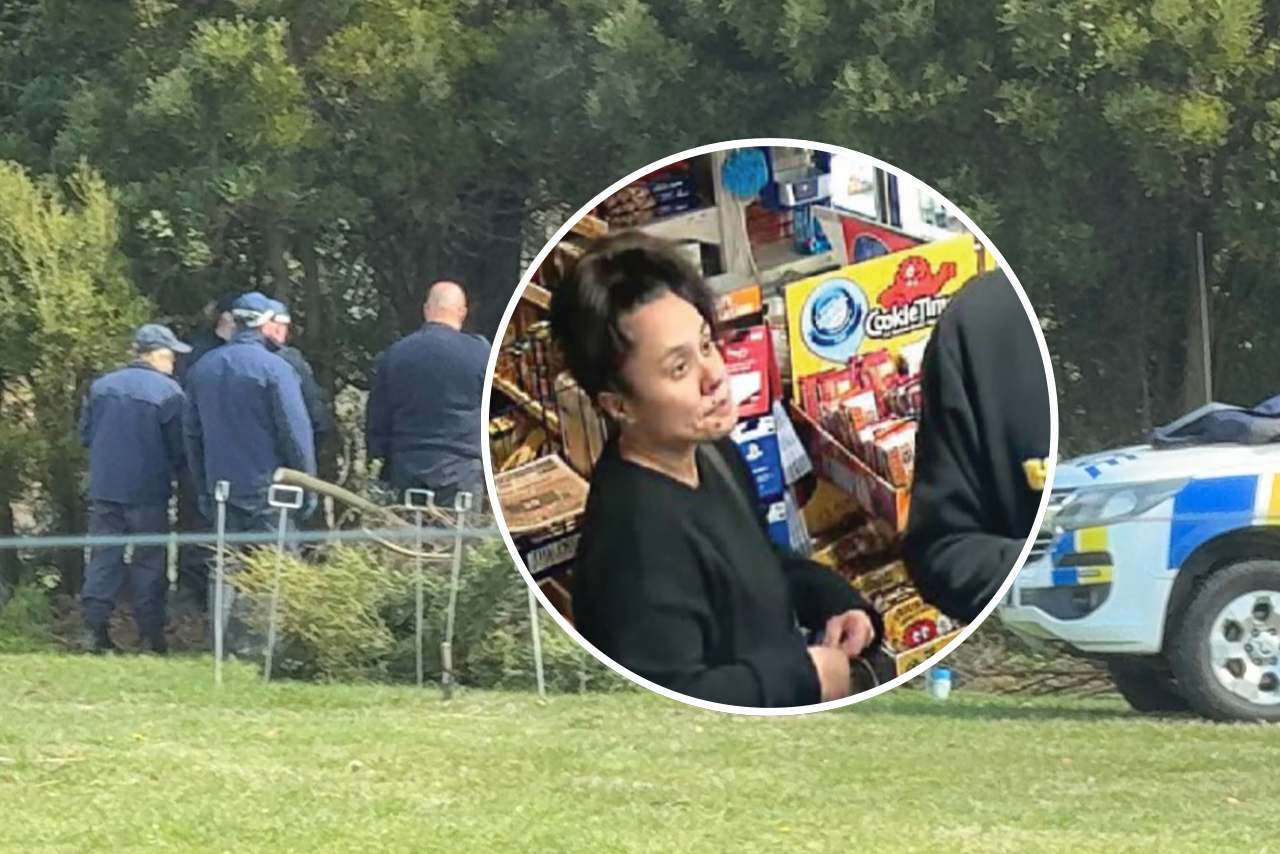
Escaped youth tracked by Eagle helicopter, found hiding in New Brighton
The young person who escaped from a youth justice facility in Rolleston has been located...


The young person who escaped from a youth justice facility in Rolleston has been located...

A person has been seriously injured on State Highway 75, Christchurch Akaroa Road. A police...

BodyFix Gym Christchurch in Phillipstown has taken out two major honours at the Exercise New...

Local MPs have found areas of agreement on major Resource Management Act reforms, during a...

A series of public events have been organised across Christchurch and Lyttelton over the coming...

A woman was taken to hospital after a ‘water incident’ at Parakiore Recreation and Sport...

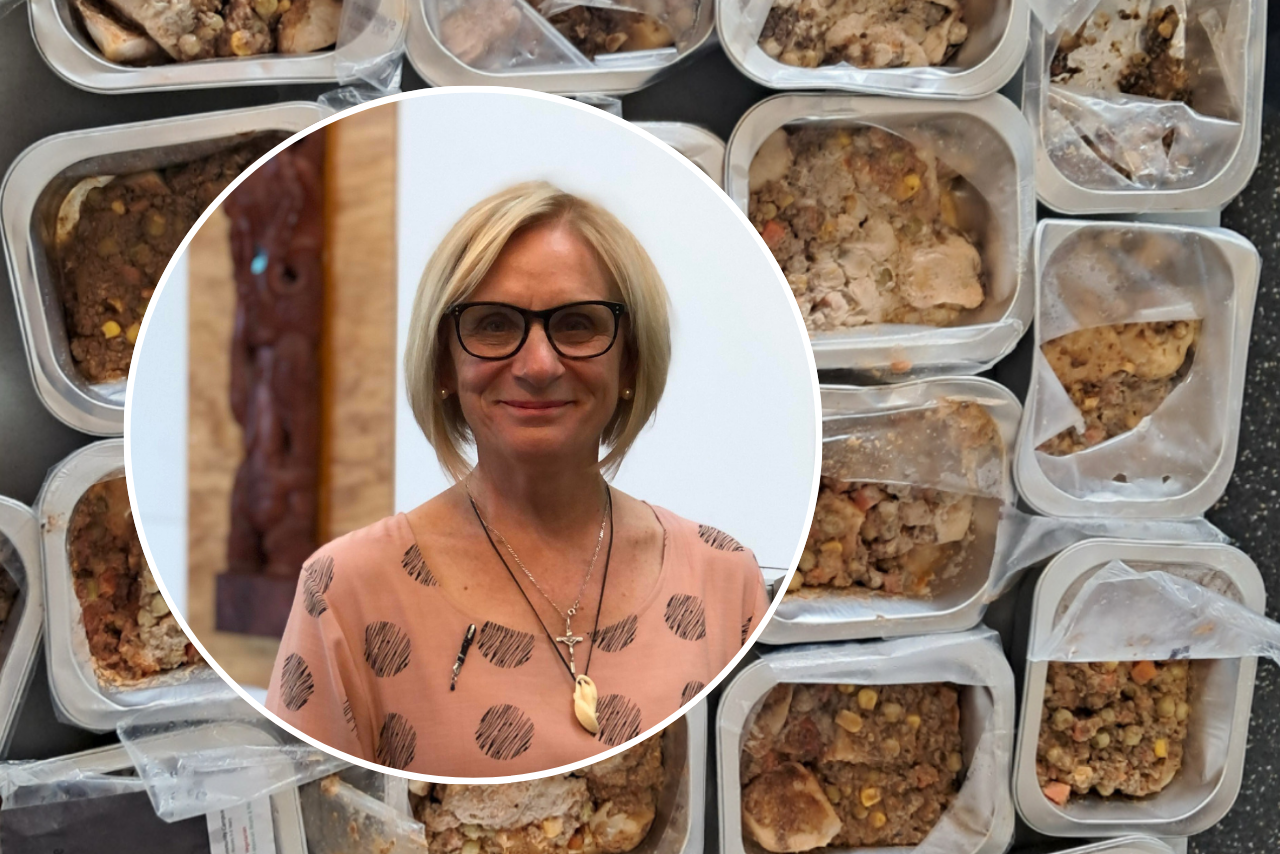
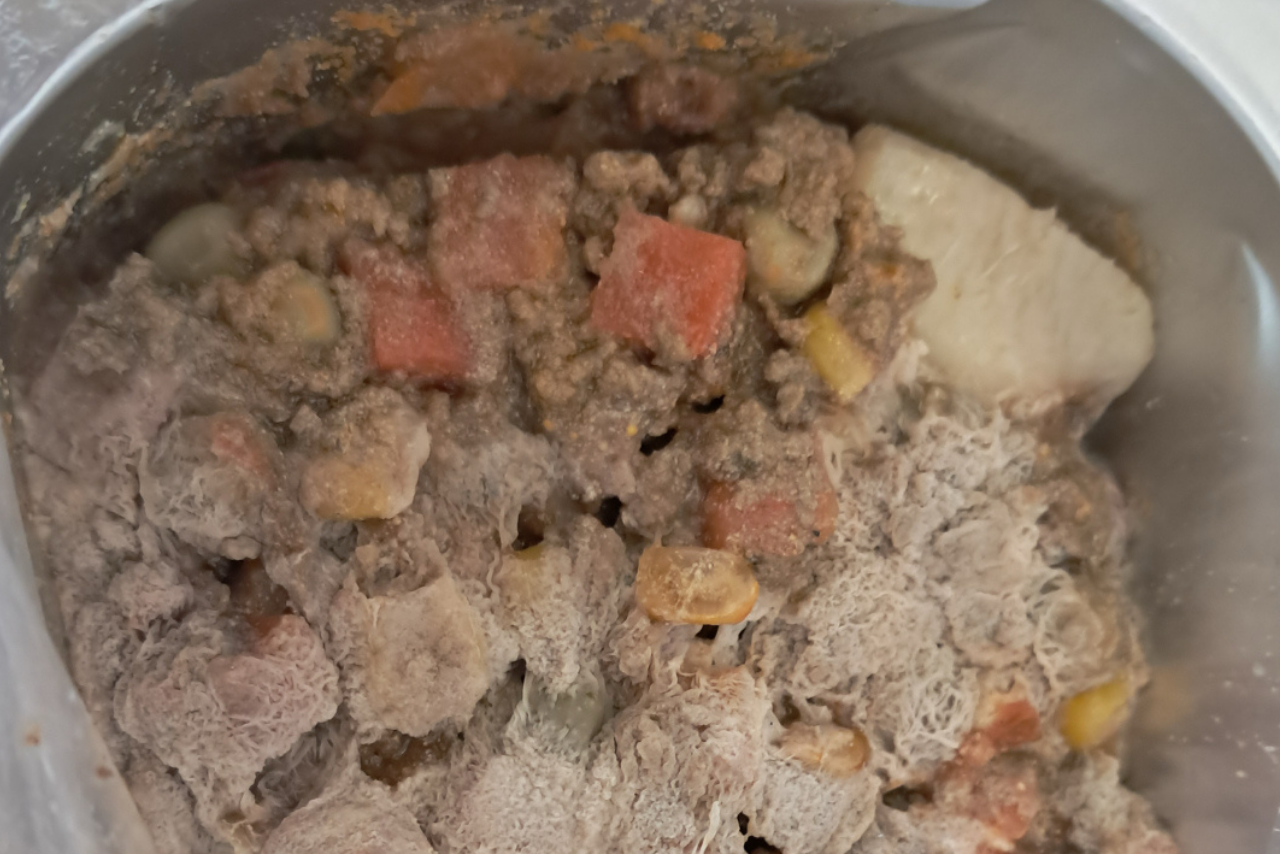
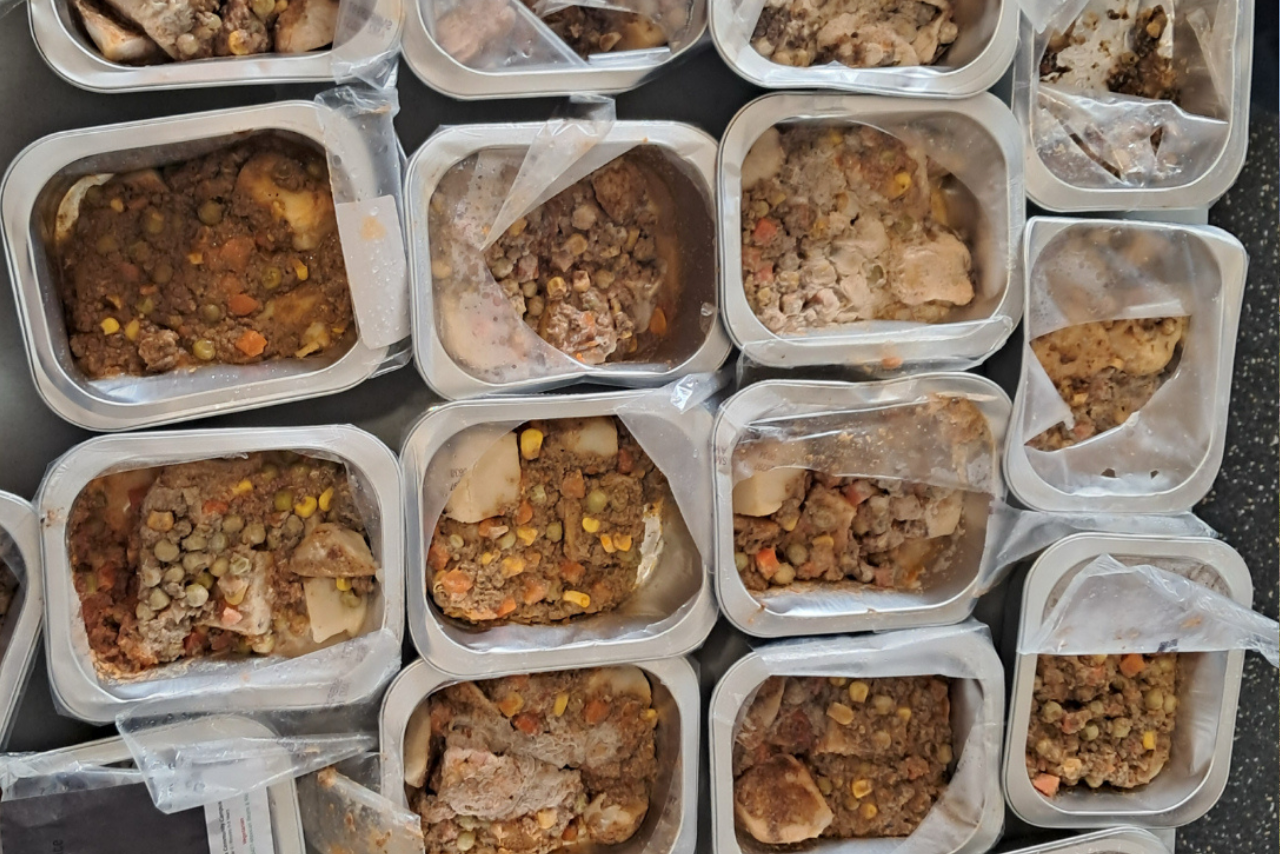
A New Zealand Food Safety full investigation into the mouldy lunch scandal at Haeata Community Campus has found the problem has come from meals left onsite rather than any wider failure in the School Lunch Collective.
School Principal Peggy Burrows rejected those claims last week, and launched her own school ‘internal inquiry.’
However, in a statement released on Wednesday, Deputy director general Vincent Arbuckle said officers carried out an extensive review after parents and students raised serious concerns.
“We know the issue caused a lot of concern among parents and students at the school so we considered it important to provide accurate and independent information about the likely cause.
“After carefully examining all the possible causes, we are able to reassure parents that there is not a wider, or ongoing, food safety risk with the School Lunch Collective.
“The most plausible explanation is that lunches intended to be served to students the previous week were accidentally mixed in with that day’s lunches.”
“Officers looked closely at whether the distributor had delivered meals from the previous week.
Sent to chrislynchmedia.com
“They concluded this was unlikely, pointing to three key reasons.
A number of other schools received the same meal on the same day with no reported issues.
The Compass Christchurch Kitchen also known as the Central Production Kitchen only receives the number of meals required for the following school day because of limited chiller capacity.
Haeata Community Campus did not receive meals on the Friday before the incident because it had a teachers only day.
That Friday the same delivery truck was used to deliver a different meal to other schools.
Investigators said it was therefore unlikely that Monday’s delivery to the campus included leftover meals from the previous week.
When examining other possible causes, officers discovered that the school routinely keeps extra Cambro containers onsite.
“These are used to deliver lunches to primary school students in their classrooms. Leftovers are taken to Cambro containers in the cafeteria so that older students and teachers can help themselves,” Mr Arbuckle said.
“It is most likely that meals intended for the previous week were inadvertently left in these cafeteria Cambro containers and made available to students.”
Sent to chrislynchmedia.com
Investigators said this conclusion was supported by two findings.
The school does not track the number or contents of Cambro containers onsite.
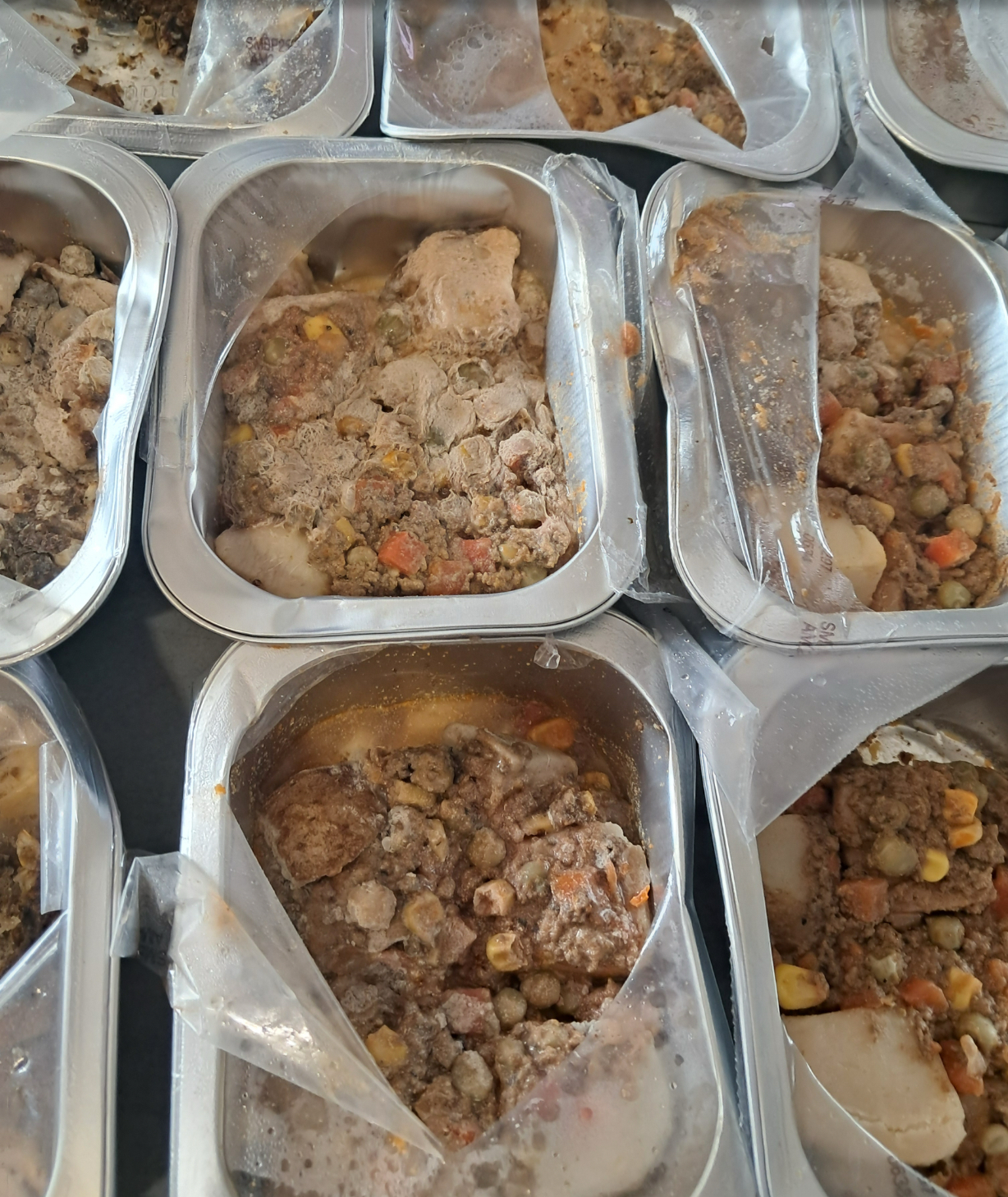
There were 20 mouldy meals discovered and all were found in a cafeteria Cambro container.
The agency said its investigation report outlines a series of recommendations aimed at reducing the risk of the issue happening again.
“These improvements to processes around traceability and reporting would reduce risk of this issue recurring. We will work with all parties on these recommendations,” Mr Arbuckle said.
Investigators confirmed the affected meals were Savoury Minced Beef and Potatoes delivered and consumed on Monday 1 December 2025.
The school received 343 standard meals and 28 special dietary meals that day. Around 20 mouldy meals were discovered.
The school routinely keeps extra Cambro containers onsite for distributing meals to primary classrooms.
After meals are delivered to younger children, containers are sometimes returned to the cafeteria later in the day and older students can help themselves from them.
These containers were the source of the mouldy meals, New Zealand Food Safety said.
The school uses a liaison function to sort meals each morning and distribute them to primary classrooms. The meals are eaten in the classrooms. Some teachers and students later return the containers to the cafeteria.
CCTV footage showed the school returned 9 Cambro containers on Thursday 27 November 2025 even though it received 8 containers that morning. Investigators said this mismatch supported the possibility that an older container remained in circulation.
Supplied Chris Lynch Media
Compass Christchurch CPK confirmed it only receives frozen meals required for the following school day due to limited chiller space.
Meals for Monday 1 December arrived on Friday 28 November and were placed in the chiller to defrost before being heated early on Monday.
The same menu item was served on Tuesday 25 November to South Island schools and on Thursday 27 November to schools nationwide without reports of any problems.
Compass carries out daily visual checks of delivery vans and logs delivery details. Drivers follow set routes, delivering meals in the morning and collecting Cambro containers around 2pm.
On Friday 28 November Haeata Community Campus had a teacher only day so no meals were delivered.
Other schools remained open and received Butter Chicken and Vegetables on Rice nationwide.
New Zealand Food Safety said it found no evidence of a breach of the Food Act 2014 at the Christchurch Compass Group site.
Based on the available evidence, the organisation said it was more than likely that a Cambro container or leftover meals were misplaced and left unrefrigerated somewhere within the school over the weekend due to the number of people handling them and the number of places containers could be left.
Supplied Chris Lynch Media
No other schools reported issues with the same meal and the National Public Health Service received no illness reports from students.
It is unlikely that a Cambro container was missed in the delivery van because of the visual checks in place and because the van was used to service other schools on Friday 27 November.
Investigators considered a range of scenarios including a Cambro container being misplaced in the school on Thursday 27 November and placed on the counter for Monday use, a container being misplaced on Tuesday 25 November, a container being accidentally left in the delivery van on Thursday 27 November and re delivered on Monday morning, or leftover individual meals at the school being misplaced and reintroduced on Monday 1 December.
Recommendations
The investigation report makes several recommendations directed at the Ministry of Education, schools and Compass Group.
MoE is advised to remind schools of correct escalation processes so that any food safety risks can be managed effectively and promptly.
MoE should also strengthen communication with schools on correct handling of Cambro containers.
Compass Group and MoE are encouraged to consider full traceability of Cambro containers and leftover meals. MoE and schools are urged to clarify their responsibilities in managing school meals throughout the supply chain and to identify areas for improvement.
Compass Group is advised to review its processes and provide additional staff support immediately when food safety events occur.
MoE is asked to consider the management of leftover meals and ensure they are accounted for and handled in a way that avoids food safety risks.
Investigators also recommended that batch traceability for daily meals be strengthened so records can more clearly track meals across multiple delivery days.
MoE is also asked to clarify responsibility for CCTV footage at schools and how footage should be used to support food safety management.
Peggy Burrows told chrislynchmedia.com “our internal investigation goes to the Board and the schools lawyers on Friday.
“The board won’t make comment until they’ve had time to consider that report and take advice from the lawyer”