Escaped youth tracked by Eagle helicopter, found hiding in New Brighton
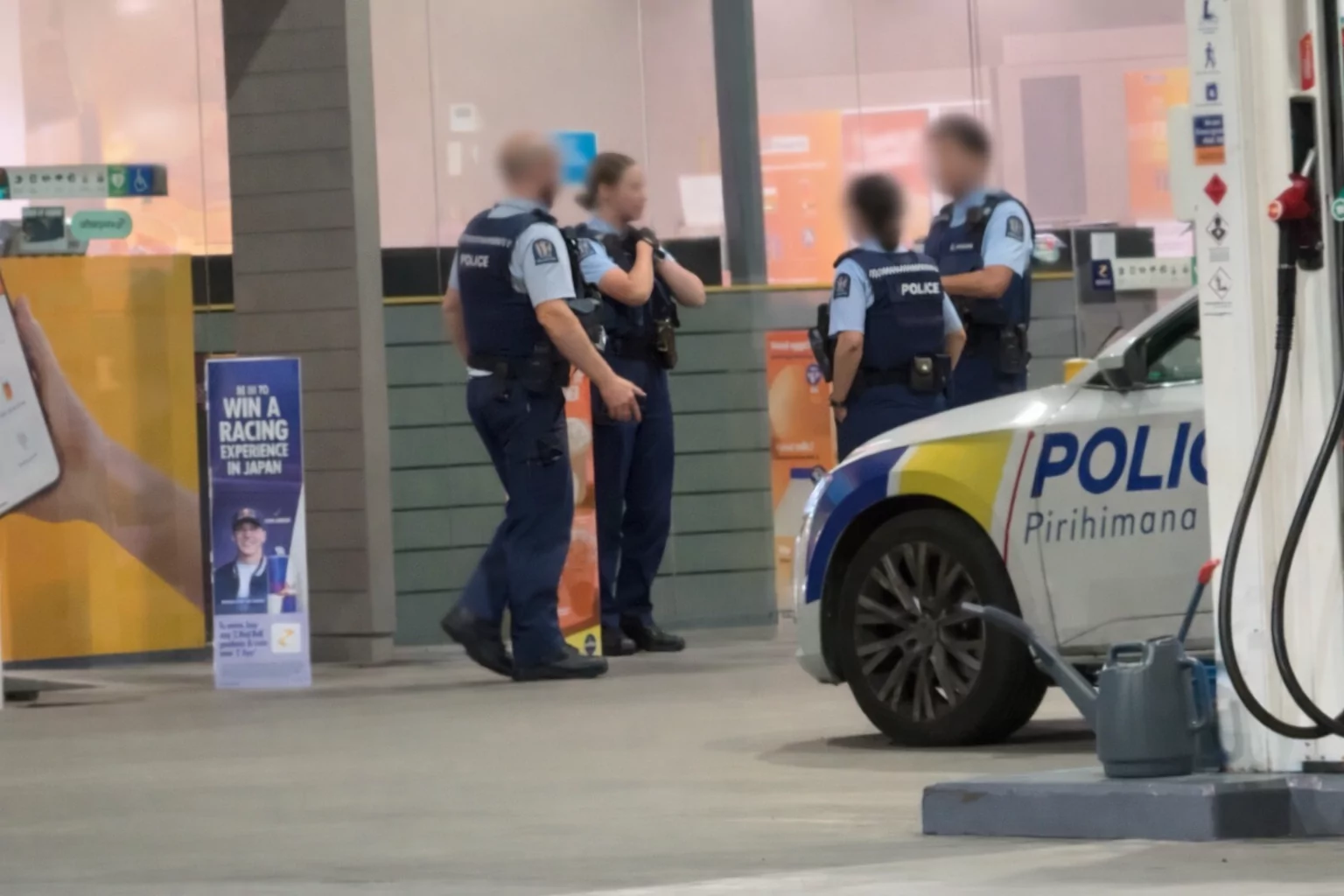
The young person who escaped from a youth justice facility in Rolleston has been located...

The young person who escaped from a youth justice facility in Rolleston has been located...
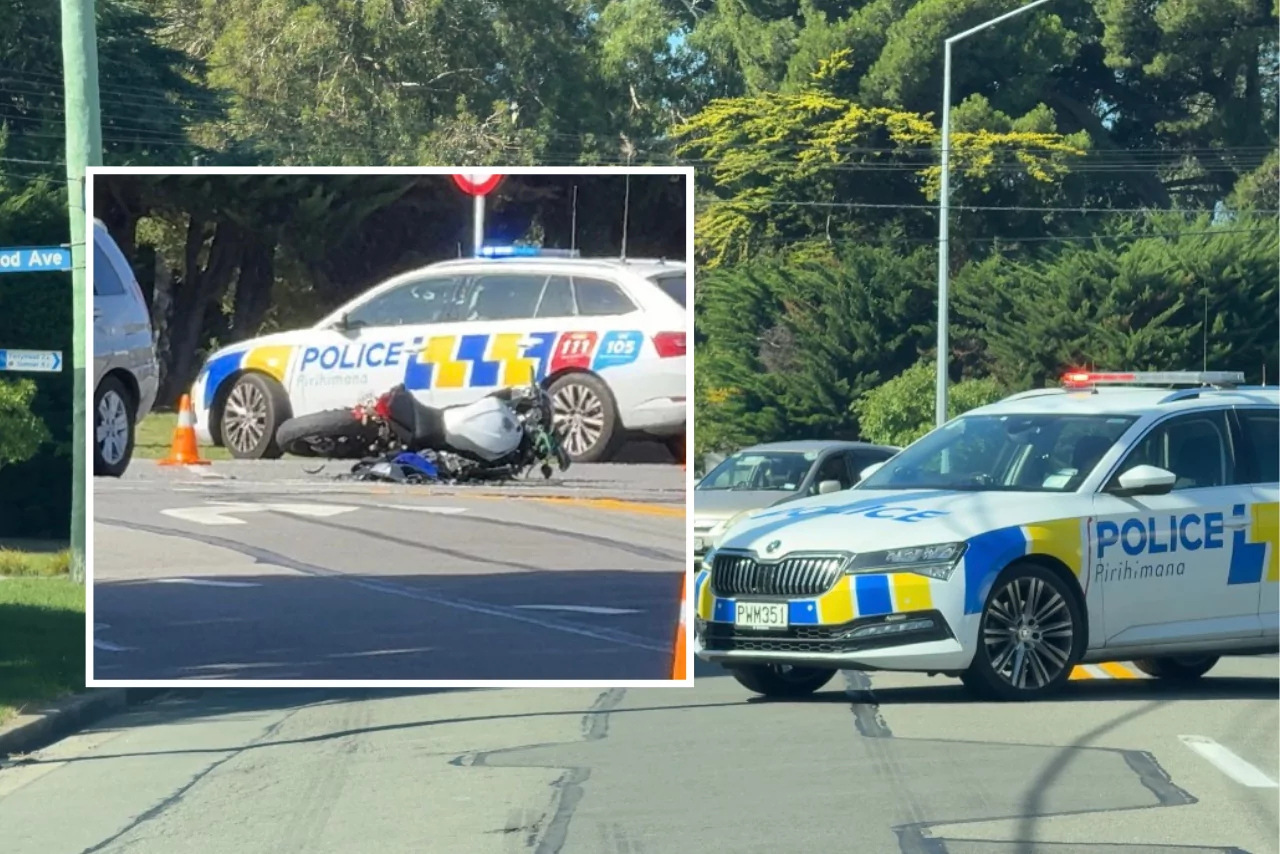
A person has been seriously injured on State Highway 75, Christchurch Akaroa Road. A police...

BodyFix Gym Christchurch in Phillipstown has taken out two major honours at the Exercise New...
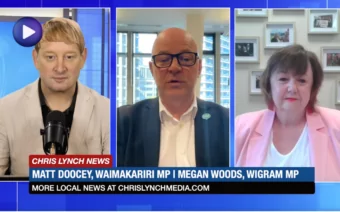
Local MPs have found areas of agreement on major Resource Management Act reforms, during a...
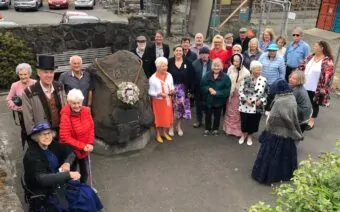
A series of public events have been organised across Christchurch and Lyttelton over the coming...
A woman was taken to hospital after a ‘water incident’ at Parakiore Recreation and Sport...

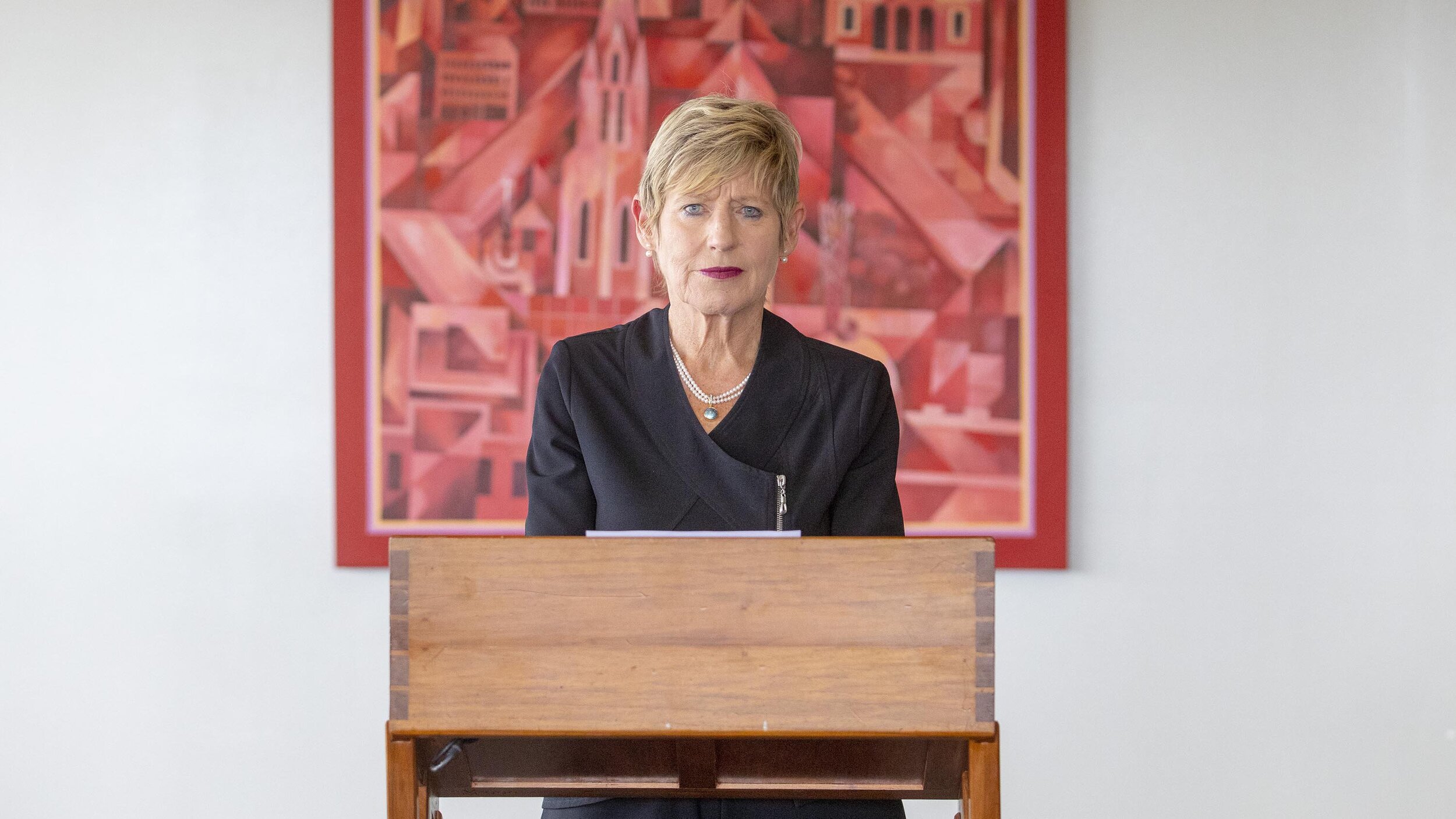
Christchurch Mayor Lianne Dalziel voted in favour of a 3.5 percent rates increase.
Some Christchurch City Councilors and Mayor Lianne Dalziel have approved to go to the public and consult on an overall average rate increase of 3.5 percent, but not without strong opposition.
In a written statement, Dalziel says “the first 2020–21 budget approved in February proposed a 4.65 percent average rates increase. Today’s meeting acknowledges that the situation had changed dramatically.”
Her comments comes a day after The Reserve Bank released its latest Financial Stability report saying “some households and firms will face a significant loss of income. The report says household incomes will come under pressure as staff cutbacks and firm failures lead to rising unemployment.
Watch the full council meeting
But Mayor Lianne Dalziel says there was a sense that this (3.5 percent rates increase) struck the right balance between keeping the rate increases low enough to protect our residents’ finances from too much impact at what is a really difficult time for a lot of people, to giving our city enough resources for the essential work that the council is required to deliver, keeping up our ongoing recovery and continuing to invest in our future.”
“We’re expecting a $33.3 million deficit to the end of this financial year as a result of lost revenue and dividends. The expected impact from COVID-19 is a $50.5 million deficit for 2020–21. If that was simply absorbed into rates, it would have represented a 20–23 per cent rates increase over 2020–21 which would have been untenable.”
Councillor Sara Templeton says additional cuts would make significant changes to levels of service but would also trigger a special consultative procedure and delay the annual plan for months.
Earlier this month councillor Mike Davidson claimed a zero rates increase could delay the opening of the New Brighton Hot pools – but the complex opens tomorrow.
As reported in the Christchurch Star tonight, Councillor Sam Macdonald took a swipe at Mayor Lianne Dalziel saying the plan did not have a “laser focus” on achieving a zero percent rates increase but on “more borrowing and spending.”
Last month, Ms Dalziel said “we are determined to get to zero rate increase.” Ms Dalziel said “the organisation had been working behind the scenes in order to achieve this.”
“It’s going to be hard yards, and every single councillor is going to have to work very hard to work on how we get there.”
According to a council statement, the Draft Annual Plan 2020–21 proposes capping capital spending at $400 million, reducing the Council’s running costs by $23 million, and increasing borrowing by $102 million (includes $80 million for 2020–21 and $22 million for 2021–22). A total of $118 million is set aside for 2020–21 for the Metro Sports Facility and Canterbury Multi-Use Arena.
Other changes include allowing the use of weed killers containing glyphosate in places where there is no direct contact with people (saving of $3.5 million) , reducing grants to ChristchurchNZ and Heritage (saving of $3.3 million), reducing salary and wages by not filling vacancies (saving of $3.3 million), reducing external consulting budgets (saving of $3.3 million), reducing maintenance to essential work only (saving of $2.6 million), stopping funding to Regenerate Christchurch (saving of $1 million).
The Council will also collect additional revenue from charging for excess water use by the top 20 per cent of residential customers ($2 million). A total of 20 percent of residential households use more than 50 per cent of the water supplied to residents.
Six councillors held firm on their stance to deliver a zero percent rates increase.
Councillors James Gough, Sam MacDonald, Catherine Chu, Phil Mauger, Aaron Keown and James Daniels opposed the Council’s draft budget on the basis that it did not adequately address the systematic issues within Council nor did it go far enough to help alleviate the increasing rate burden facing residents.
Sam MacDonald along with five other councillors voted against the rates increase.
James Gough says “we have been out-voted on a borrowed budget; instead we have a plan which proposes close to $100 million of additional capital projects that council management themselves identified as not a top priority for this coming fiscal year.”
Sam MacDonald says “as a Council we had a ‘once in a lifetime’ opportunity to use the levers at our disposal to make a real difference. We had hoped that with changes in the capital programme and further operating cost savings we could have had a budget that delivered for Christchurch.”
As a first term councillor, Phil Mauger says he enjoyed digging deep into the budget but was left disappointed when the required support to achieve a 12 month rate freeze did not materialise.
“There were so many opportunities to drive efficiencies and good outcomes for ratepayers. I had hoped there would have been a desire to go further.”
This view was echoed by experienced councillor Aaron Keown, “Throughout this process I put forward multiple pages of potential cost savings, but it was disappointingly clear that there was no appetite to get to zero.”
In March this year the six councillors called for a 12 month freeze on rate increases to minimise the burden on ratepayers during this challenging economic climate from Covid-19.
Catherine Chu says “the most effective way to help our residents right now would be to not charge them more. “A zero rates increase was always possible. Do what you need, not what you want. Sadly the majority of councillors wanted far more than what was needed.”
The council will consult on a minimum rate increase of 3.5 per cent predominantly via additional debt, minimal dividends, and some operational savings.