Escaped youth tracked by Eagle helicopter, found hiding in New Brighton
The young person who escaped from a youth justice facility in Rolleston has been located...


The young person who escaped from a youth justice facility in Rolleston has been located...

A person has been seriously injured on State Highway 75, Christchurch Akaroa Road. A police...

BodyFix Gym Christchurch in Phillipstown has taken out two major honours at the Exercise New...

Local MPs have found areas of agreement on major Resource Management Act reforms, during a...

A series of public events have been organised across Christchurch and Lyttelton over the coming...

A woman was taken to hospital after a ‘water incident’ at Parakiore Recreation and Sport...

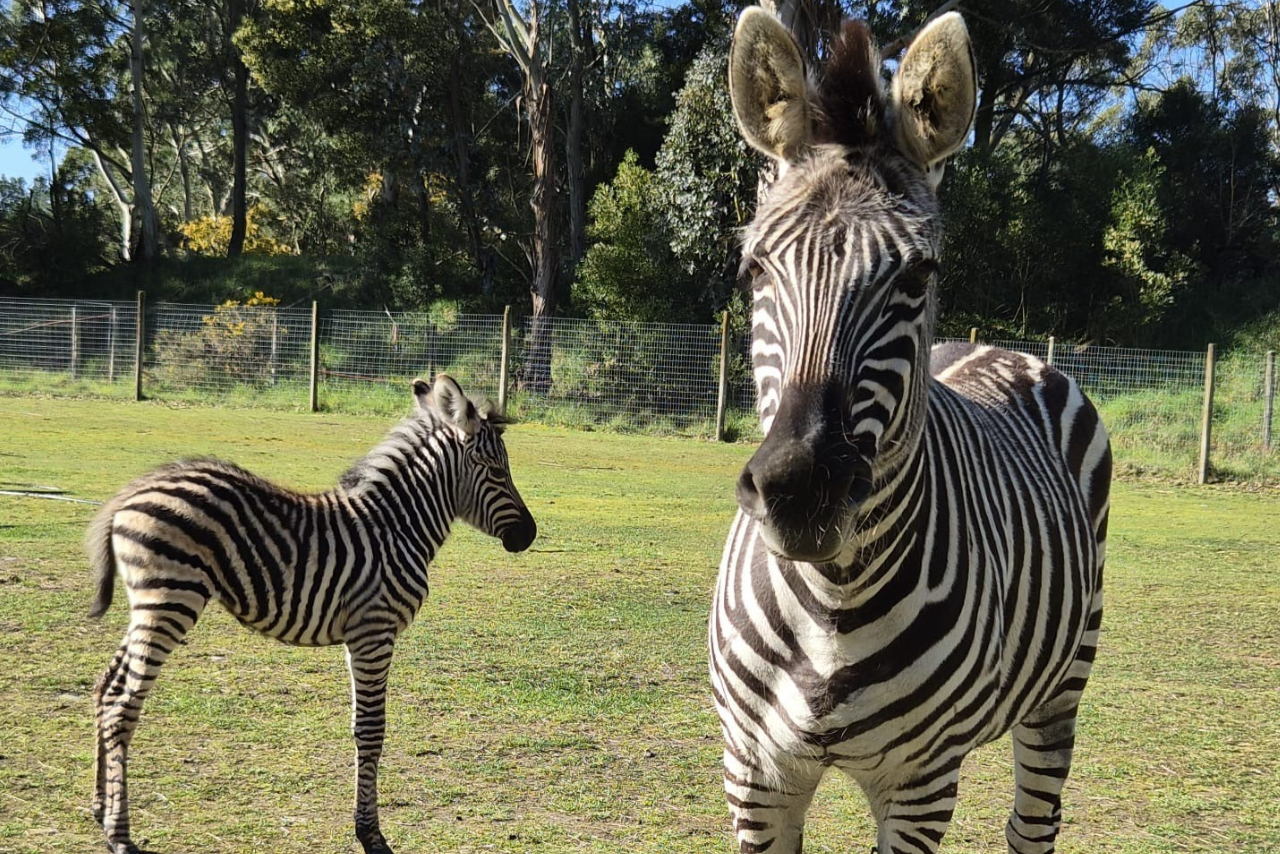
Orana Wildlife Park has warned its future remains under threat despite Christchurch City Council approving a $1.2 million emergency grant, with just over $2 million still needed for the financial year ending June 2027.
Orana Wildlife Trust co-chair Emeritus Professor Dr Ken Hughey said the council’s contribution had not resolved the park’s financial difficulties.
“We are very grateful to Christchurch City Council for backing Orana. But there is a perception that because Council has approved this grant, we are now OK. We are not,” he said.
“We still need just over $2 million to meet the immediate funding gap while our recovery plan takes effect. Without that support, the Board will have to make some very hard decisions about Orana’s future.”
The remaining shortfall comes despite savings and a recovery plan aimed at increasing visitor income and securing a broader base of ongoing financial support.
An independent assessment by BDO auditors found commercial growth alone could not close the funding gap.
Hughey said the situation was particularly difficult as Orana marked its 50th year.
“It is devastating to be in this position in our 50th year. When Orana opened in 1976, people queued for seven kilometres down McLeans Island Road to get into the Park. That tells you how much this place has meant to Canterbury from the very beginning,” he said.
“Half a century on, we are asking people to get behind Orana again.”
The park remains open, with conservation programmes continuing, new animal encounters available and birthday party packages due to launch.
Orana has strengthened governance and financial oversight, increased animal-care staffing and veterinary support, and appointed a dedicated fundraising and partnerships manager.
Chief executive Rachel Haydon said regular donations, grant applications and a new bequest programme were helping build a stronger funding base, but immediate costs remained a challenge.
“These are encouraging steps towards a stronger funding base. But pledged bequests and applications awaiting decisions cannot meet the bills we have to pay right now, especially given that some funders prefer capital projects not operational funding.”
Haydon said the park’s conservation work was continuing, including a promising start to the breeding season for kākāriki karaka.
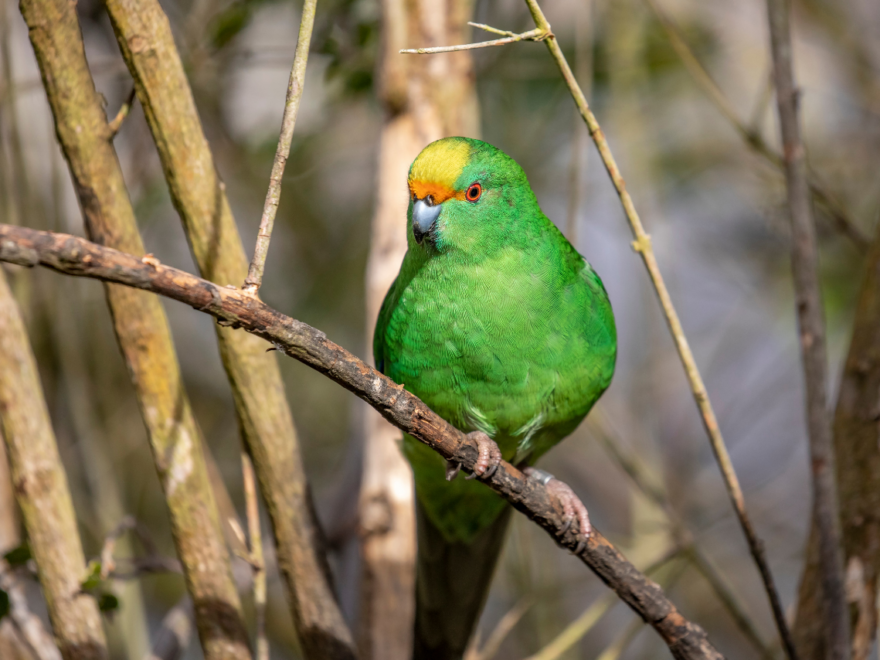
There’s been a promising start to the breeding season for kākāriki karaka / Supplied
All five breeding females had either laid eggs or shown interest in nesting.
Orana is one of only two facilities breeding the rare birds for release into the wild and has bred more than 150 for release across five locations.
“That work depends on our highly skilled people caring for these birds every day, often away from public view. It is a central part of our mahi and a very practical contribution to the survival of a threatened species,” Haydon said.
Release sites have included Anchor Island in Fiordland, Blumine Island in the Marlborough Sounds and the Brook Waimārama Sanctuary near Nelson.
The park said environmental DNA testing this year had confirmed Canterbury mudfish, introduced to its waterways in partnership with the Department of Conservation in 2019, were thriving. Monitoring of Canterbury spotted skinks on the grounds was also showing promising signs.
Haydon said new meerkat, lemur, mini moo and giraffe encounters were proving popular. Visitors could also see a zebra foal born on 30 September, one-year-old kea Tāwhai and six-month-old siamang gibbon Senja.
“Every visit helps fund the care of our animals and our conservation work,” she said.
Hughey said the board and team had met representatives of Waimakariri and Selwyn district councils and were continuing discussions with potential donors, businesses and MPs.
“Christchurch City Council has made an important commitment. We now need others with the ability to help to join that effort.”