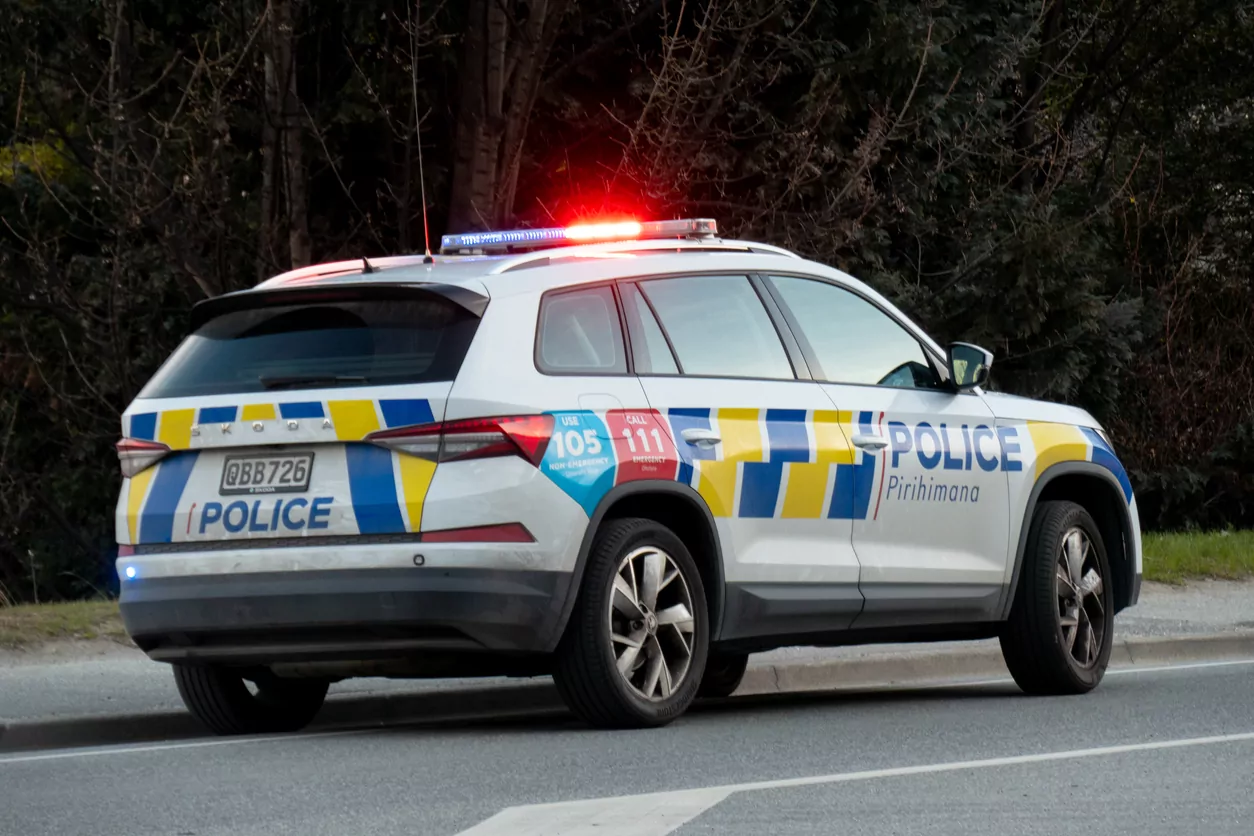
Escaped youth tracked by Eagle helicopter, found hiding in New Brighton
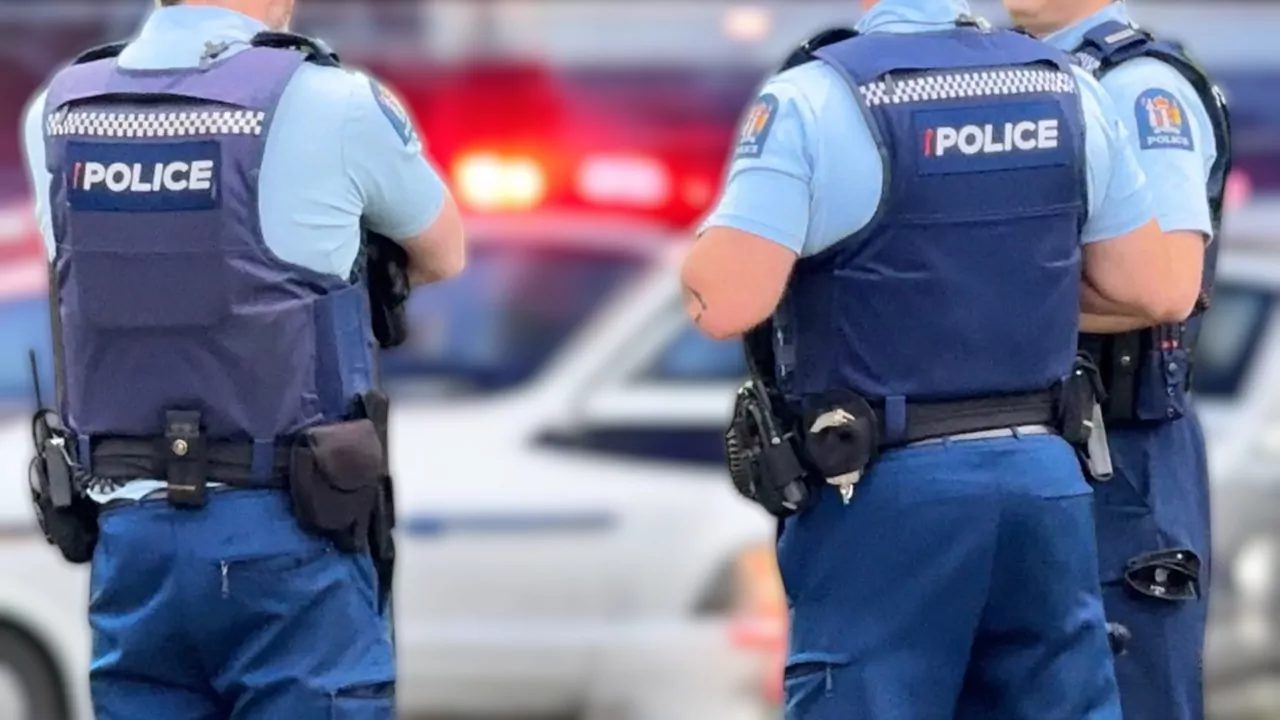
The young person who escaped from a youth justice facility in Rolleston has been located...

The young person who escaped from a youth justice facility in Rolleston has been located...

A person has been seriously injured on State Highway 75, Christchurch Akaroa Road. A police...

BodyFix Gym Christchurch in Phillipstown has taken out two major honours at the Exercise New...
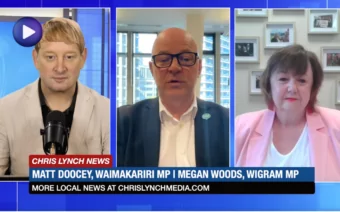
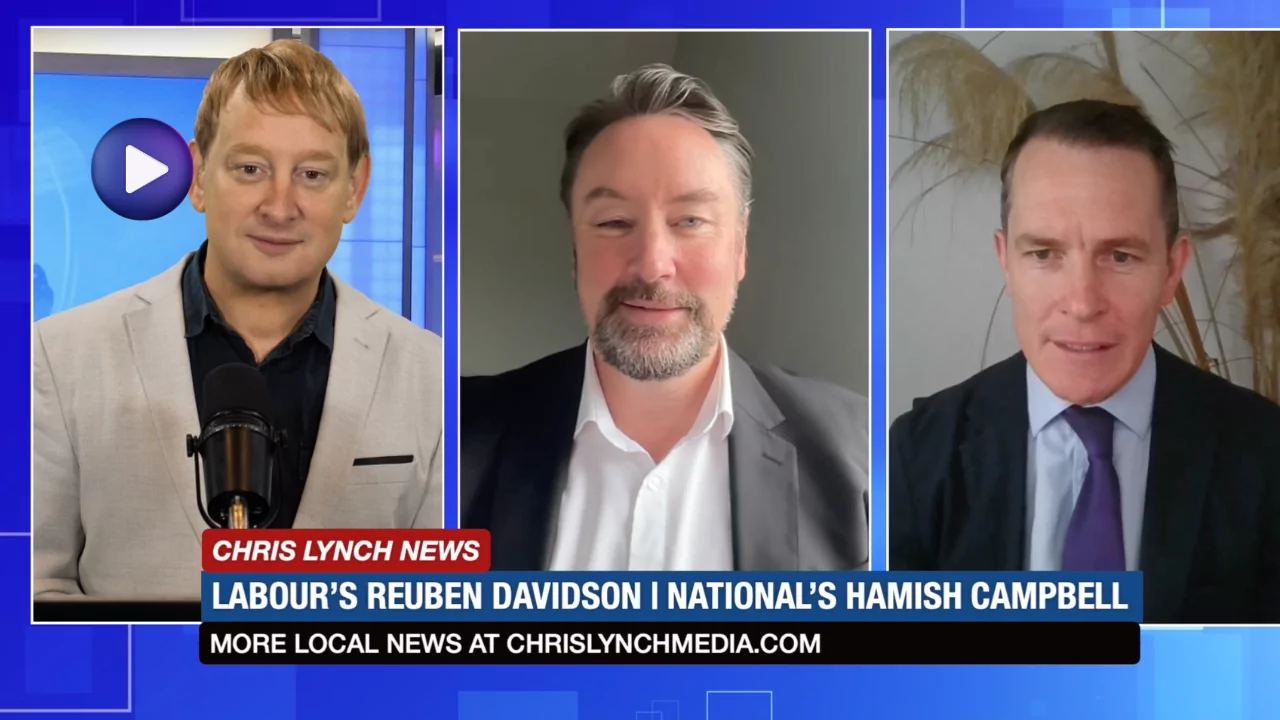
Local MPs have found areas of agreement on major Resource Management Act reforms, during a...

A series of public events have been organised across Christchurch and Lyttelton over the coming...

A woman was taken to hospital after a ‘water incident’ at Parakiore Recreation and Sport...
The Christchurch City Council can’t provide a time frame to get rid of chlorine from Christchurch’s water supply.
In January 2018, the council agreed to temporarily treat the city’s water supply “to provide an extra level of protection against waterborne illnesses.”
The agreement was approved for 12 months while work was done to ensure all the city’s below ground well heads were sealed at the surface to protect them from contamination.
Four months later the council was forced to reduce chlorine in the system, after receiving a backlash from residents who overwhelmed Newstalk ZB Christchurch’s morning show talk lines with complaints of skin irritations and bad tastes.
In October 2019, the council said it was “fast tracking” additional upgrades to the city’s drinking water supply network, while it worked with health officials to finalise a water safety plan.
Council Head of Three Waters and Waste Manager Helen Beaumont said the organisation is continuing to temporarily chlorinate approximately 80% of the city’s water supply.
She said while the council has largely completed the work on the well head improvement programme, it has identified other unacceptable risks through its revision of the water safety plan for the city supply.
Beaumont said the council has 118 well heads signed off by an expert as being secure from contamination and UV installed at Main Pumps.
She said the council is continuing on work to address the “unacceptable risks in our water safety plan.“
“These are inadequate back flow prevention on water supply connections to commercial properties and poor condition reservoirs and suction tanks.”
“We need to continue temporary chlorination in water supply zones with these risks until we have reduced these risks to an acceptable level.”
Beaumont said the “work updating the water safety plan is well underway and we will resubmit our water safety plan for review before Christmas.”
If the Council agrees to sign the MoU with the Government on Tuesday, many of the projects suggested by staff for the funding will support water safety improvements.
These include replacing poor condition water supply mains, replacing poor condition wastewater mains near water supply wells and comprehensive condition assessments of council’s highest risk reservoirs and suction tanks.
Also on the list is a smart water monitoring system which will allow the council to identify and reduce leaks and damaging pressure fluctuations in the water supply network, and provide early warning of possible contamination in the water supply by detecting changes in water quality.