Escaped youth tracked by Eagle helicopter, found hiding in New Brighton
The young person who escaped from a youth justice facility in Rolleston has been located...


The young person who escaped from a youth justice facility in Rolleston has been located...

A person has been seriously injured on State Highway 75, Christchurch Akaroa Road. A police...

BodyFix Gym Christchurch in Phillipstown has taken out two major honours at the Exercise New...

Local MPs have found areas of agreement on major Resource Management Act reforms, during a...

A series of public events have been organised across Christchurch and Lyttelton over the coming...

A woman was taken to hospital after a ‘water incident’ at Parakiore Recreation and Sport...

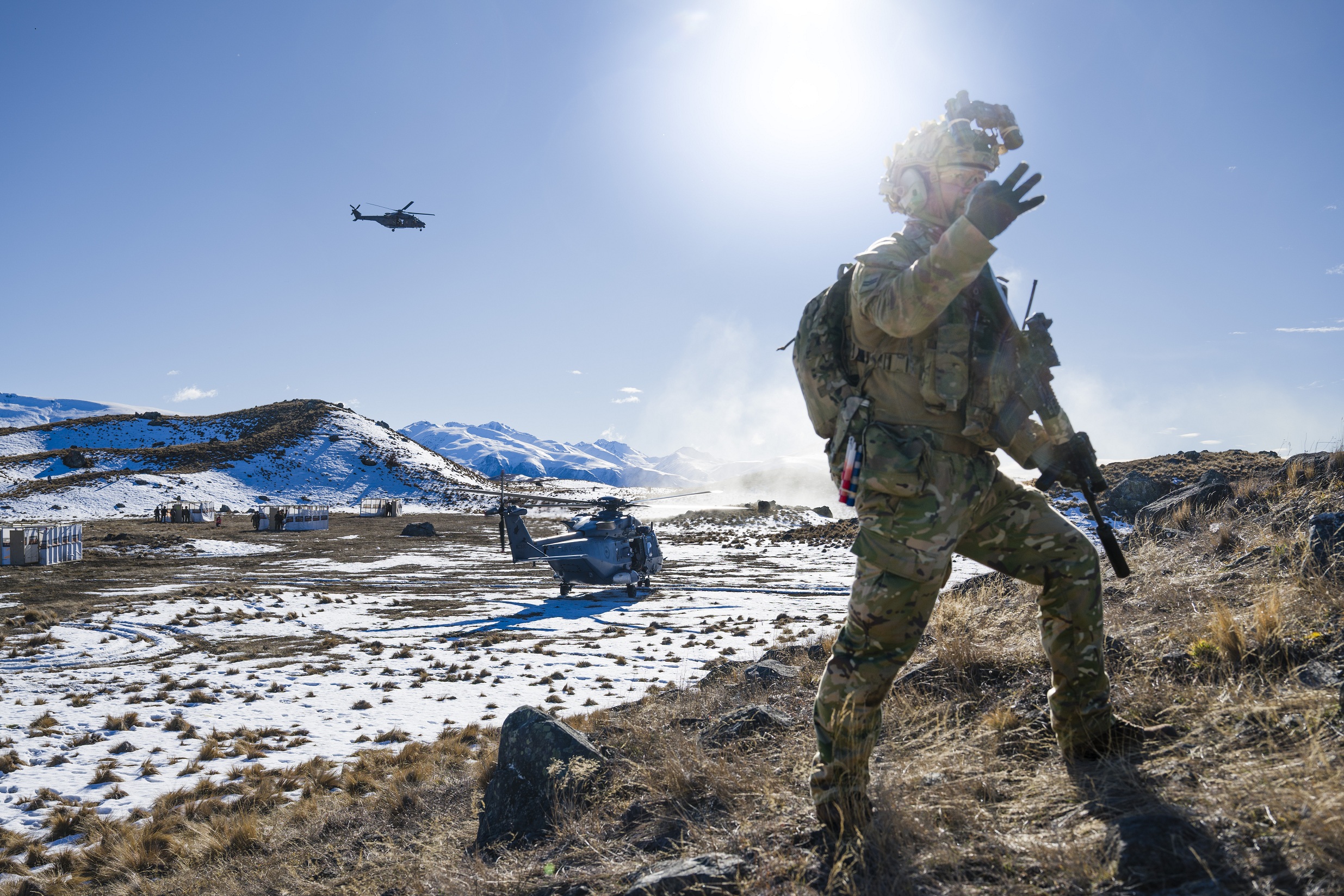
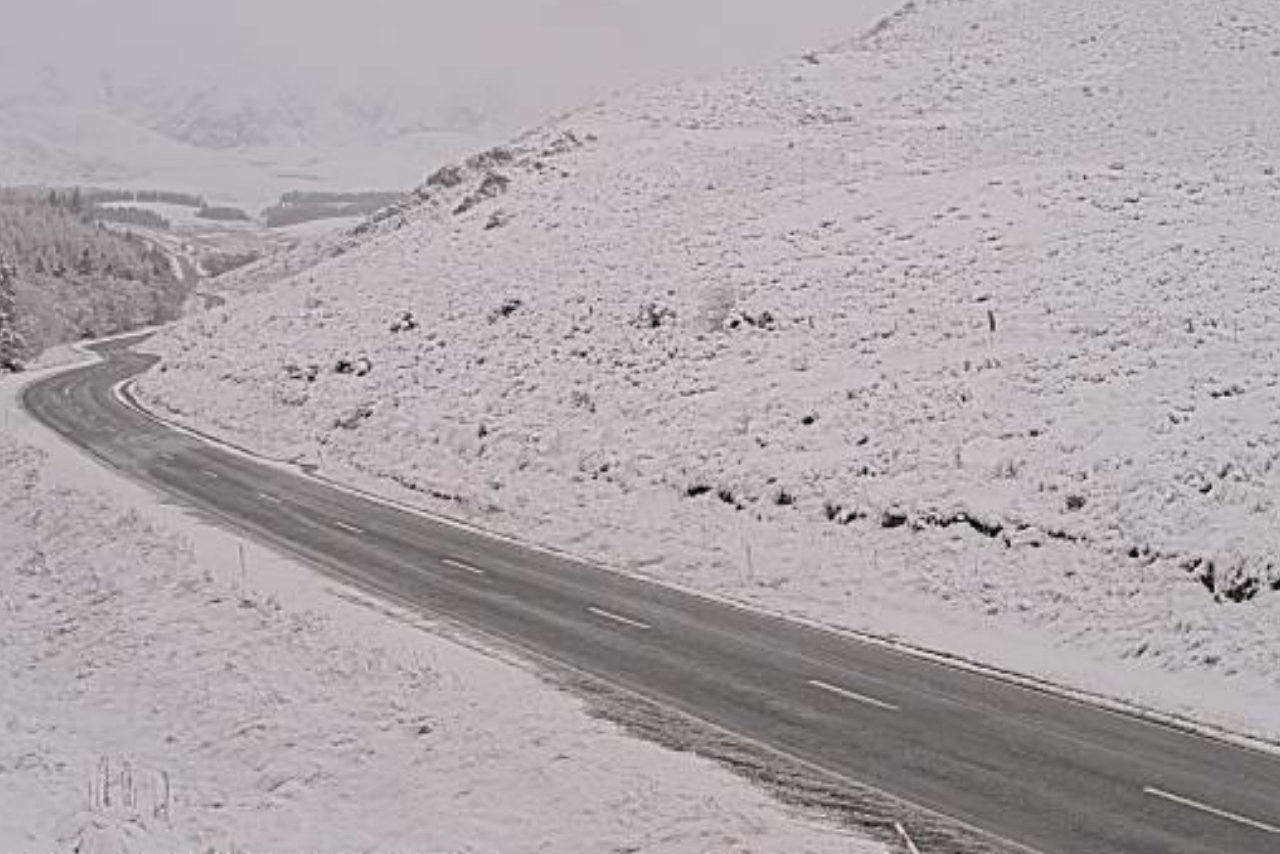
Snow, ice and sub-zero temperatures have tested New Zealand Army soldiers and Royal New Zealand Air Force helicopter crews during a major joint combat training exercise at Tekapo.
Around 250 personnel took part in the exercise at the Tekapo Military Training Area, including RNZAF No. 3 Squadron, supporting ground units and the New Zealand Army’s High Readiness Task Unit.
The training was built around a fictional conflict in the Pacific and included simulated surface-to-air missile attacks against NH90 helicopters.
Air crews were tested on the planning and execution of tactical air mobility operations in a high-pressure and rapidly changing environment.
Training included mountain flying, refuelling helicopters while their rotors were running, command and control, logistics and aviation support.
Soldiers from Alpha Company, 2nd/1st Battalion, Royal New Zealand Infantry Regiment also practised combat infiltration, reconnaissance, sniper operations and live-fire drills in a constructed urban environment.
Lead operations planner Flight Lieutenant Jamieson Taylor said working closely with the High Readiness Task Unit allowed the two services to complete an entire planning cycle together before carrying out the mission.
“It isn’t something we get to do often as we aren’t located together, so it was hugely beneficial for both sides,” he said.
Flight Lieutenant Taylor said aviation fuel specialists, security forces, logistics personnel, firefighters, intelligence staff, health services, maintenance teams, communications specialists and caterers were all critical to the exercise.
“We couldn’t fly without the support from ground trades, therefore it is essential that we practise operating with them in a deployed scenario,” he said.
The exercise placed the entire team under pressure, but personnel adapted well to a constantly changing tactical environment.
Exercise controller Squadron Leader Brad Cottam said surface-to-air missile threats were simulated using a portable ground-based device known as the Phantom.
The device, used for the first time during No. 3 Squadron training, sends a signal from several kilometres away to replicate an enemy missile targeting system.
The NH90 detects the signal, recognises the missile signature and automatically activates its self-protection system.
A pyrotechnic device known as the Smokey SAM is then fired to simulate a missile launch, creating a flash and visible smoke trail.
Squadron Leader Cottam said the technology helped create a challenging, realistic and safe training environment while preparing Defence Force personnel for modern combat operations.
Alpha Company commanding officer Major Jono Healey said the exercise allowed soldiers to carry out company attacks in an urban environment during both the day and night.
It also gave newer members of the unit their first opportunity to complete live field firing exercises while using night vision equipment.
“The team worked hard to safely build up for this exercise. We started training for the exercise back in April, so this is the culmination of that journey,” he said.
“The soldiers reached a stage where they could work just as comfortably in total darkness as daylight.”
Major Healey said live firing was always a highlight of the unit’s training year because it required soldiers to remain fully focused and ensure every drill was completed correctly.
“Live field firing and the added complexity of helicopter insertion and snipers was another significant challenge,” he said.
“Working with No. 3 Squadron was really beneficial and enabled us to understand each other’s needs and capabilities. This is essential should we find ourselves working together overseas at short notice.
“Being able to deploy on short notice and trust in your team and the interoperability of other units and services you’re working alongside is critical.”