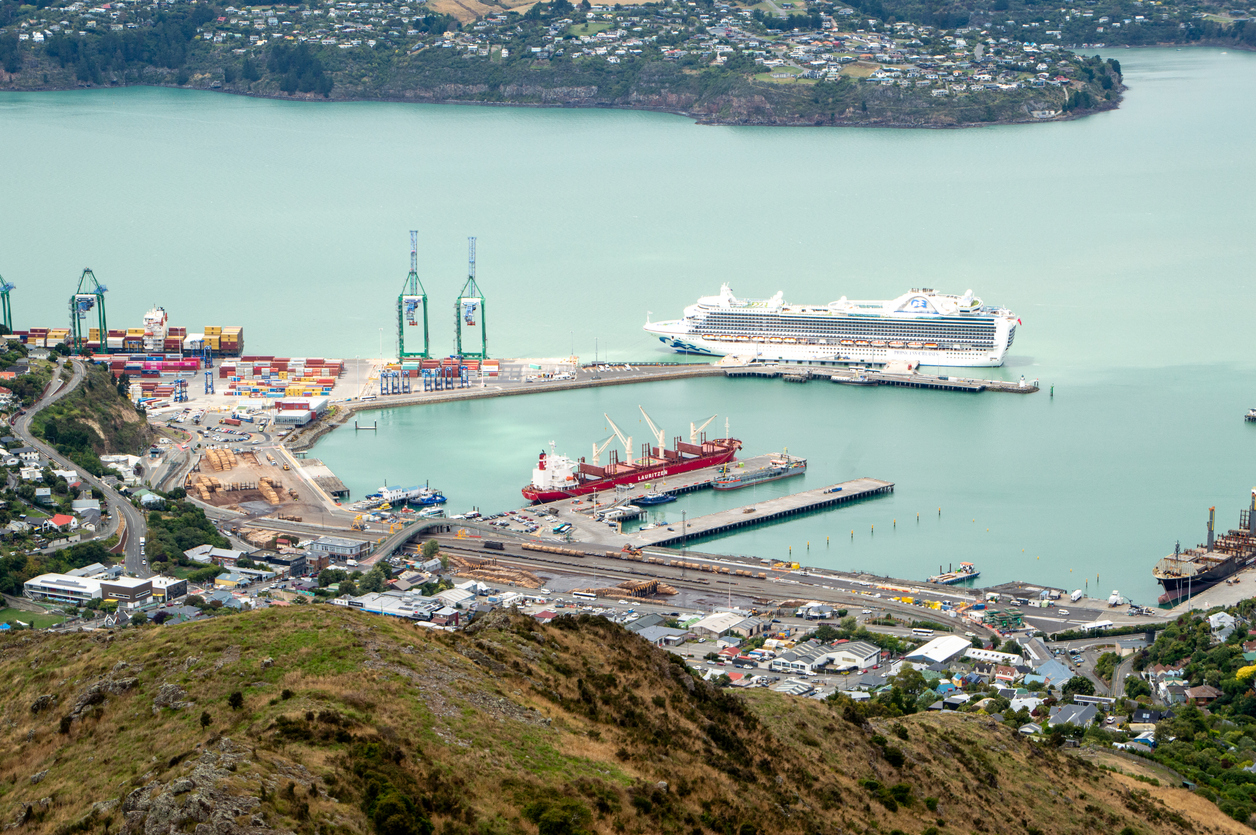
Escaped youth tracked by Eagle helicopter, found hiding in New Brighton
The young person who escaped from a youth justice facility in Rolleston has been located...


The young person who escaped from a youth justice facility in Rolleston has been located...

A person has been seriously injured on State Highway 75, Christchurch Akaroa Road. A police...

BodyFix Gym Christchurch in Phillipstown has taken out two major honours at the Exercise New...

Local MPs have found areas of agreement on major Resource Management Act reforms, during a...

A series of public events have been organised across Christchurch and Lyttelton over the coming...

A woman was taken to hospital after a ‘water incident’ at Parakiore Recreation and Sport...

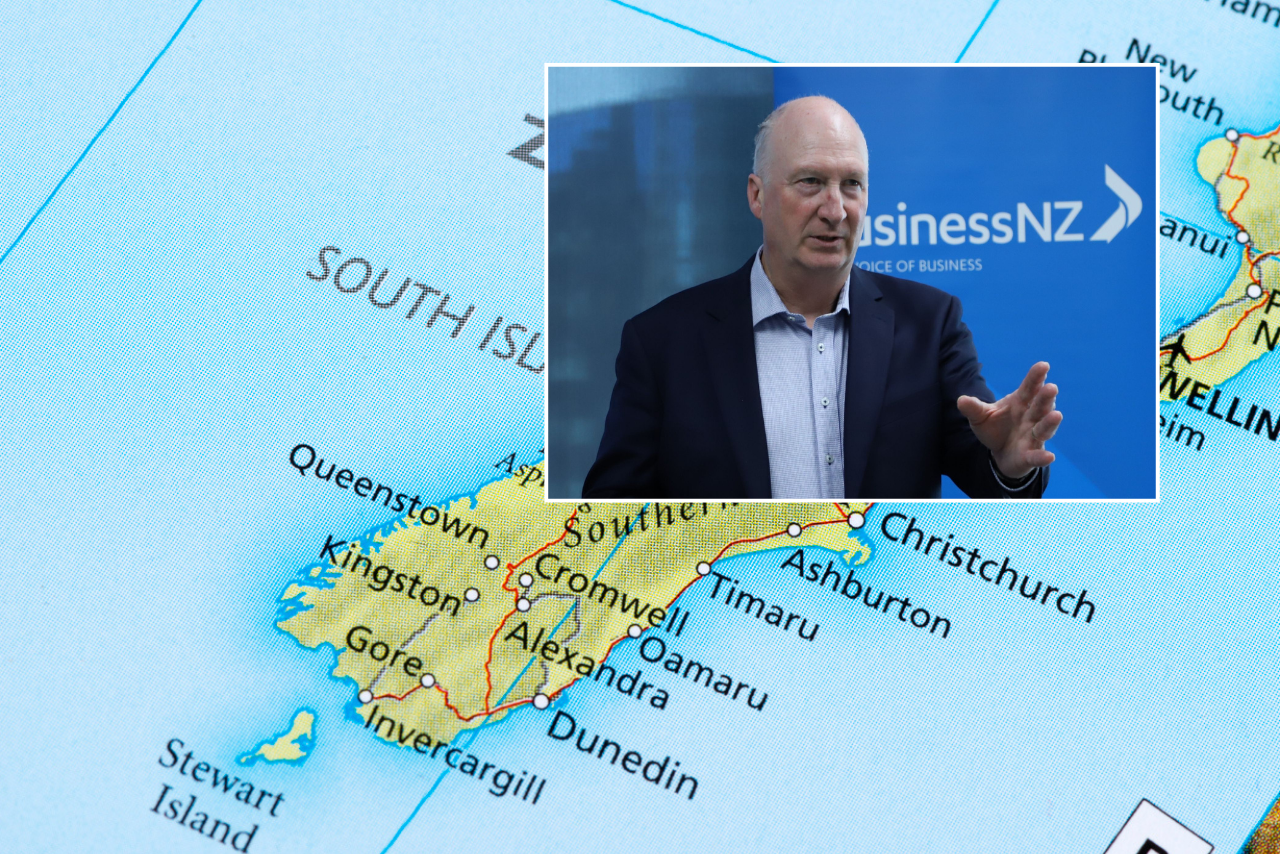
The South Island is doing much of the heavy lifting in New Zealand’s economic recovery, with unemployment relatively low across the region.
That is the picture in the latest BusinessNZ Planning Forecast, which shows the economy has clawed back the ground it lost earlier in the year and is now on track for solid growth out to 2028.
BusinessNZ is the country’s largest business advocacy group, representing thousands of firms through its network of EMA, Business Central and Business South.
Its Planning Forecast is a quarterly assessment drawing on more than 30 economic indicators and the forecasts of the major banks.
The organisation’s Economic Conditions Index sits at 13 for the September quarter, up 13 points on the previous quarter and up 10 points on a year ago. A reading above zero indicates conditions are improving.
Annual growth is expected to be around 3 percent by 2028, BusinessNZ chief economist John Pask said.
“The ongoing conflict in the Middle East and heightened geopolitical tensions elsewhere continue to have an impact, but New Zealand’s economy has fared better than expected with annual growth nearing three percent by 2028.”
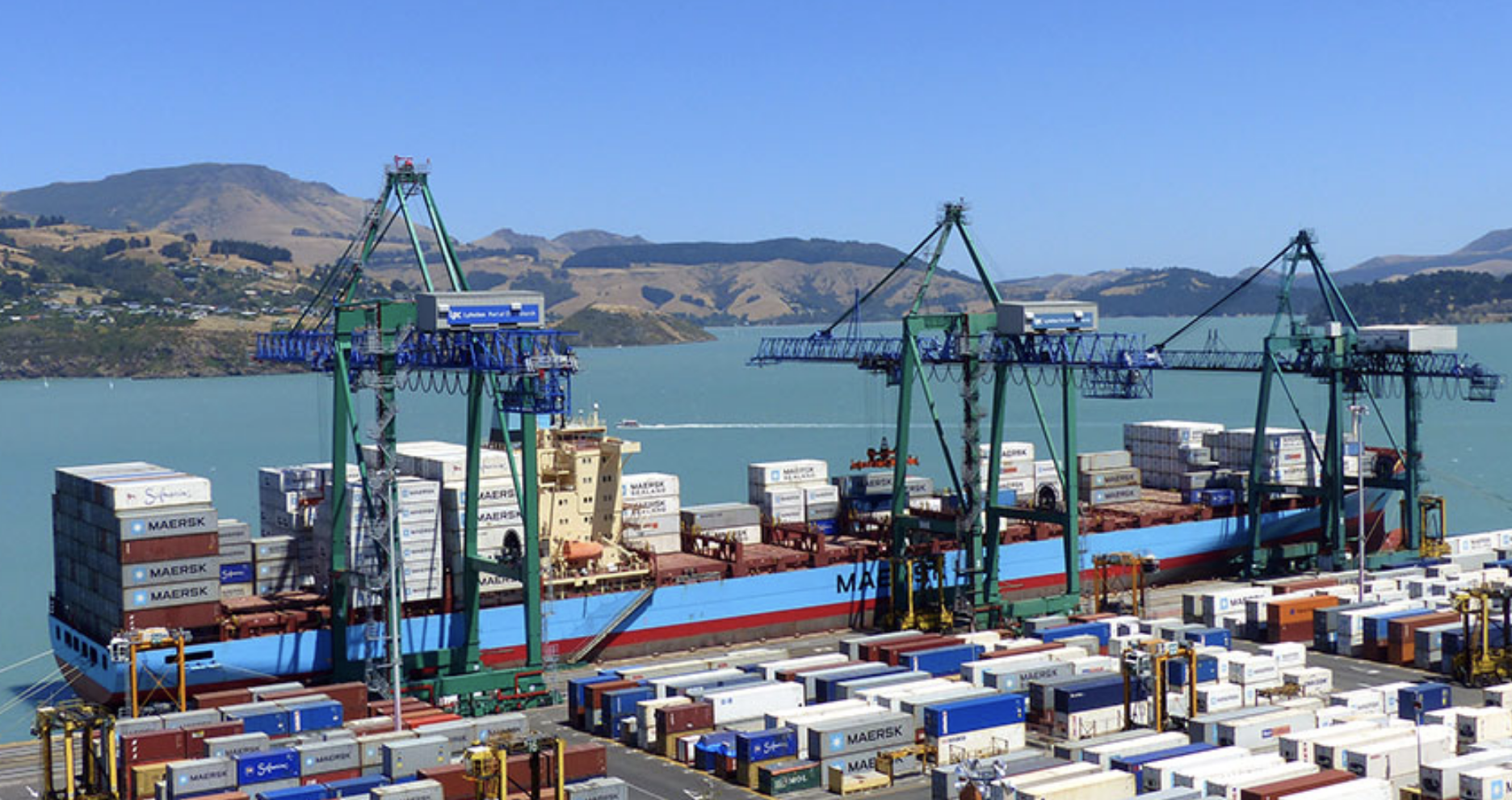
Strong international commodity prices are driving growth in regional New Zealand, particularly in the south, the forecast said.
Unemployment is relatively low across much of the South Island, pushed down by continued agricultural growth and the upturn in tourism, while Auckland and Wellington are weighing down the North Island.
The regional split shows up clearly in the housing market. ASB’s latest Housing Confidence Survey has price growth expectations at a net 23 percent in Canterbury and 18 percent across the rest of the South Island. Nationally the figure is a net 9 percent, down from 30 percent at the start of 2026, and in Auckland optimism has dropped to a net 4 percent from 14 percent.
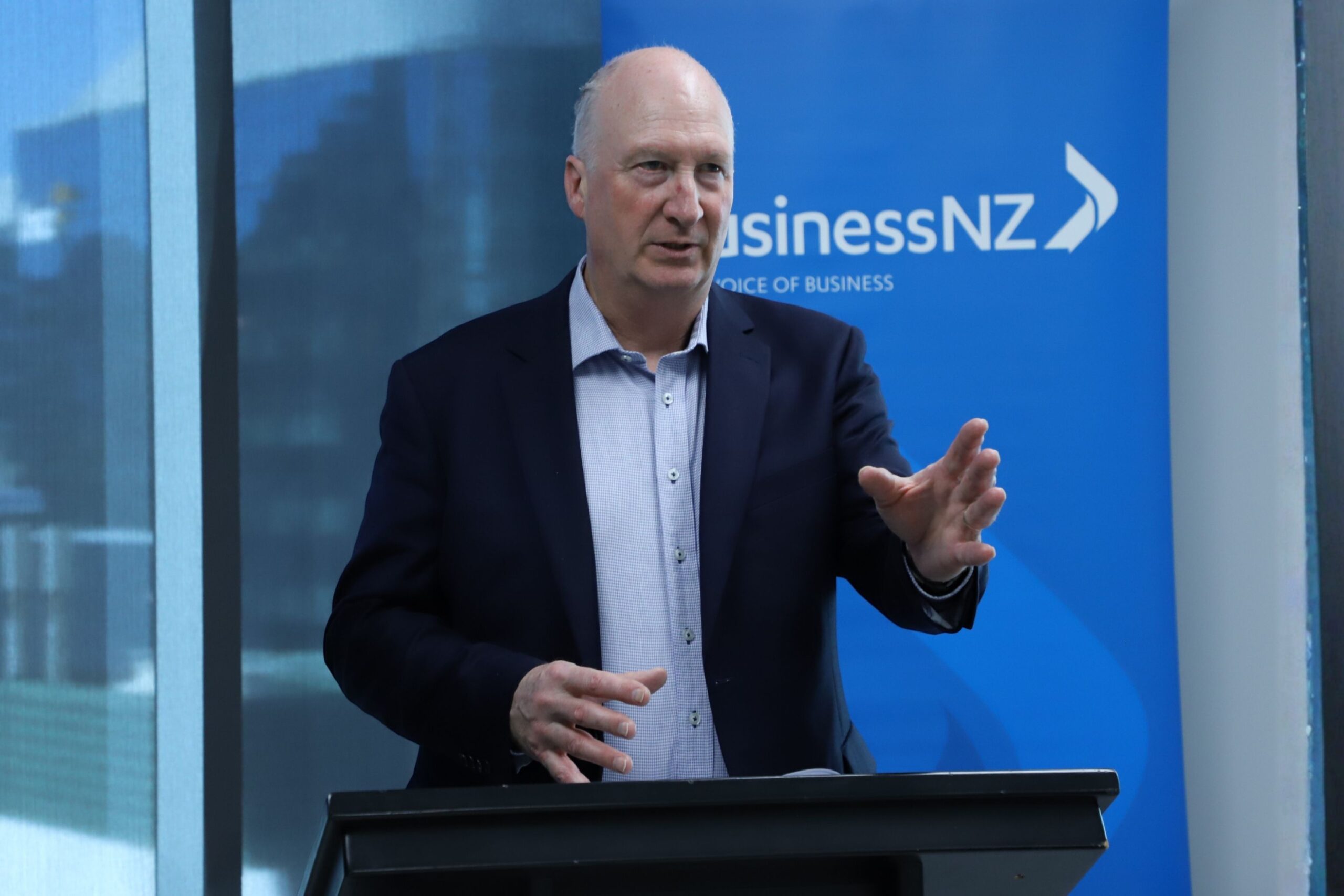
, BusinessNZ chief economist John Pask
Food and fibre exports are forecast to reach a record $64.3 billion in the year to June 2026, up 6 percent, with dairy, red meat, kiwifruit and apples leading the increase. Farm level sheep and beef profit before tax is forecast to rise 96 percent as higher revenue outstrips higher costs.
Farmers are receiving strong commodity prices but are also facing substantially higher costs for fertiliser, fuel, freight, machinery and finance, the forecast said. The next phase of the agricultural cycle would be less about lifting output and more about improving productivity and margins.
Tourism has moved past its recovery phase, with 3.67 million overseas visitor arrivals in the year to June 2026, up 9 percent on the year before. Holiday arrivals were up 15.3 percent and conference arrivals up 16.7 percent.
Hospitality is expected to benefit, although the forecast warns of a two speed sector, with operators in strong tourist locations performing considerably better than marginal ones. Margins remain the weak point, squeezed by labour costs, electricity, commercial rents, insurance and compliance.
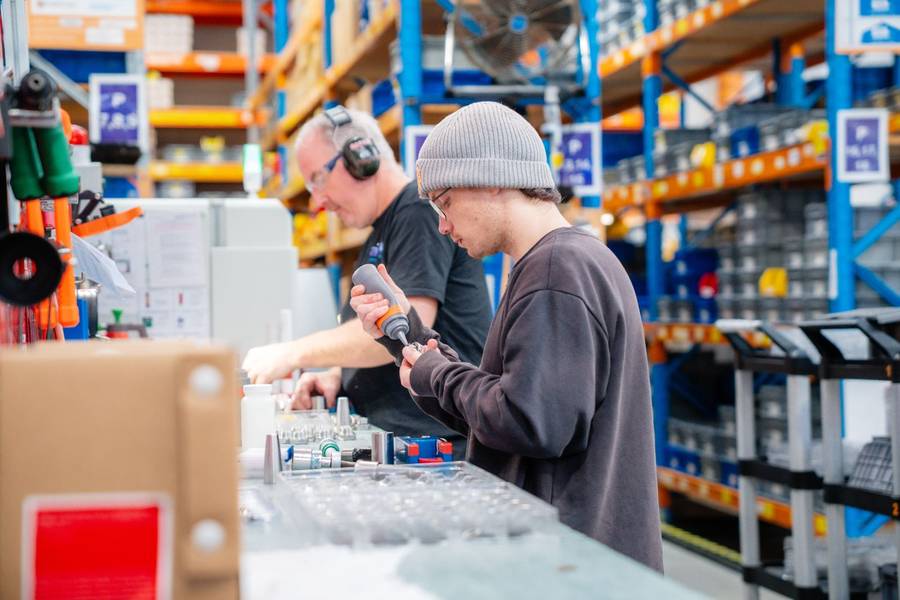
Manufacturing and services are both back in expansion. The BNZ BusinessNZ Performance of Manufacturing Index was 54.3 in July, well clear of its long term average of 52.5, while the Performance of Services Index was 50.6, a second consecutive month above the break even mark.
Sentiment is weaker than the numbers suggest. Fifty seven percent of manufacturing comments were negative, and 64 percent in services, with respondents pointing to fuel and raw material costs, the Middle East conflict and a reluctance among customers to spend.
Construction is turning from contraction to recovery, with 40,581 new homes consented in the year to June 2026, up 19 percent. Total construction activity fell from $63 billion in 2023 to an estimated $55.7 billion last year and is forecast to climb to around $65.4 billion by 2030.
Inflation is still the sore point. Headline inflation is running at 4.1 percent, well outside the Reserve Bank’s target band of 1 to 3 percent, largely on higher fuel costs flowing from the Middle East conflict. The forecast has it back to around 2 percent for both 2027 and 2028.
The Reserve Bank lifted the Official Cash Rate from 2.5 percent to 2.75 percent at its latest review, with further rises signalled. The NZIER Shadow Board expects the neutral level to settle at 3 to 3.25 percent by mid 2027.
Council rates, water charges and insurance are all named as pressures likely to keep inflation elevated. The forecast warns councils may try to lift rates before any Government cap comes in, and that costs attached to the new water entities are “clearly eye watering”.
With the general election a couple of months away, a record 40 percent of New Zealand investors told ASB they were very concerned about how domestic political uncertainty could affect their investments, with a further 46 percent concerned. That has not yet changed what they are actually doing with their money.
Pask said investors were nervous but were carrying on.
“Businesses are conscious of the risks both at home and abroad, but for the most part are getting on with business. Confidence is holding up, credit activity is increasing and both the Performance of Manufacturing Index and Performance of Services Index have returned to expansion.”
The forecast is critical of parties campaigning on a return to a dual mandate for the Reserve Bank, describing the prospect of reintroducing a maximum sustainable employment objective alongside price stability as concerning and a risk to the credibility of monetary policy.
Longer term, the report identifies three challenges the country has not resolved: an ageing population and how retirement incomes and healthcare will be funded, a three year electoral cycle that encourages short term thinking, and exposure as a trading nation to decisions made in Washington and Beijing.
“How we respond to these issues now will determine whether we can secure stronger, sustained growth over the long term,” Pask said.
The unemployment rate rose slightly to 5.6 percent in the June quarter and is expected to have peaked, drifting down to around 4.7 percent by late 2028. Underutilisation remains high at 13.8 percent, and among 15 to 24 year olds it has climbed from 33.6 percent to 37 percent over the year.
The full Planning Forecast for the September 2026 quarter is available at businessnz.org.nz.