Escaped youth tracked by Eagle helicopter, found hiding in New Brighton
The young person who escaped from a youth justice facility in Rolleston has been located...


The young person who escaped from a youth justice facility in Rolleston has been located...

A person has been seriously injured on State Highway 75, Christchurch Akaroa Road. A police...

BodyFix Gym Christchurch in Phillipstown has taken out two major honours at the Exercise New...

Local MPs have found areas of agreement on major Resource Management Act reforms, during a...

A series of public events have been organised across Christchurch and Lyttelton over the coming...

A woman was taken to hospital after a ‘water incident’ at Parakiore Recreation and Sport...

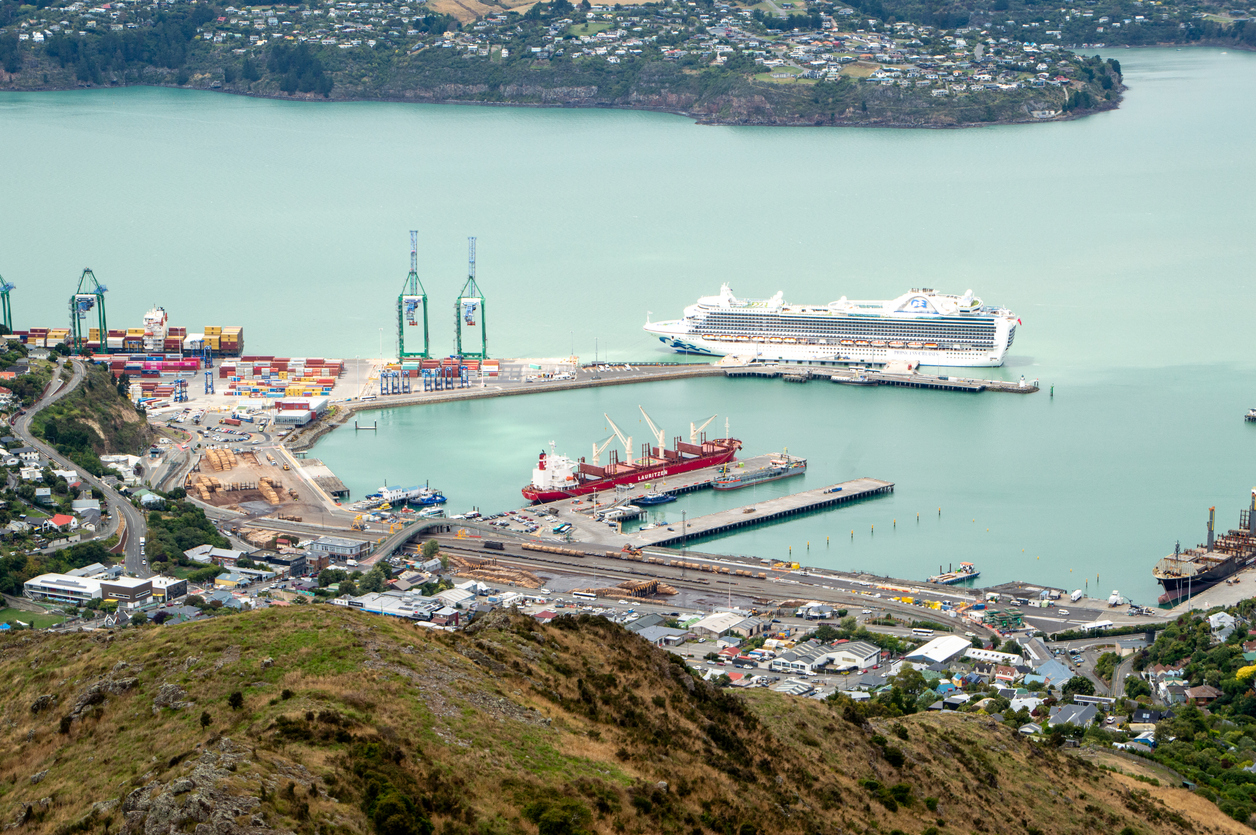
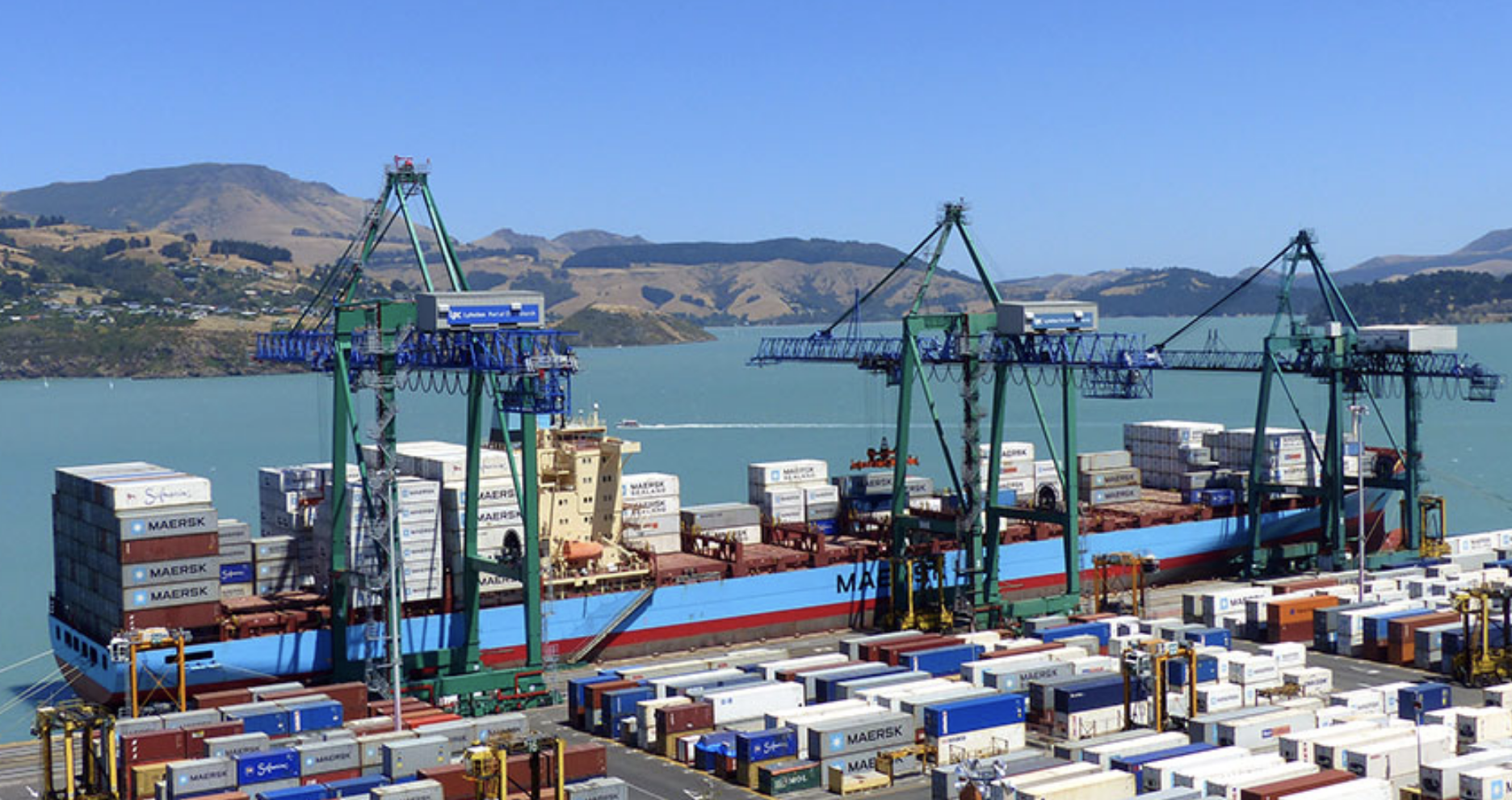
Christchurch City Holdings Limited has shut down a bid by a consortium involving global port operator DP World and three Ngāi Tahu Papatipu Rūnanga to take a majority interest in the operation of Lyttelton Port.
The unsolicited proposal was submitted in June by the Tōnui Consortium, representing DP World, Ngāti Wheke, Ngāi Tūāhuriri and Te Taumutu.
It proposed acquiring a majority interest in a long term lease of Lyttelton Port Company’s operating entity, although the consortium maintained the port itself would have remained publicly owned.
CCHL declined to progress the proposal to commercial due diligence, saying it was not sufficiently compelling to justify further investigation or consultation with Christchurch City Council.
CCHL Chair Bryan Pearson said Lyttelton Port was an important strategic asset for Christchurch and the wider region.
“Our assessment of the proposal, as presented, is it does not meet the threshold for ongoing consideration and is not sufficiently compelling to warrant further detailed investigation by CCHL, or additional consultation with Council given its Letter of Expectation,” Pearson said.
He acknowledged the work undertaken by the consortium and the range of interests surrounding the future of the port.
“Lyttelton Port is a strategic asset for the city and region, and there are diverse groups within our community with interests in its future,” he said.
The Tōnui Consortium said it was disappointed the proposal had been rejected without progressing to commercial due diligence, arguing Christchurch had been denied the opportunity to compare two fundamentally different futures for the port.
“This wasn’t simply a choice between two commercial proposals,” a Tōnui spokesperson said.
“It was a decision not to compare two fundamentally different futures for the port. We believe that was a significant missed opportunity for Christchurch.”
Tōnui said its proposed partnership would have retained public ownership of Lyttelton Port while bringing together CCHL, Lyttelton Port Company, mana whenua and one of the world’s largest port operators.
The consortium said the arrangement would have shared the cost and risk of future investment, brought international expertise to the port and embedded mana whenua in its long term development.
It argued CCHL’s decision meant Christchurch ratepayers would continue to carry the financial risk associated with future port development.
CCHL said its assessment took into account Christchurch City Council’s 2026/27 Letter of Expectation, which explicitly did not support leasing the port and encouraged the retention of a directly employed workforce.
Tōnui said CCHL’s reliance on the council’s direction raised questions about whether the alternative operating model had ever been able to receive an impartial commercial assessment.
“Was there ever a genuine opportunity for an alternative partnership model to be assessed on its commercial merits, or had the policy parameters for the decision already been set?” the spokesperson said.
The consortium said it had honoured a request from CCHL not to share details of the proposal with elected members while it was being assessed.
It claimed the restriction meant others were able to publicly characterise and criticise the proposal while Tōnui was unable to explain or defend it.
“Commercial due diligence exists to test assumptions, not simply confirm existing positions,” the spokesperson said.
“Throughout the assessment, Tōnui accepted significant constraints on its ability to explain the proposal, while others were free to characterise and criticise a proposal they had never seen.
“Whether those constraints allowed a narrative to develop that influenced the outcome is now a legitimate question.”
Tōnui also rejected claims the proposal would have amounted to the privatisation of Lyttelton Port.
“This was never a proposal to privatise Lyttelton Port,” the spokesperson said.
“It was a genuine partnership that retained public ownership, embedded mana whenua in the future of the port, reduced risk for Christchurch ratepayers and brought world leading operational capability to New Zealand.”
The consortium said the rejection appeared inconsistent with Christchurch City Council’s strategic framework, which described Christchurch as a city open to new ideas, investment and new ways of doing things.
“Today’s decision sends a very different message,” the spokesperson said.
“If a partnership like this couldn’t even proceed to commercial due diligence, future investors are entitled to ask whether Christchurch is genuinely open to new ideas and new investment.”
CCHL said it had also considered Lyttelton Port’s improving financial and operational performance, the resilience of its infrastructure and the leadership needed to maintain safe and efficient operations.
“CCHL maintains full confidence in the LPC board and management and their operation of the port, and continues to work closely with LPC in considering the port’s long term development and associated investment,” Pearson said.
CCHL said it would not comment further on the proposal’s details because of commercial and confidentiality considerations.
Tōnui said the proposal had reached its conclusion, but the partnership between DP World and the three rūnanga remained strong.
“Together we will continue exploring opportunities to support the long term prosperity of Te Waipounamu and New Zealand,” the spokesperson said.
Harry Robson from Keep Our Port Public said campaigners opposed to privatisation at the port “anticipated they (CCHL) might reject it”.
Robson said the Keep Our Port Public activation will still be held outside CCHL offices on Friday, running from 8am to 10am at 151 Cambridge Terrace.