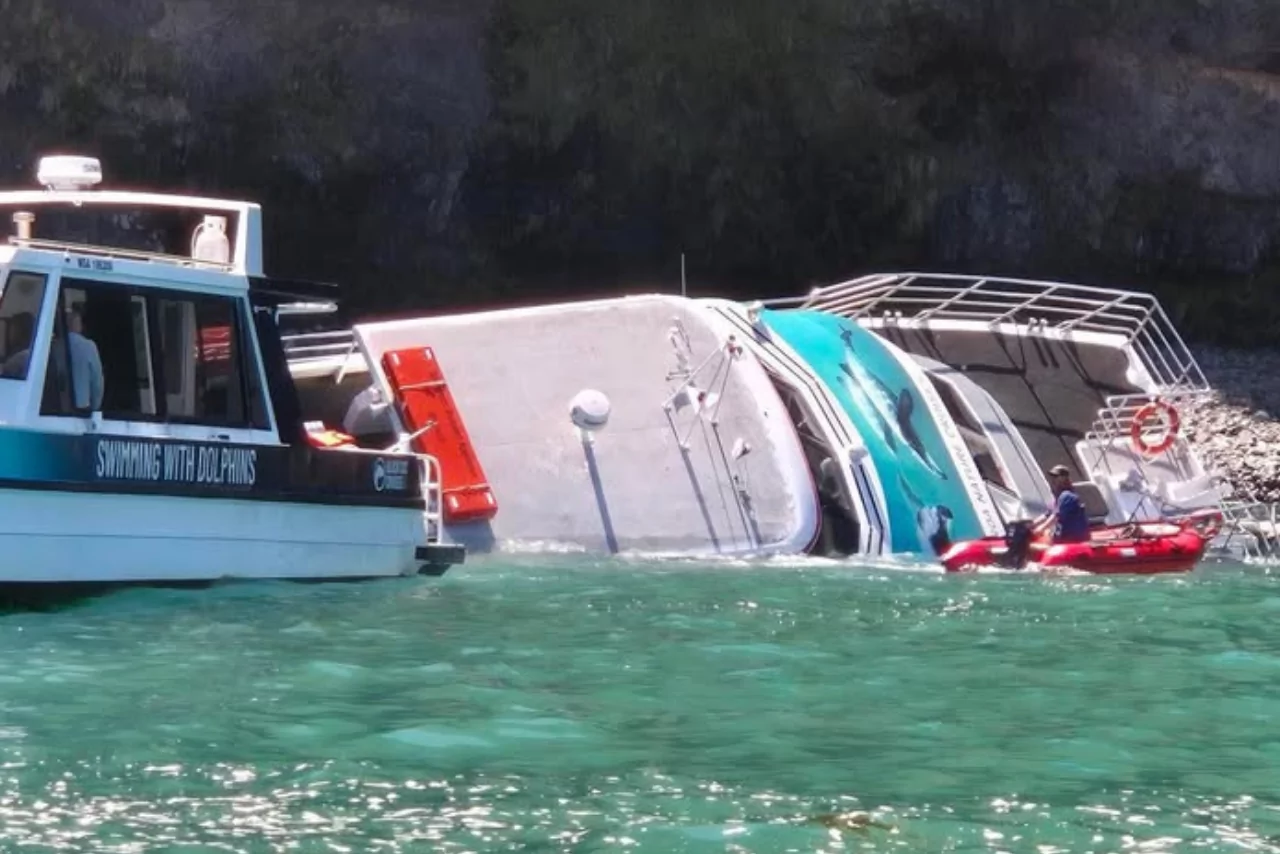
Escaped youth tracked by Eagle helicopter, found hiding in New Brighton
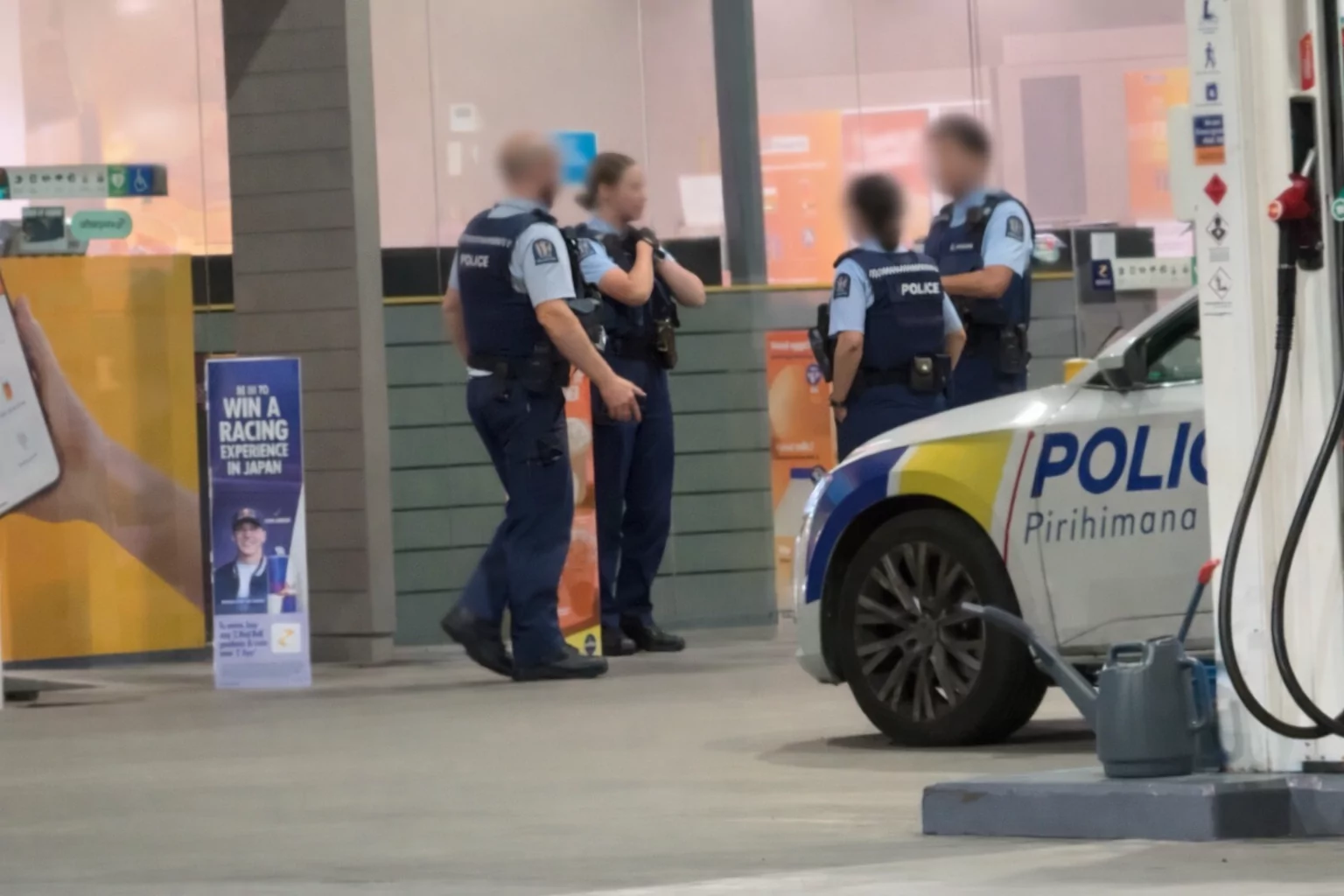
The young person who escaped from a youth justice facility in Rolleston has been located...

The young person who escaped from a youth justice facility in Rolleston has been located...
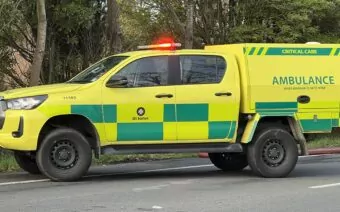
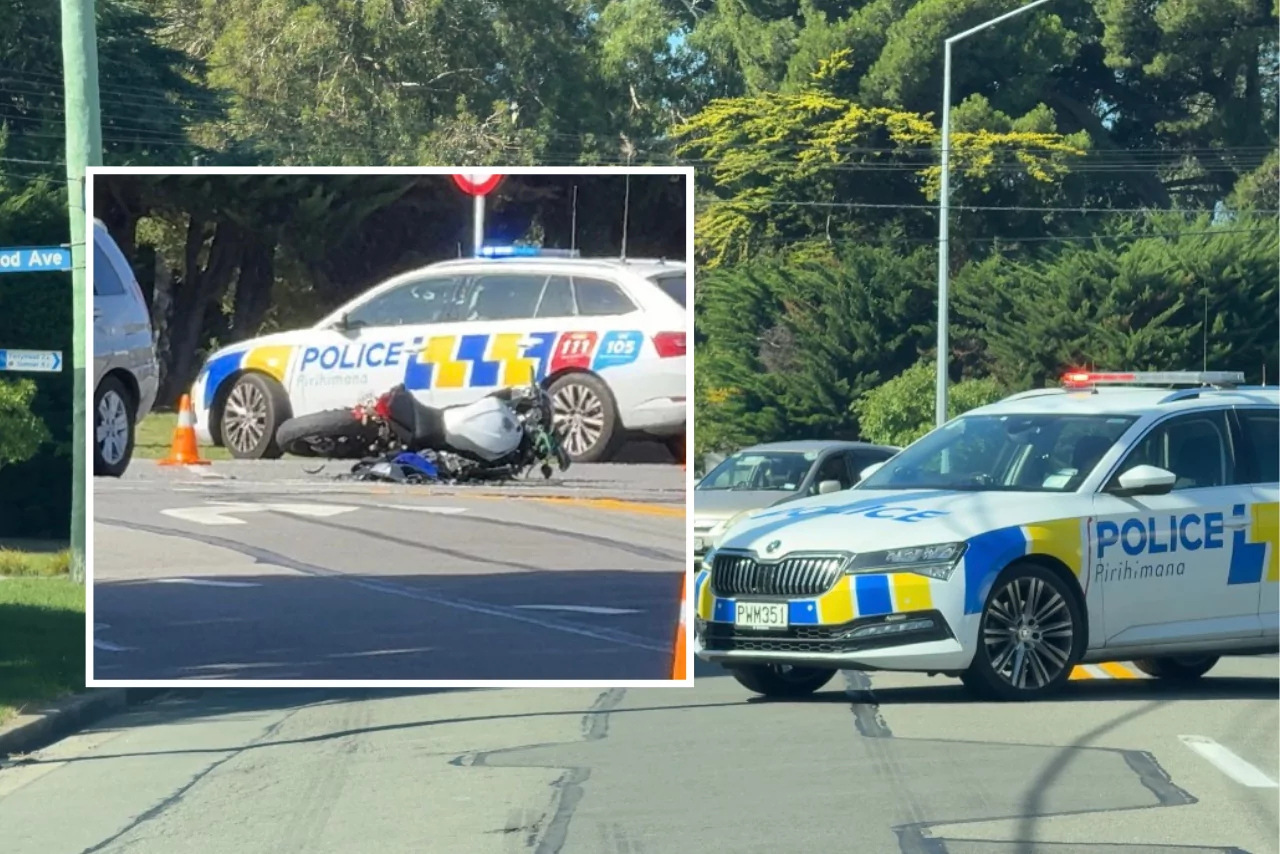
A person has been seriously injured on State Highway 75, Christchurch Akaroa Road. A police...

BodyFix Gym Christchurch in Phillipstown has taken out two major honours at the Exercise New...
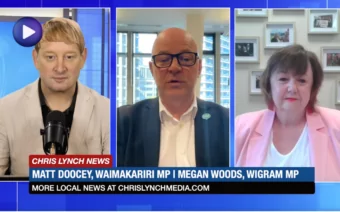
Local MPs have found areas of agreement on major Resource Management Act reforms, during a...
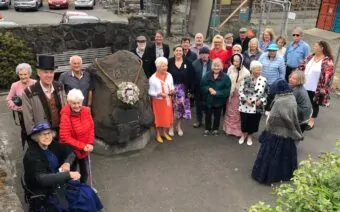
A series of public events have been organised across Christchurch and Lyttelton over the coming...
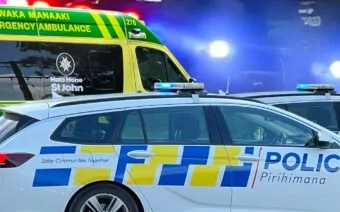
A woman was taken to hospital after a ‘water incident’ at Parakiore Recreation and Sport...
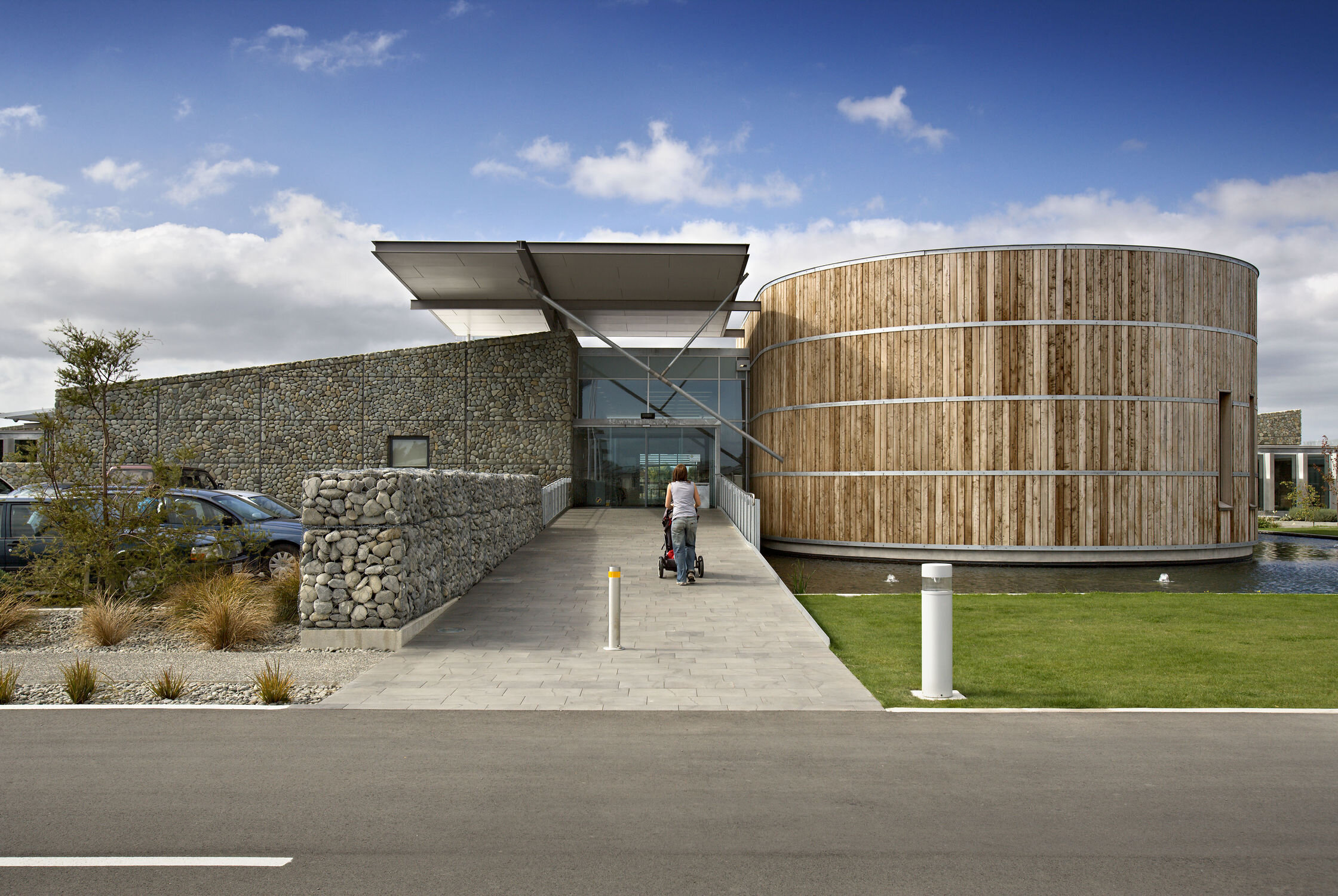
Selwyn District Council has confirmed it will increase rates by 1.6 percent.
Mayor Sam Broughton says “the Council recognised the economic impact of the pandemic on households and the need to minimise the impact of rates on that.”
“This plan aims to be compassionate and realistic about people’s circumstances, making savings where we can, while continuing to invest with infrastructure and facilities and projects that will provide jobs, boost economic activity and improve the wellbeing of Selwyn in the long term.”
Some of the major projects this year include Te Ara Ātea and the Rolleston town centre ($14 million), Foster Park indoor courts ($14 million), Selwyn Aquatic Centre extension ($9 million), the new Health Hub ($13 million) and new facilities at the Pines Resource Recovery Park ($3 million).
Major infrastructure projects include the Springs/Marshs Road and Shands/Blakes Road intersection upgrades ($10 million), Wordsworth Street Extension ($4 million), district-wide water quality improvements ($5 million), and upgrades to the Eastern Selwyn Sewerage Scheme ($14 million).
The Council had initially expected an average rates increase of around 3.5% for the year, but through savings this was more than halved to an average increase of 1.6%.
Photo: Supplied
The Council has deferred a number of projects including the planned Prebbleton Community Centre.
The Chief Executive and Mayor have both taken pay cuts, and salaries and staff numbers have been capped at current levels, with the exception of staff required to operate the new buildings, once completed.
The Council has also put in place a rates assistance package to help people affected by COVID-19, including an extended rates payment period and reduced penalty fees.
The plan was agreed following consultation and public hearings.
A total of 235 formal submission were received, along with 110 responses to an online survey conducted through the Council’s online engagement site. Of these, 60 submitters were heard in public hearings that took place over two days.