Escaped youth tracked by Eagle helicopter, found hiding in New Brighton
The young person who escaped from a youth justice facility in Rolleston has been located...


The young person who escaped from a youth justice facility in Rolleston has been located...

A person has been seriously injured on State Highway 75, Christchurch Akaroa Road. A police...

BodyFix Gym Christchurch in Phillipstown has taken out two major honours at the Exercise New...

Local MPs have found areas of agreement on major Resource Management Act reforms, during a...

A series of public events have been organised across Christchurch and Lyttelton over the coming...

A woman was taken to hospital after a ‘water incident’ at Parakiore Recreation and Sport...

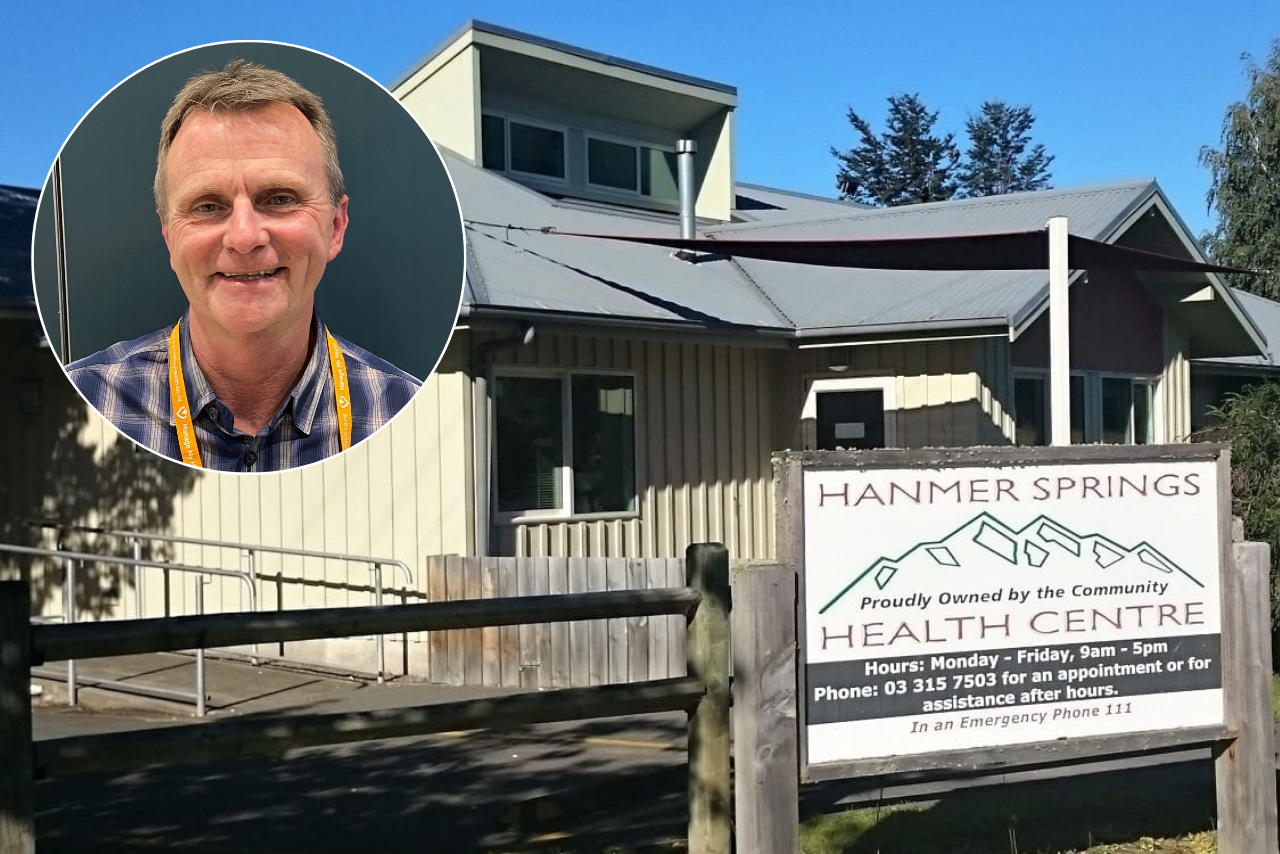
Rural adults facing costly assessments, long waits and hours of travel for an ADHD diagnosis could receive care closer to home through an expanded North Canterbury service.
Hanmer Springs Community Trust will expand its rural adult ADHD pilot into a regional assessment, treatment and support service after being selected for government funding.
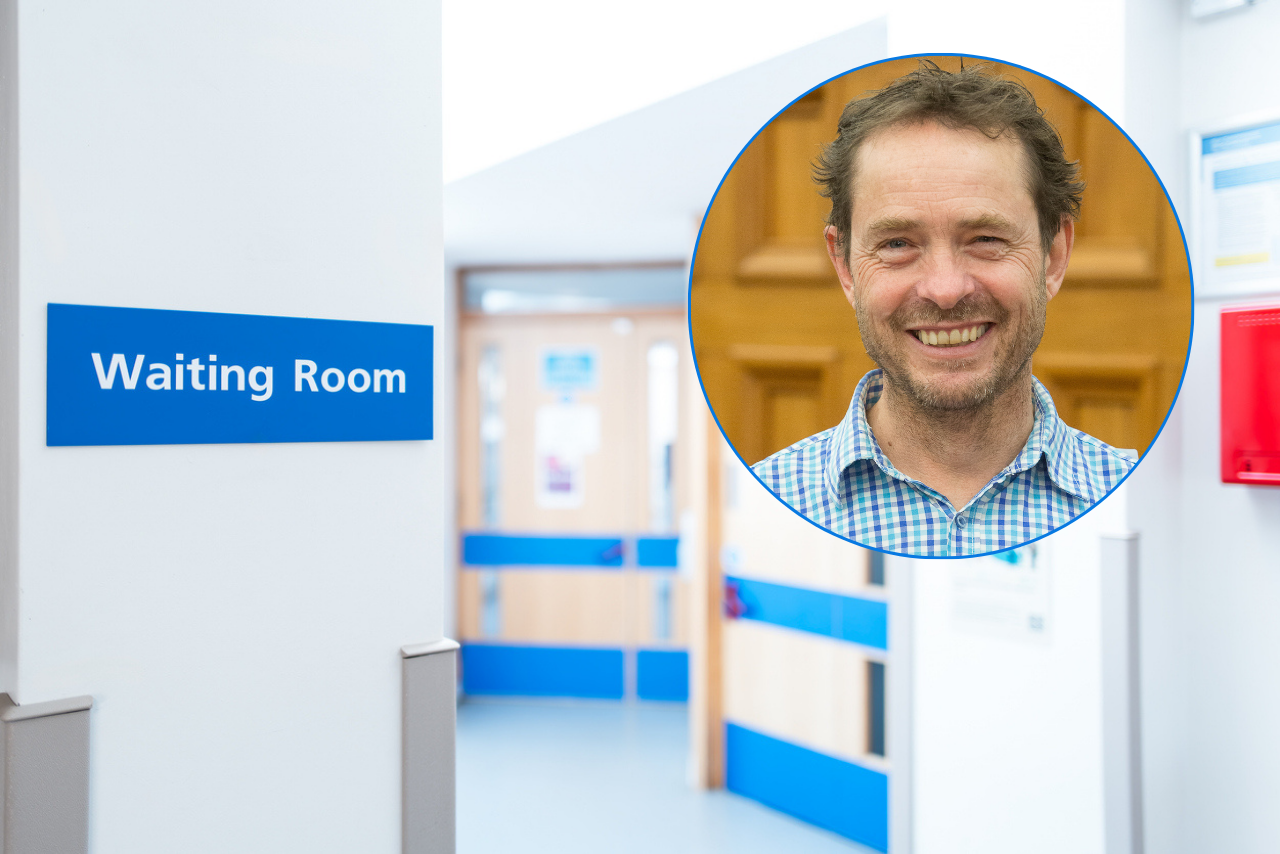
Hanmer Springs Health Centre practice manager Paul Walmsley told chrislynchmedia.com that existing barriers had left some adults without answers after years of difficulties with work, relationships, finances and everyday life.
“The message we hear most often is that people have effectively been locked out of a diagnosis.”
He said adults were often told they did not meet the threshold for publicly funded specialist services. Private clinical psychologist assessments in Christchurch could cost $1,500 to $2,000, with further psychiatric input sometimes needed.
Appointments could involve waits of many months and return journeys of more than three hours.
“For a farm worker who cannot easily take time off, a sole parent juggling family responsibilities, or someone on a low income, that simply is not a realistic option.”
The Rural Adult ADHD Hybrid Service will bring assessment, diagnosis and treatment into rural primary care, working alongside patients’ own GPs and nurse practitioners.
Changes introduced on February 1 allow specialist GPs and nurse practitioners working within their area of practice to diagnose adult ADHD and initiate prescribing.
Walmsley said the service had the potential to significantly shorten the time between someone raising concerns and receiving an assessment and treatment plan.
“That matters, because every month of waiting is another month of struggling at work, at home or with money.”
People seeking access should begin by speaking with the GP or nurse practitioner at the practice where they are enrolled, who could refer them to the service.
While much of the support will be delivered remotely, Walmsley said patchy internet coverage, limited privacy and differing levels of digital confidence had shaped its design.
“People can be seen in person at any of the five general practices in Hurunui. They can also use the phone rather than video or come into their local practice and join a telehealth appointment from a private room with a reliable connection.”
Support will include group and individual sessions covering ADHD self-management, executive function strategies, emotional regulation, workplace tools and financial management, alongside facilitated online peer support for adults and their families.
Funding will also help train rural primary care clinicians.
Hurunui Mayor Marie Black welcomed the service and credited Walmsley with helping secure it.
“I am thrilled to have this service available within our rural district and Paul has been instrumental in working with the appropriate authorities to make this happen,” Black told chrislynchmedia.com.
Black said she had strongly advocated for the initiative, which demonstrated what communities could achieve by identifying a need and developing a solution.
Waimakariri MP Matt Doocey said the trust was one of 22 non-government organisations receiving support through the third round of the Mental Health and Addiction Community Sector Innovation Fund.
“Our NGOs are often closest to the people they support and understand what is needed in their communities.
“The Innovation Fund gives these organisations an opportunity to test new approaches and build on ideas that are already working.”
Walmsley said ongoing care would sit within primary care, with patients’ usual clinicians involved from the outset. An independent social return on investment evaluation would help assess outcomes and inform future funding decisions.
He said the wider district still faced a significant gap for people whose mental health needs were too complex for a standard primary care appointment but did not meet specialist service thresholds.
“In rural areas that gap is wider, because we have fewer clinicians and longer distances.”
He called for continued investment in rural primary care and its workforce.
“Rural practices are already the front door for mental health in our communities.”
The funding announcement did not specify how much the trust would receive or when the expanded service would begin.