Escaped youth tracked by Eagle helicopter, found hiding in New Brighton
The young person who escaped from a youth justice facility in Rolleston has been located...


The young person who escaped from a youth justice facility in Rolleston has been located...

A person has been seriously injured on State Highway 75, Christchurch Akaroa Road. A police...

BodyFix Gym Christchurch in Phillipstown has taken out two major honours at the Exercise New...

Local MPs have found areas of agreement on major Resource Management Act reforms, during a...

A series of public events have been organised across Christchurch and Lyttelton over the coming...

A woman was taken to hospital after a ‘water incident’ at Parakiore Recreation and Sport...

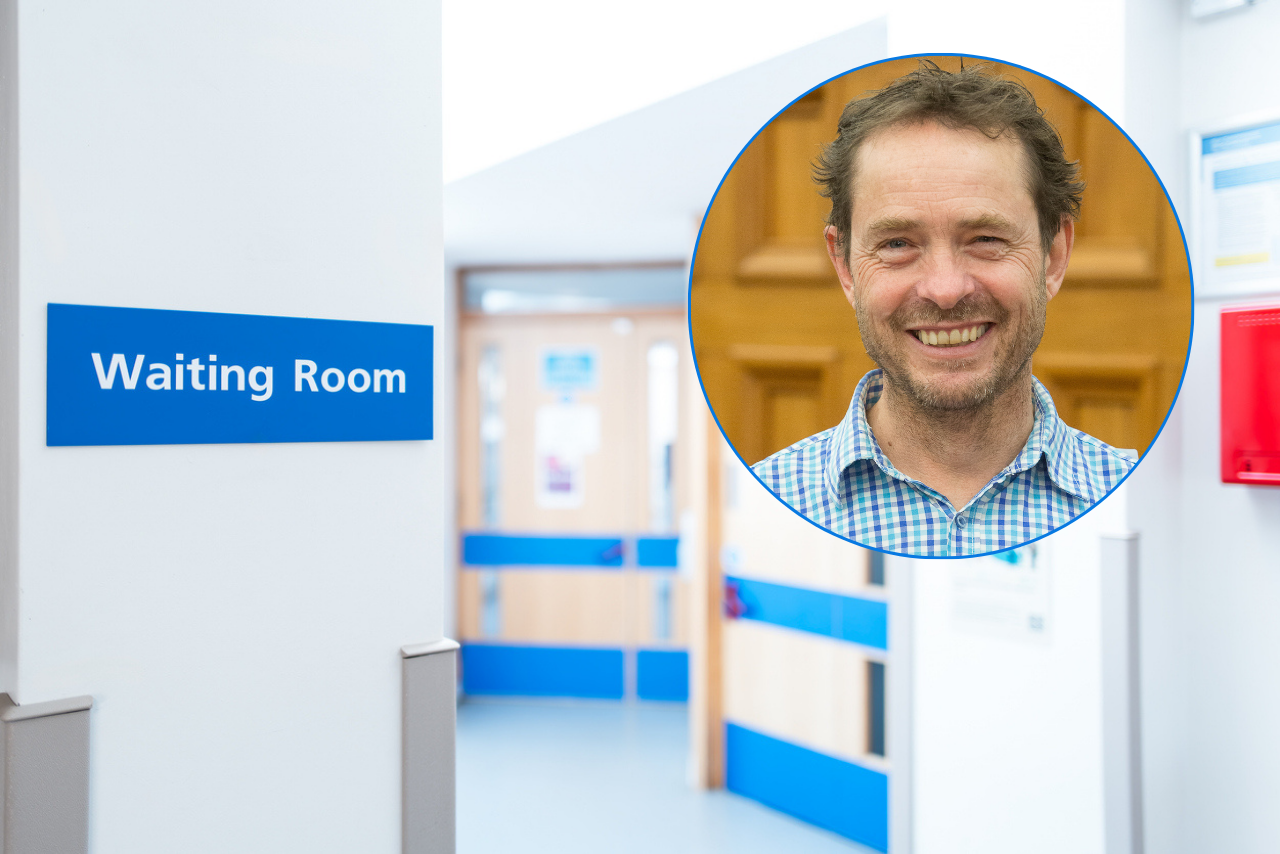
A Christchurch GP has warned that staffing shortages and financial pressure continue to threaten access to family doctors, despite a national survey showing signs of improvement.
Dr Angus Chambers, a GP at Riccarton Clinic and chair of the General Practice Owners Association (GenPro), said the sector was beginning to stabilise but significant challenges remained.
GenPro’s Annual Pulse Survey, conducted in August, received 206 responses, compared with 226 last year. The findings cover practices nationwide.
“General practice has stepped back from the edge, and that is welcome news for practices, their teams and their patients,” Chambers said.
“But the recovery is fragile. Almost half of practices still have a GP vacancy, too many practices remain financially stretched, and more than half are charging for services that were previously free.”
The proportion of responding practices with GP vacancies fell from 54 per cent last year to 47 per cent. Nursing vacancies also eased, from 23 per cent to 18 per cent.
Chambers said having enough doctors remained critical for patients.
“Having enough GPs is fundamental to continuity of care, timely appointments and maintaining access to primary care in communities across New Zealand,” he said.
In Canterbury, Pegasus Health is involved in a new South Island initiative aimed at strengthening the primary and community care workforce.
Health New Zealand contracted Pegasus Health and WellSouth to jointly establish and implement the Te Waipounamu Workforce Development Hub, established in June. Its work includes funding training, supporting new graduate nurses and helping attract and retain health professionals across the South Island.
The GenPro survey painted a mixed financial picture.
Twelve per cent of respondents reported making a loss in the last quarter of the financial year, compared with 19 per cent in the 2025 survey. Concern about future financial viability also eased, from 65 per cent to 60 per cent.
However, the proportion reporting a worse financial position than a year earlier rose from 23 per cent to 28 per cent.
Chambers said that was a warning that underlying financial pressures had not disappeared.
Costs also remained an issue for patients. About 56 per cent of practices were charging for services that had previously been free, down from 65 per cent last year.
There were improvements in access, with 39 per cent of practices accepting all new enrolments, up from 36 per cent. The proportion accepting no new patients fell from 19 per cent to 13 per cent, while the remaining 48 per cent were accepting selected enrolments.
Fewer practices had cut services or opening hours in the preceding six months. Service reductions fell from 29 per cent to 22 per cent, while the proportion reducing opening hours dropped from 16 per cent to eight per cent.
Chambers said additional support over the past two years had helped general practice after a prolonged period of underinvestment, but sustained action was needed.
“The worst of the deterioration appears to have passed, but general practice is not out of the woods,” he said.
“That means giving practices greater certainty over funding, tackling the GP workforce shortage and ensuring people can continue to access a GP or nurse practitioner in their community.
“New Zealand cannot afford to let general practice slip backwards after making this progress.”