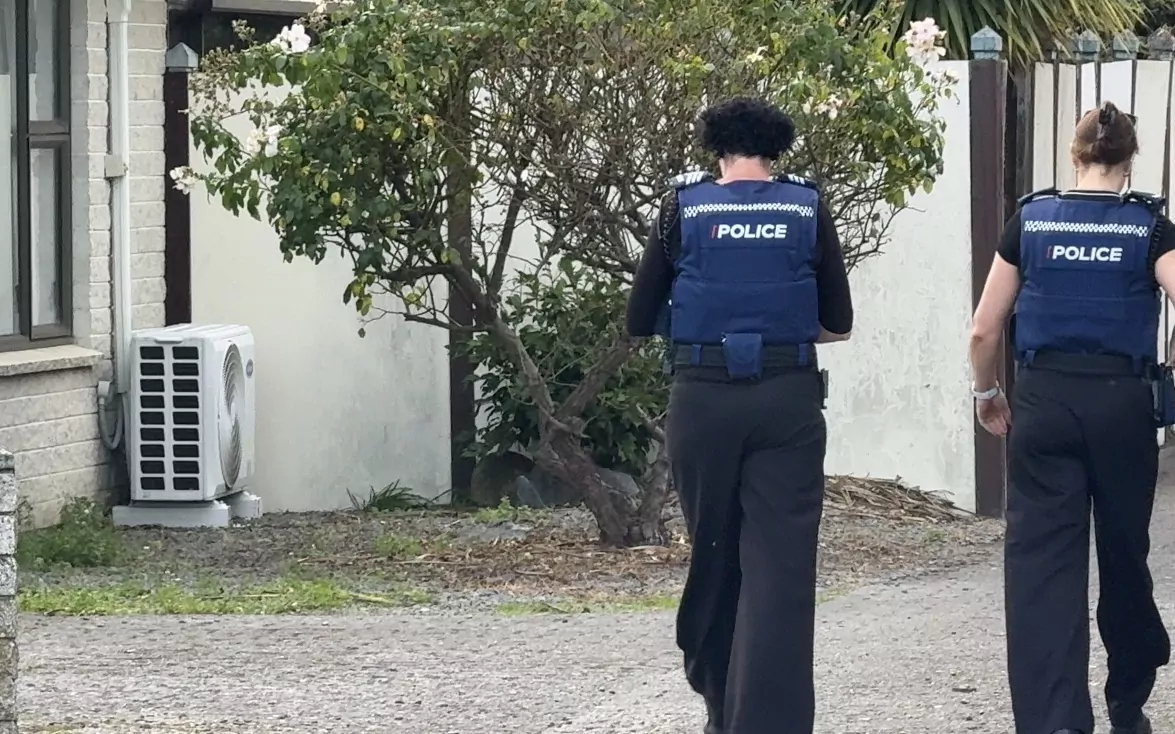
Escaped youth tracked by Eagle helicopter, found hiding in New Brighton
The young person who escaped from a youth justice facility in Rolleston has been located...
Proudly powered by VAST – NZ’s leading digital advertising billboard company. FIND OUT MORE

The young person who escaped from a youth justice facility in Rolleston has been located...
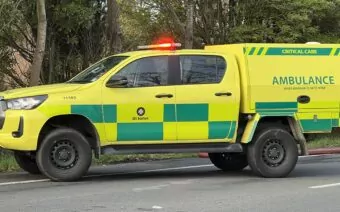
A person has been seriously injured on State Highway 75, Christchurch Akaroa Road. A police...

BodyFix Gym Christchurch in Phillipstown has taken out two major honours at the Exercise New...
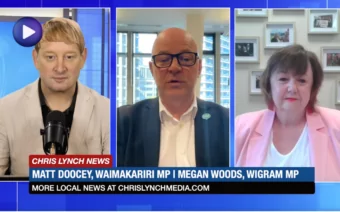
Local MPs have found areas of agreement on major Resource Management Act reforms, during a...
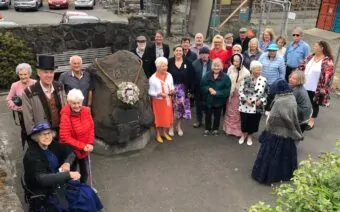
A series of public events have been organised across Christchurch and Lyttelton over the coming...
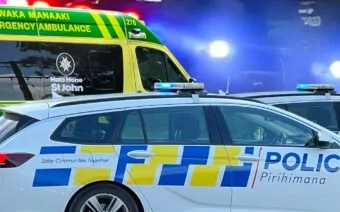
A woman was taken to hospital after a ‘water incident’ at Parakiore Recreation and Sport...
The Royal Commission of Inquiry into the Christchurch terrorist attack is being criticised for its decision to suppress some submissions.
In minutes released yesterday, Commissioners Sir William Young and Jacqui Caine said evidence and submissions by public sector chief executives and current and former ministers would be subject to non-publication orders for 30 years.
But on Thursday they said “The Royal Commission has written the report so that it can be made available to the public, in full, without the need for redaction.”
They said particular chief executives have important roles within the national security system and in the course of their exchanges (both in writing and in oral evidence to us) discussed in detail matters of acute national security sensitivity which preclude publication for the foreseeable future.
But the significance of these security considerations can be expected to dissipate over time.
ACT Justice and Firearms Law Reform spokesperson Nicole McKee
ACT Justice and Firearms Law Reform spokesperson Nicole McKee said while the Commission said a small number of senior Ministers past and present and senior public servants would not be at liberty to discuss their interviews because of confidentiality orders, it is surprising to learn that this stretches to complete suppression of their evidence.
McKee said all evidence other than that which might prejudice national security, or which could risk the safety of individuals involved in processes that arguably led to the foreign terrorist being able to undertake his attacks, should be made public.
“That is the standard of disclosure expected under the Official Information Act and the public should receive nothing less in this case.”
“The enormity of the events of 15 March 2019 and the need for the public to have trust in our institutions so that a similar violent act will never be repeated, is a valid case for the very highest levels of transparency.”