Escaped youth tracked by Eagle helicopter, found hiding in New Brighton
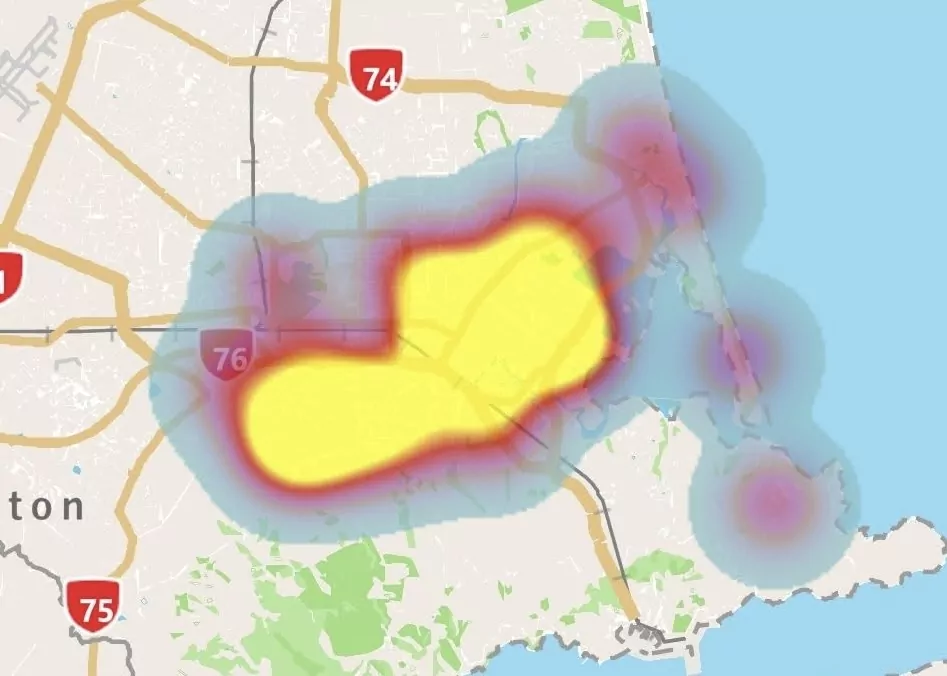
The young person who escaped from a youth justice facility in Rolleston has been located...


The young person who escaped from a youth justice facility in Rolleston has been located...

A person has been seriously injured on State Highway 75, Christchurch Akaroa Road. A police...

BodyFix Gym Christchurch in Phillipstown has taken out two major honours at the Exercise New...

Local MPs have found areas of agreement on major Resource Management Act reforms, during a...

A series of public events have been organised across Christchurch and Lyttelton over the coming...

A woman was taken to hospital after a ‘water incident’ at Parakiore Recreation and Sport...
Mental health experts are warning of the potential fallout from the Covid19 lockdown.
Psychological Medicine Department Head Professor Richard Porter from Otago University who is also a Consultant Psychiatrist with Canterbury District Health Board says there are multiple aspects which are likely to impact on mental health.
“For people with mental illness, the loss of a regular rhythm, both social and biological (such as sleeping and eating at regular times), is very important.”
“All mental health problems tend to be worse during stress. In addition, changes in rhythms, particularly sleep/wake cycle tends to cause relapses in mood disorders.
Professor Richard Porter says “our experience in Christchurch following the 2011 earthquake was that mental health services received fewer referrals and there were fewer inpatient admissions for a number of months following the earthquake.”
“This may have been because of an increased level of social cohesiveness, which for a period of time buffered the effects of stress. It remains to be seen whether such an effect will be seen during the COVID-19 crisis, since the social distancing measures will tend to prevent such social cohesiveness. There is some evidence that social cohesiveness has been possible via the media and social media though.”
However, Professor Richard Porter sas “we would expect that a return to a greater level of freedom and normality may also see the realisation for many that their situation has changed for the worse, and the cumulative effect of a loss of routine and social rhythm may result in many people requiring mental health care.”
Dr Chris Gale, Consultant Psychiatrist and Senior Lecturer, Dunedin School of Medicine, University of Otago says “if we were certain that we had eliminated the virus, we could concentrate on minimising the vulnerability of people who were either suffering from a mood disorder prior to the epidemic or have developed one during lockdown. But we are not yet certain of this.”
“As a society, we are now facing two groups of people who are vulnerable. Those who are at risk from the virus, and those whose health is at risk as a consequence of the lockdown. We need to be planning how to deal with both groups, and we may not know how successful our policies are until this time is over.
“We can consider actions from other countries or states, and consider what are the ‘least bad’ options moving forward. Involving the population, particularly the vulnerable, in this, in an open and transparent manner may help people deal with some fairly bleak choices, and accept the risks they are taking regarding their individual situation. One size will not fit all, and we need to allow for this.”