Escaped youth tracked by Eagle helicopter, found hiding in New Brighton
The young person who escaped from a youth justice facility in Rolleston has been located...


The young person who escaped from a youth justice facility in Rolleston has been located...

A person has been seriously injured on State Highway 75, Christchurch Akaroa Road. A police...

BodyFix Gym Christchurch in Phillipstown has taken out two major honours at the Exercise New...

Local MPs have found areas of agreement on major Resource Management Act reforms, during a...

A series of public events have been organised across Christchurch and Lyttelton over the coming...

A woman was taken to hospital after a ‘water incident’ at Parakiore Recreation and Sport...

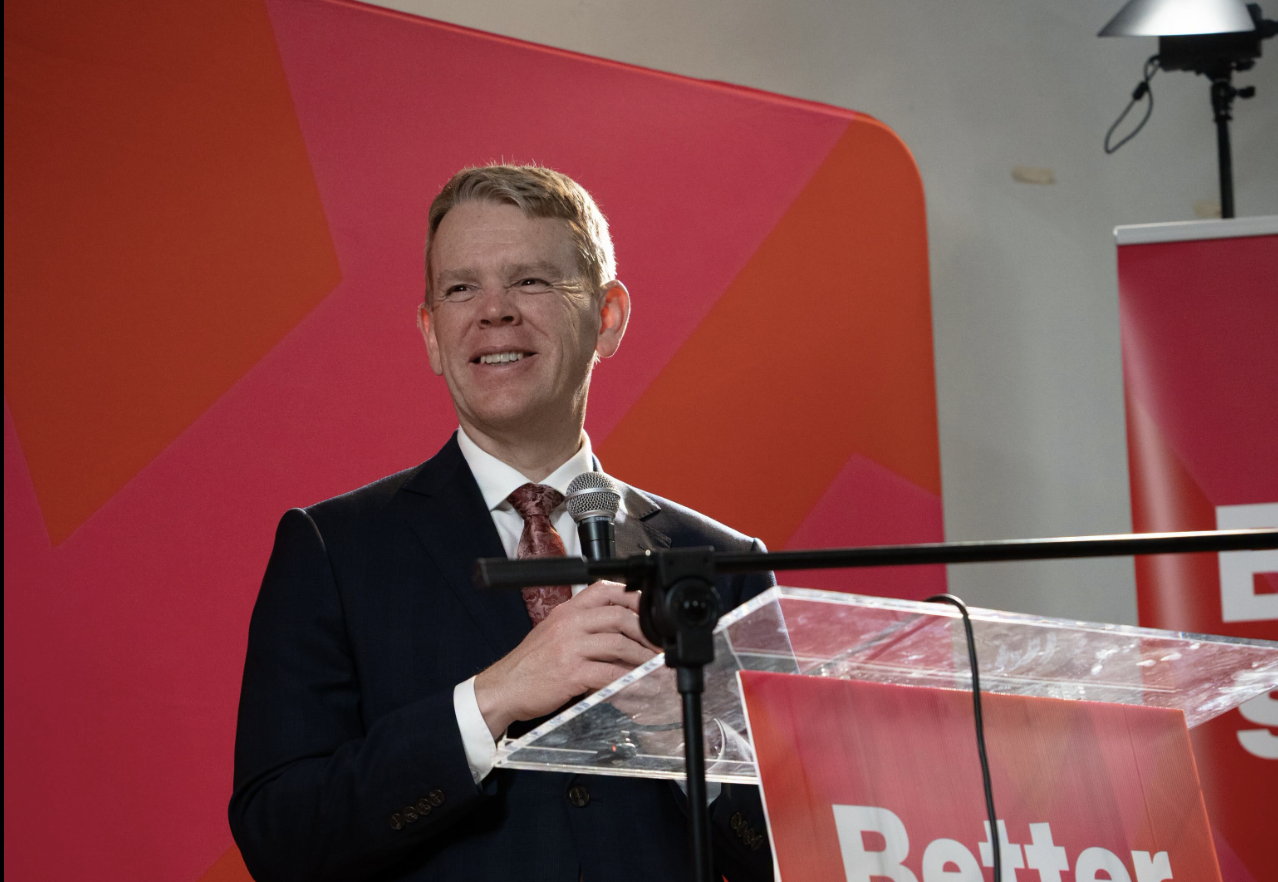
Payments that clear in seconds at any hour and easier switching between providers are among changes Labour is promising, as it pledges to open New Zealand’s banking system to more competition.
The party said the changes, including a new licensing regime for digital payment providers, would make it easier for smaller financial providers to take on the country’s largest banks and give customers more choice.
The cost of banking was part of the wider cost of living debate, Labour leader Chris Hipkins said.
“Almost every Kiwi relies on a bank to get paid, pay the bills, buy a home or grow a business,” Hipkins said.
“Four big banks dominate our banking sector. When there isn’t enough competition, customers have less choice and banks have less reason to offer them a better deal.”
The four major banks are ANZ, ASB, BNZ and Westpac. Between them they held about 85 to 90 percent of registered bank assets, Labour Commerce spokesperson Arena Williams said.
Under the policy, Labour would introduce a new e-money licence for businesses offering services such as digital wallets and payments, with regulation based on the services they provide and the risks involved.
Smaller providers would also be guaranteed fair access to essential banking and payments infrastructure, with Labour prepared to step in if the major banks did not provide it, Williams said.
“Technology has changed what’s possible. You shouldn’t have to rely on one of the big banks for every financial service you use, and new providers with a better offer should have a fair chance to win your business.”
Labour is promising a secure real-time payments system operating around the clock by 2030.
“Kiwis should be able to move their own money when they need to, 24 hours a day, seven days a week, and if you find a better deal switching providers shouldn’t be a hassle,” Williams said.
The party would also create a clearer pathway for emerging financial providers to grow into banking competitors, and make government-verified identification easier to use when customers sign up with or switch between providers.
Kiwibank would remain 100 percent New Zealand owned under the policy.
Kiwibank was an important challenger in the market, but further competition was needed across the banking sector, Williams said.